
Manual transmission is the most common gearbox in India and for good reason — it gives you the best mileage, lowest purchase price, and lowest maintenance cost. You control when to shift gears using a clutch pedal and gear lever. While it requires more skill, experienced drivers often prefer it for the control and engagement it offers.
In city traffic, frequent gear changes can be tiring. But on highways, manual transmission lets you extract maximum efficiency from the engine. If you drive primarily on highways or are a seasoned driver, manual is hard to beat on value.
- Best fuel efficiency
- Lowest purchase price
- Cheapest to repair and maintain
- Full driver control
- Better performance feel
- Available in almost every car
- Tiring in heavy city traffic
- Requires skill to drive smoothly
- Not beginner-friendly
- Left leg fatigue on long commutes
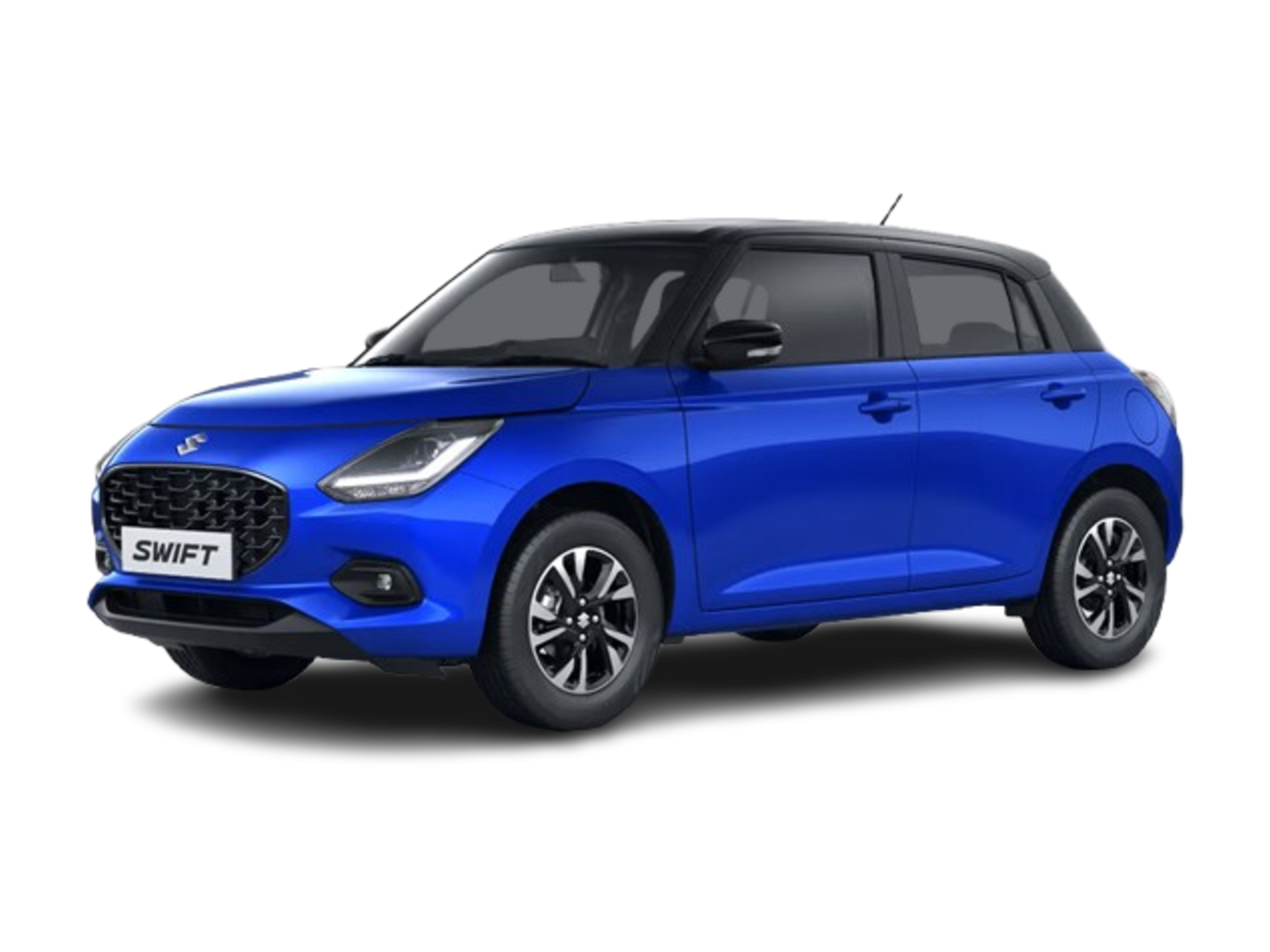
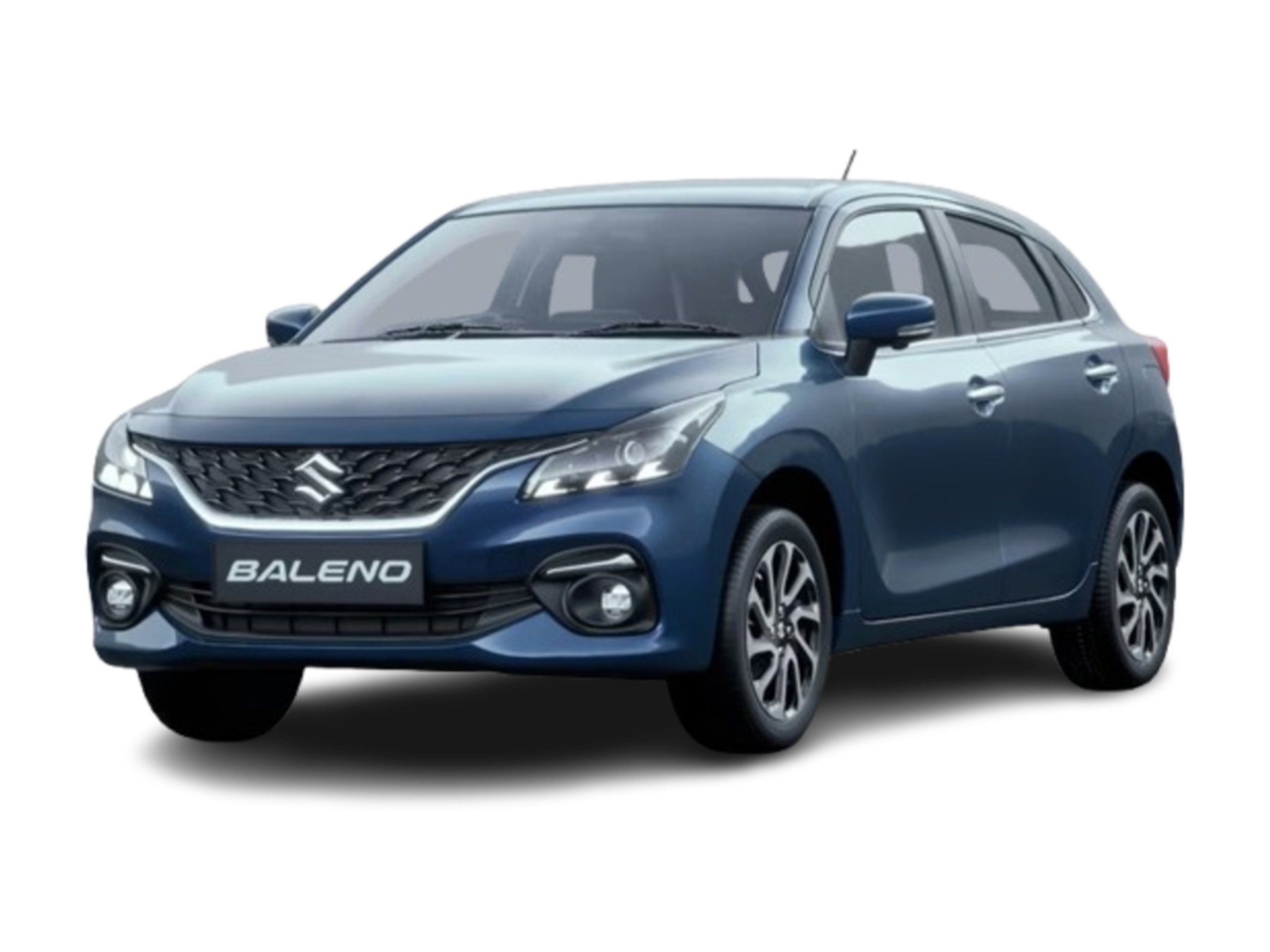

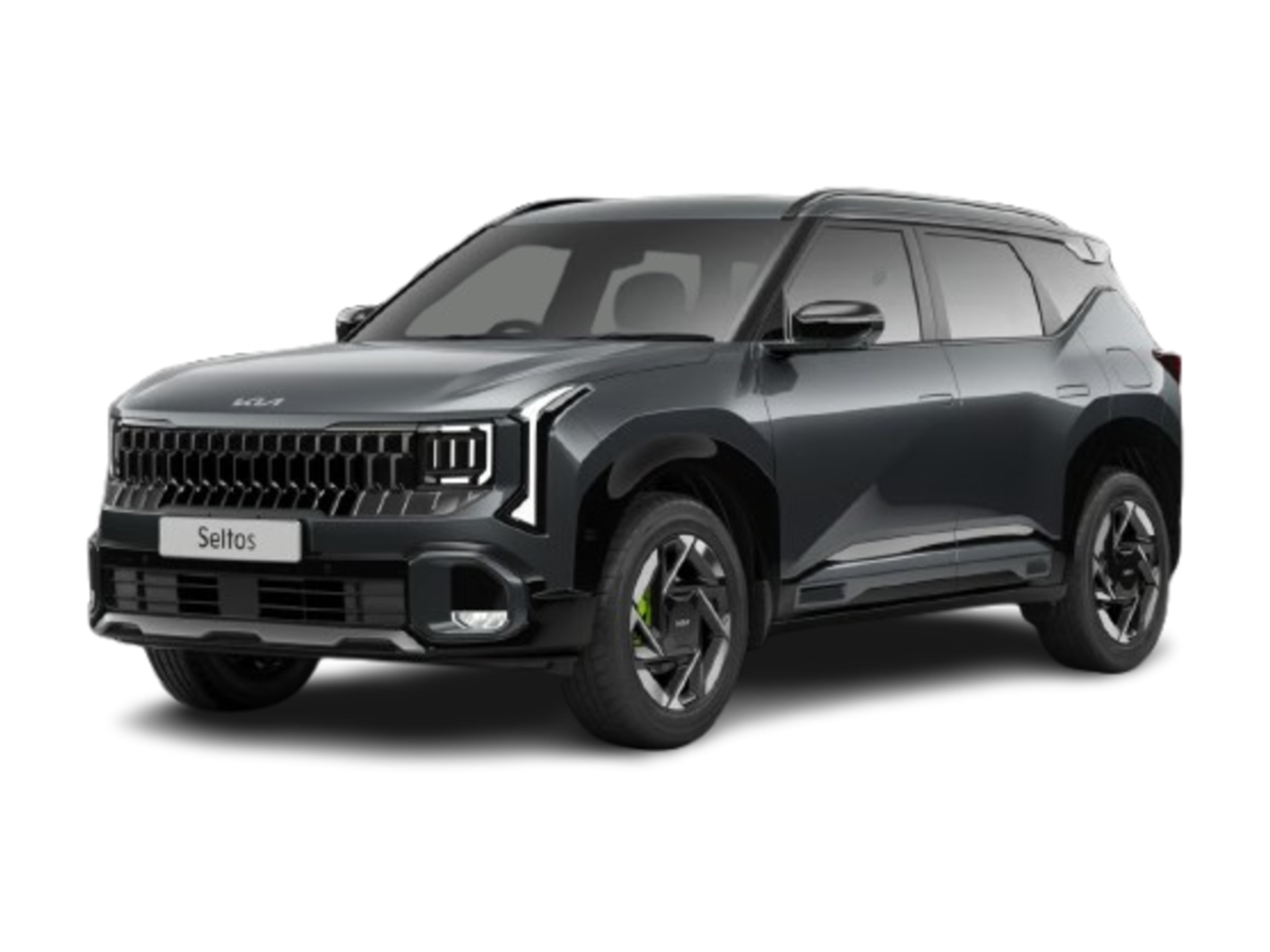
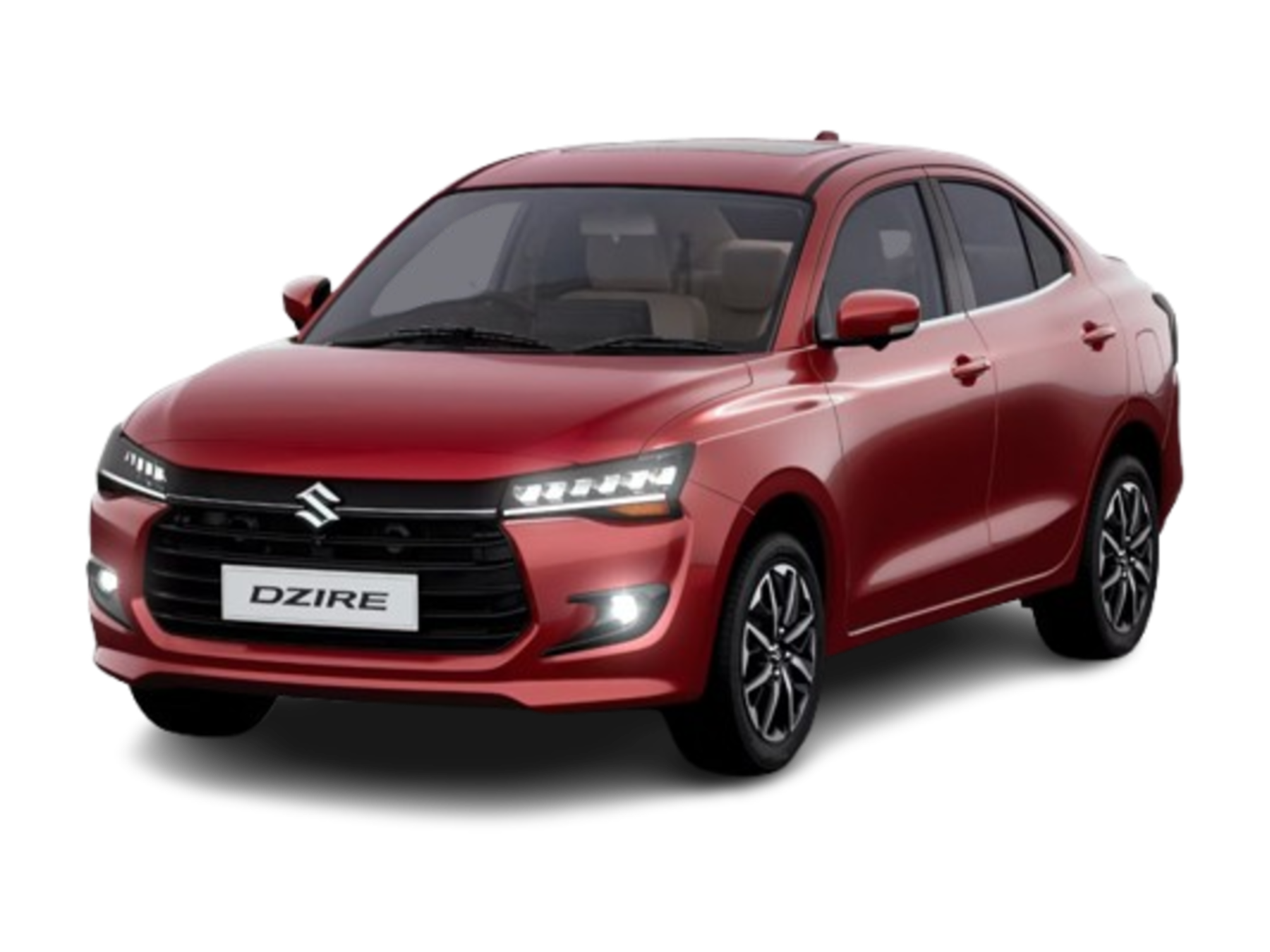
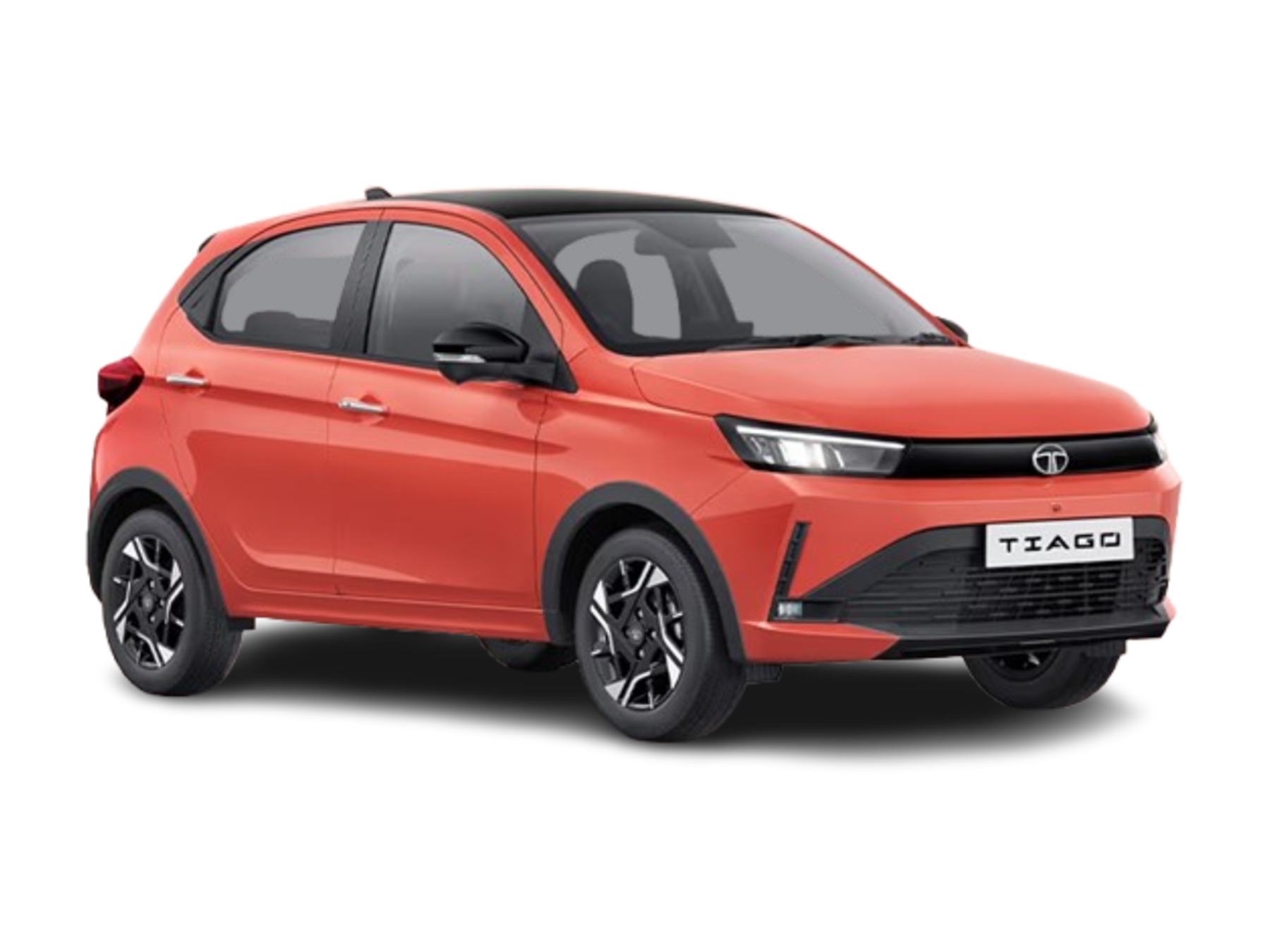

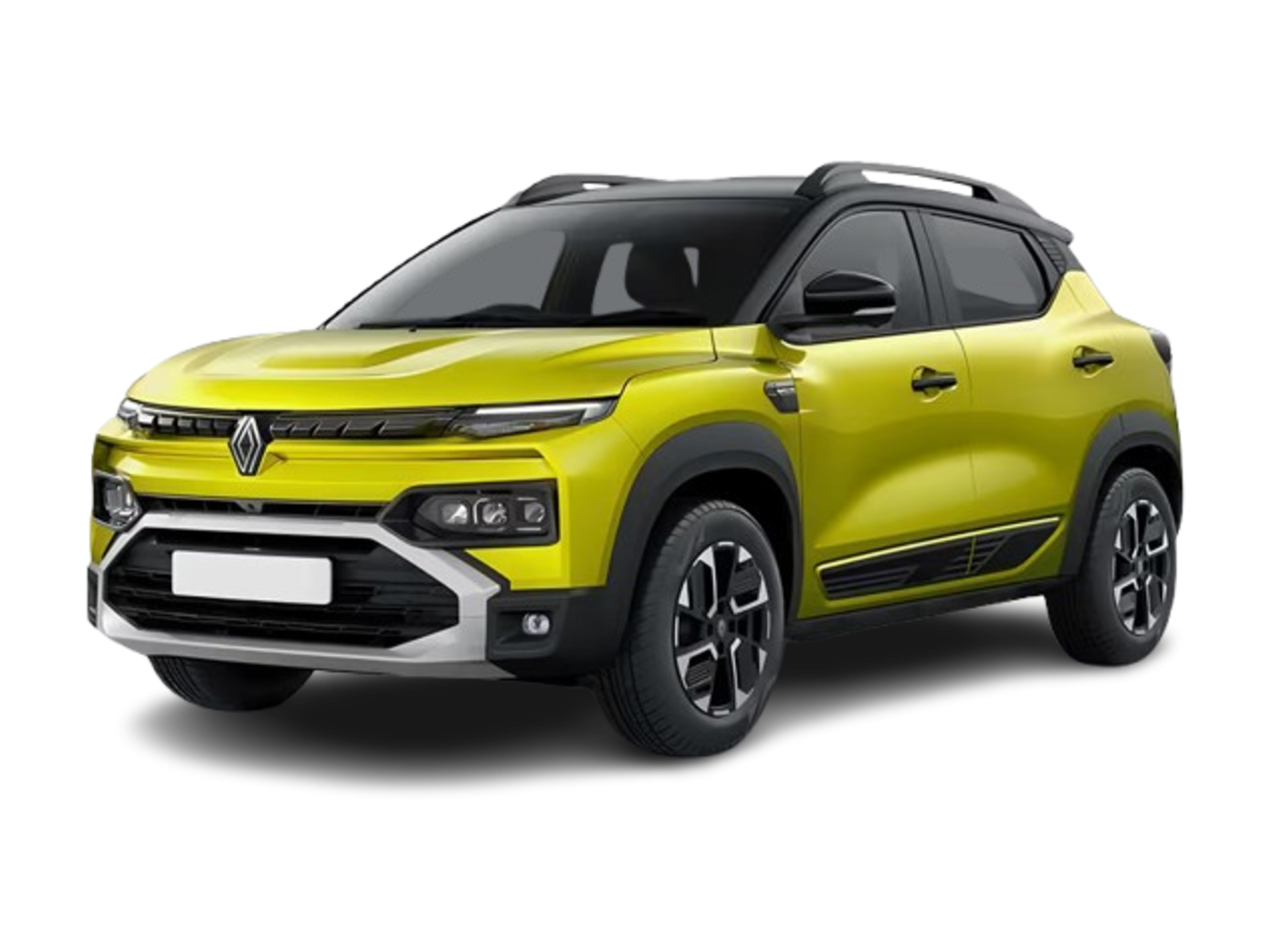

AMT is essentially a manual gearbox with a computer controlling the clutch and gear shifts automatically. It is the most affordable way to get an automatic car in India. Maruti Suzuki popularised AMT in India and it is available in many budget cars.
The main drawback of AMT is the noticeable "jerk" or "head nod" during gear changes, especially at low speeds. In bumper-to-bumper city traffic, this can become annoying. However, on open roads or highways, AMT performs reasonably well. It is best thought of as a "lazy driver's manual" rather than a true automatic.
- Cheapest automatic option
- Good fuel efficiency
- No clutch pedal
- Low maintenance cost
- Available in budget cars
- Jerky gear changes at low speed
- Slower shifts than other automatics
- Not smooth in stop-go traffic
- Not sporty or exciting to drive
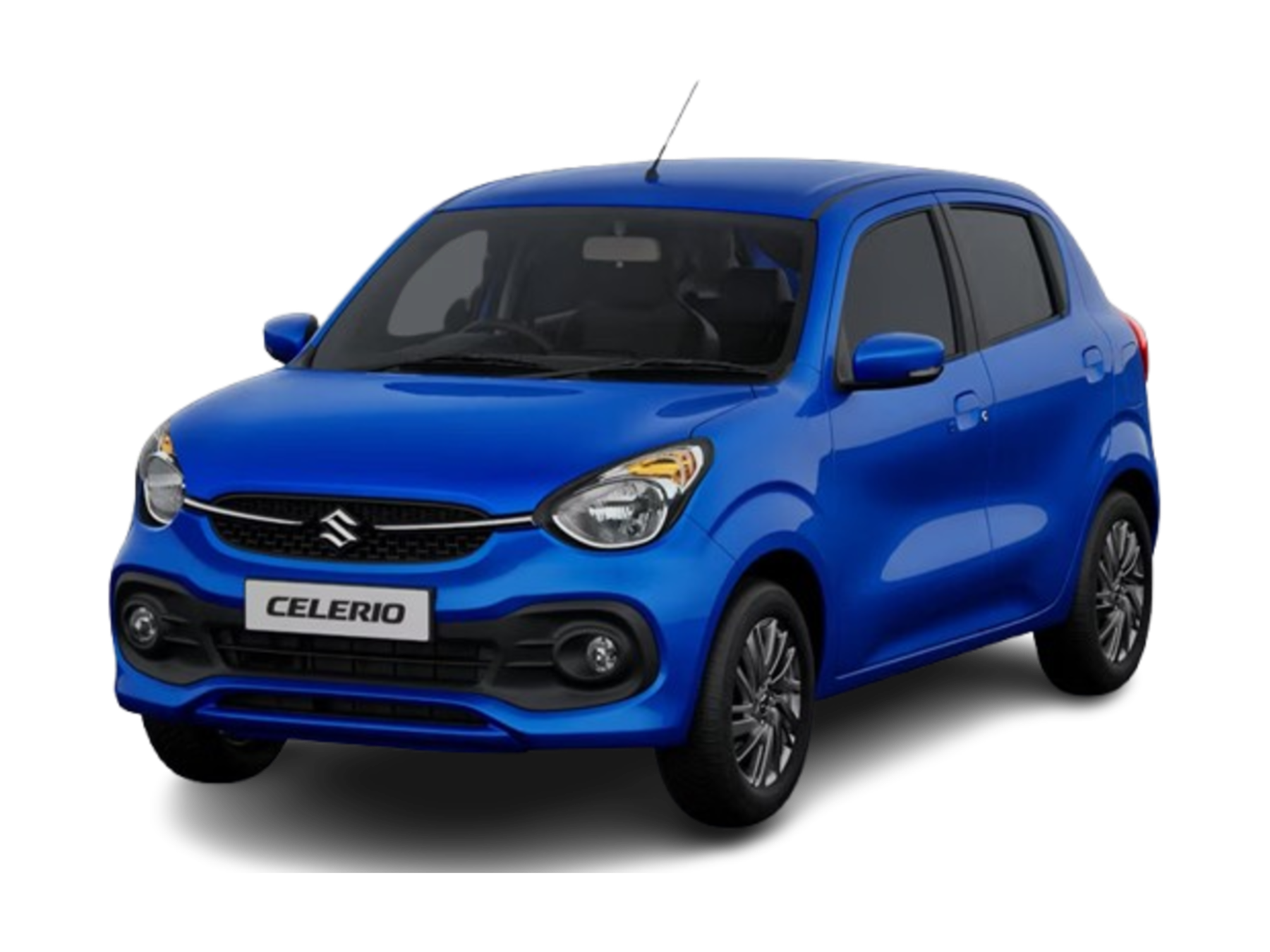
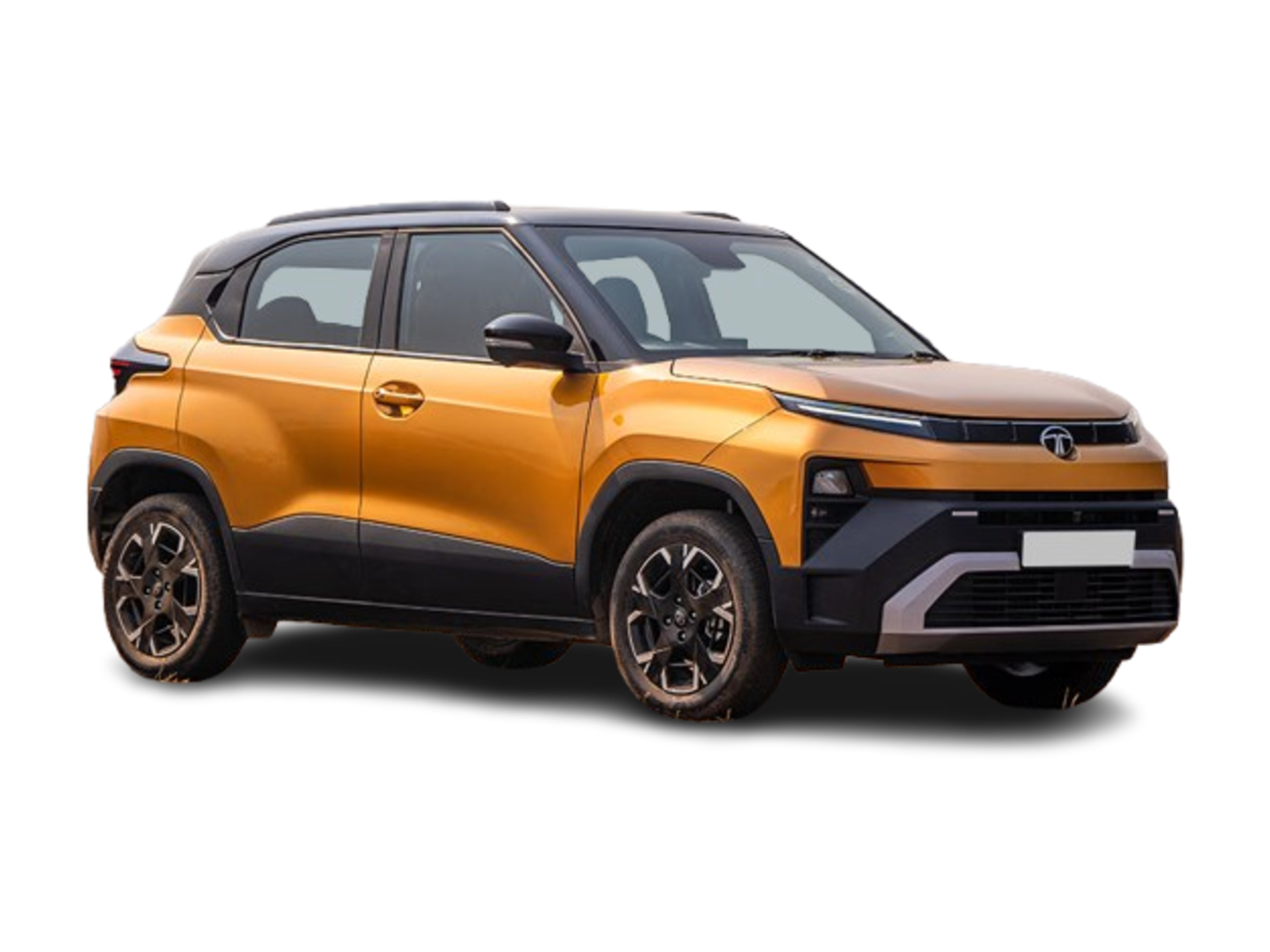
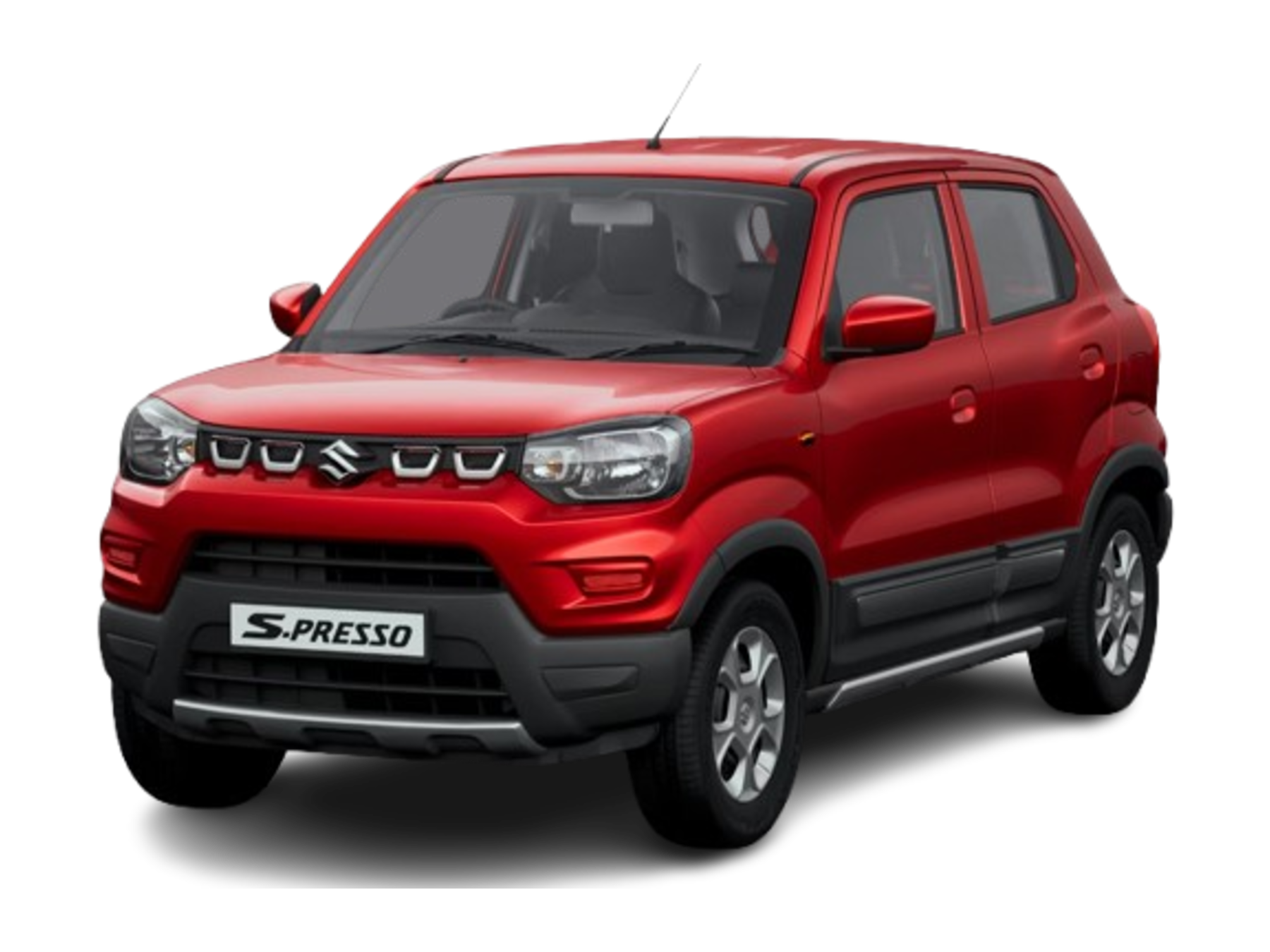
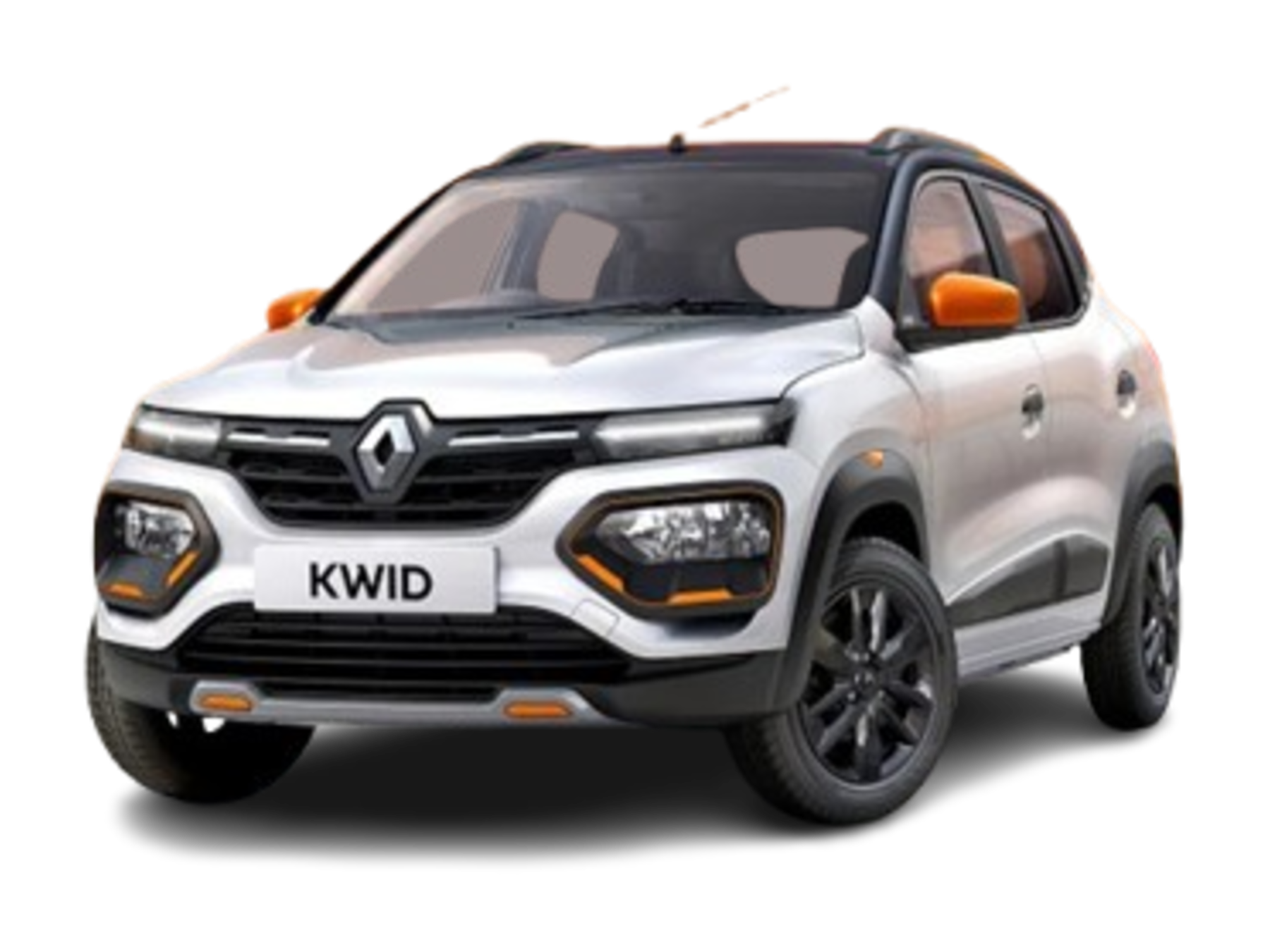

CVT uses a belt-and-pulley system instead of fixed gears, allowing the engine to operate at its most efficient RPM at all times. The result is the smoothest acceleration you will find in any automatic — there are no gear changes, just a seamless pull of power. CVT is extremely popular in Honda and Toyota cars.
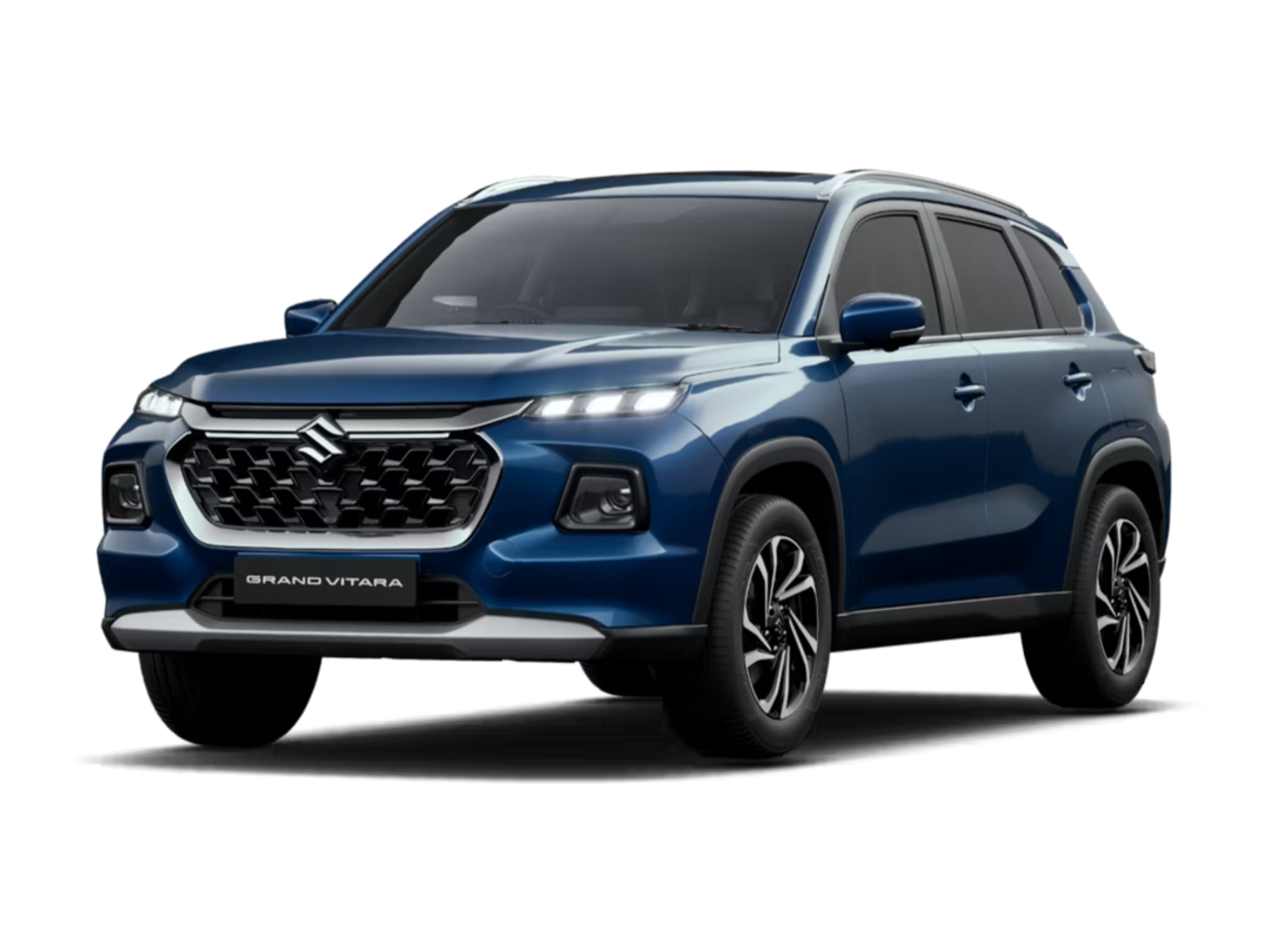
The only criticism of CVT is a "rubber band effect" — when you accelerate hard, the engine revs high while the car takes a moment to catch up. This is felt more in older CVTs. Modern CVTs in Honda City, Maruti Grand Vitara and Hyundai Verna are much better. CVT excels in city traffic and offers great mileage.
- Smoothest automatic experience
- Excellent fuel efficiency
- No gear shift jerk
- Great for city traffic
- Comfortable on long drives
- Rubber band feel on hard acceleration
- Not sporty or fun to drive
- Higher repair cost if belt fails
- Not ideal for towing or off-road

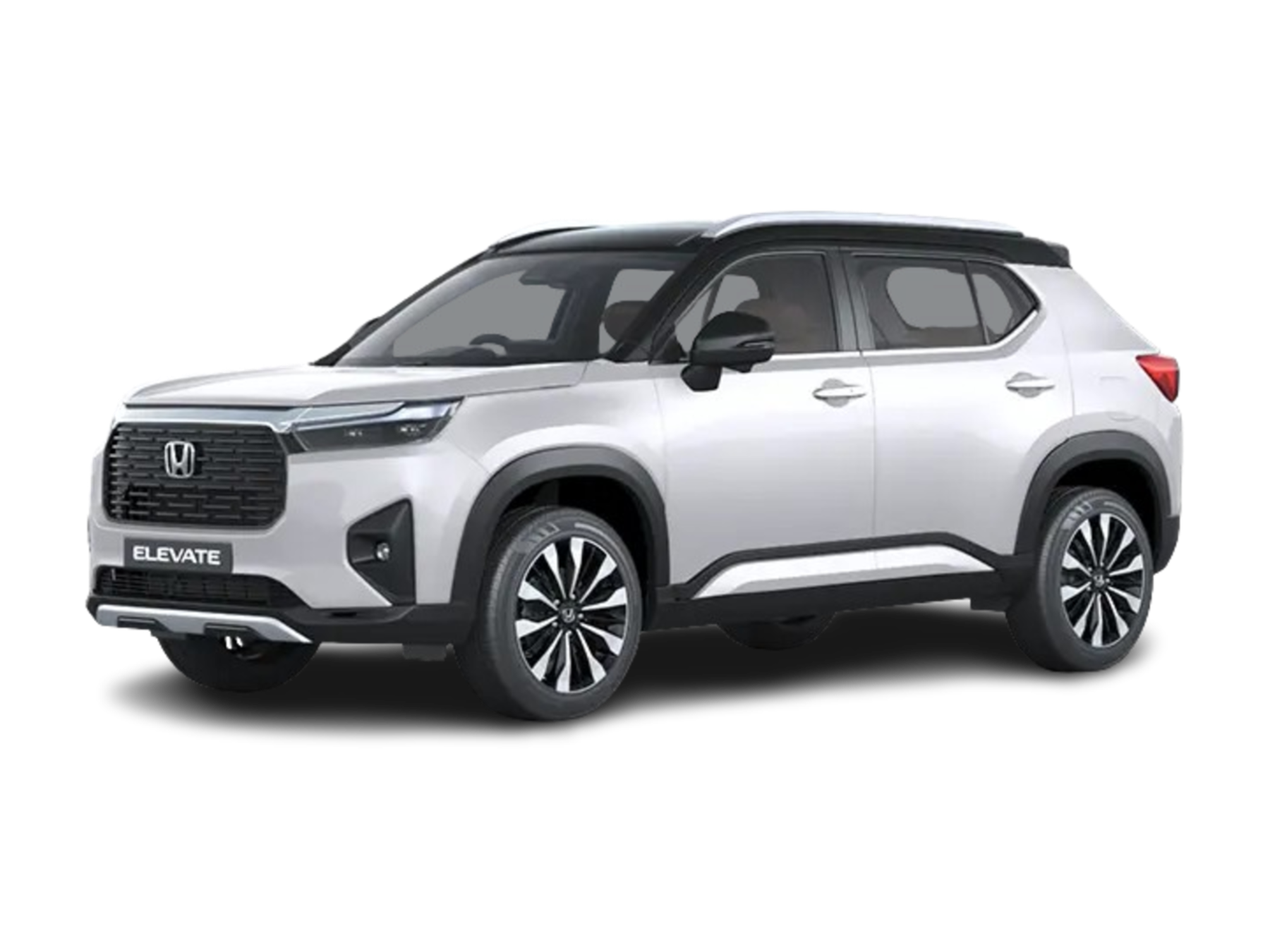


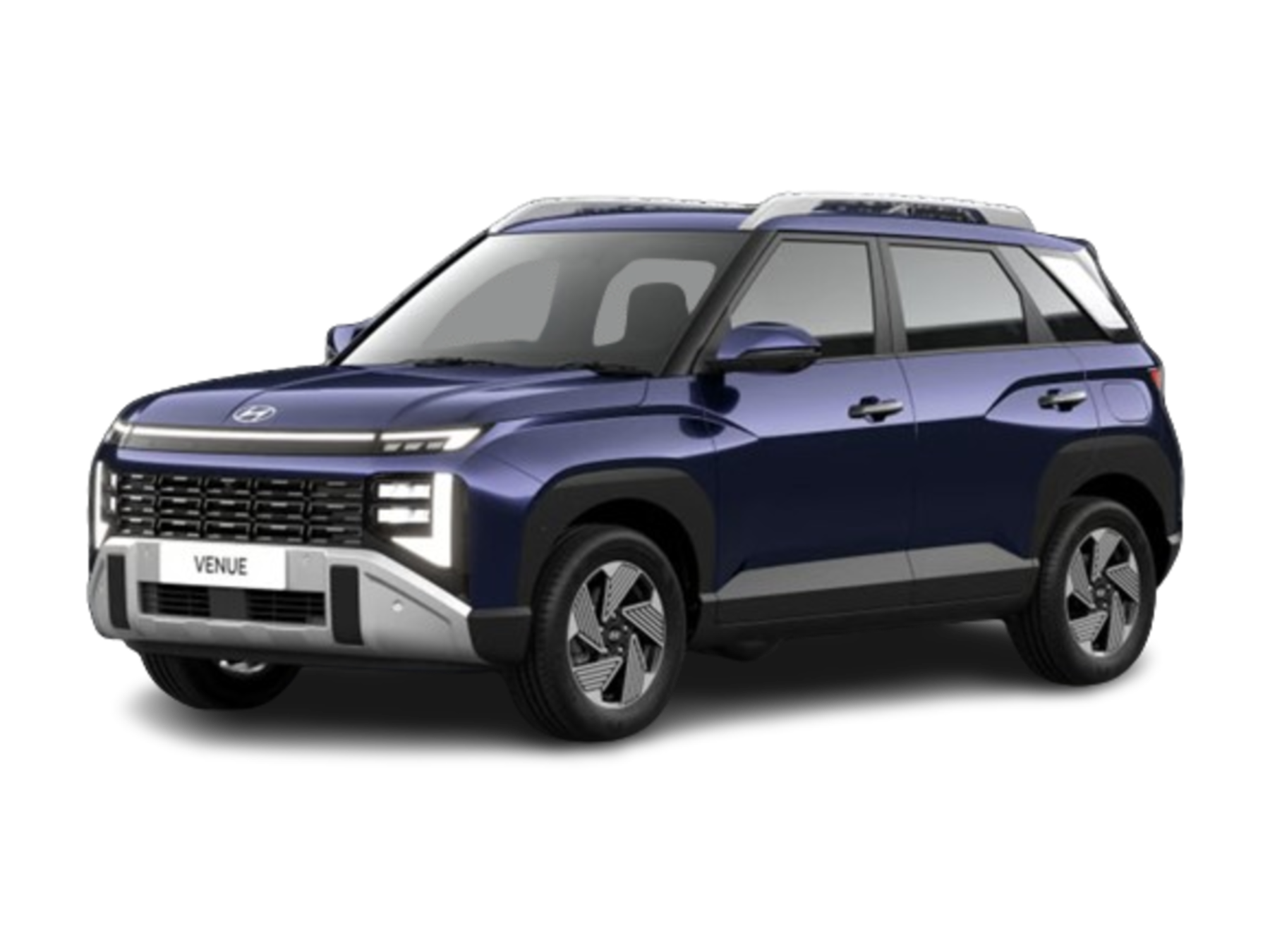

DCT uses two clutches — one for odd gears and one for even gears — allowing the next gear to be pre-selected. This means gear changes happen in milliseconds, making DCT the most performance-oriented automatic available. Volkswagen, Skoda and Hyundai N Line cars use DCT extensively in India.
The weakness of DCT is at very low speeds in bumper-to-bumper traffic, where it can feel hesitant or jerky — similar to AMT but less pronounced. On highways and open roads, DCT is brilliant and offers both performance and reasonable fuel efficiency. If you enjoy driving, DCT will make every drive more engaging.
- Fastest gear changes
- Sporty, engaging driving experience
- Good fuel efficiency at highway speeds
- Available in hot hatch variants
- Paddle shifters in some cars
- Jerky in slow city traffic
- Higher maintenance cost
- Can overheat in extreme traffic
- Not as smooth as CVT or AT in city
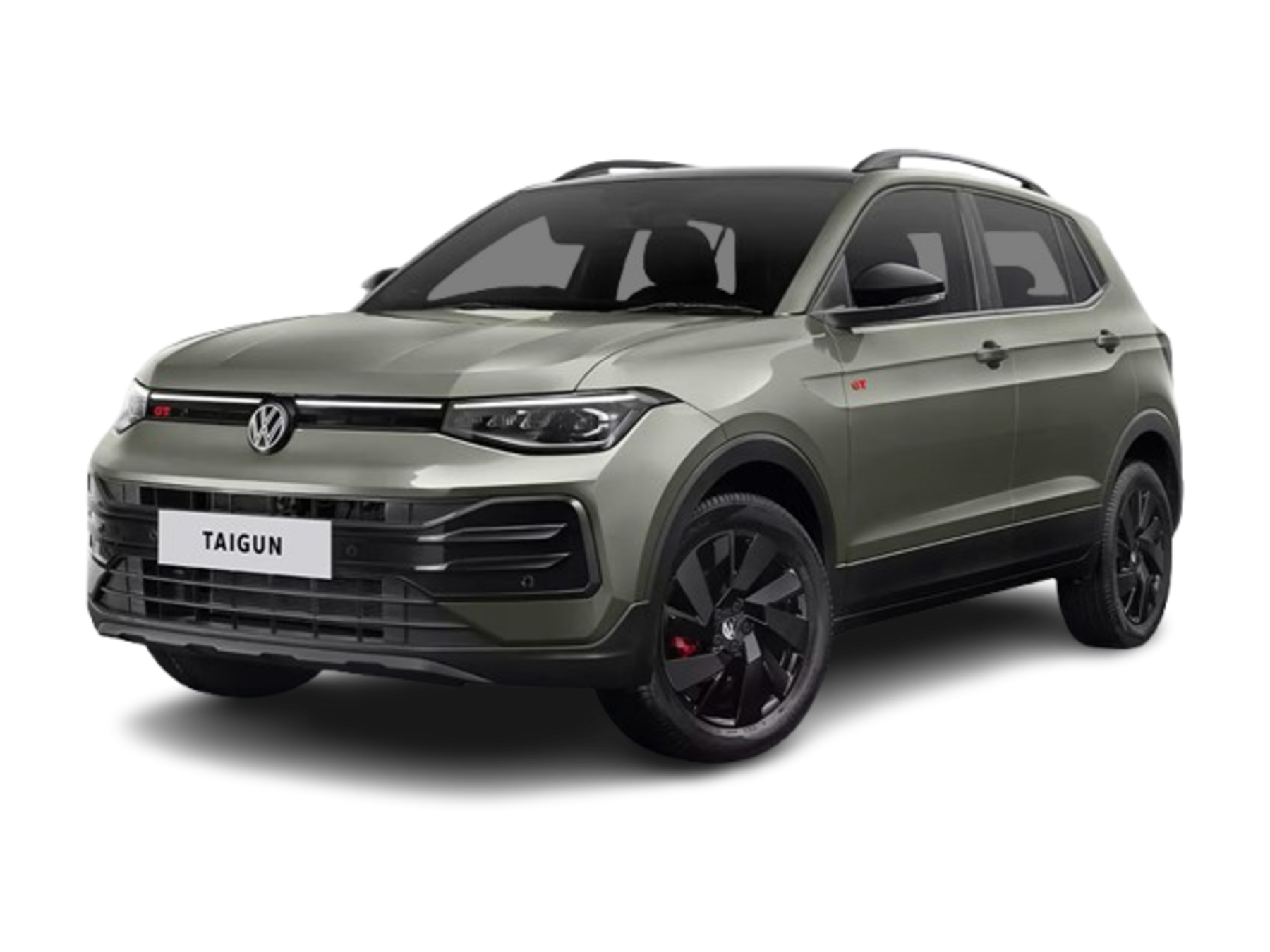
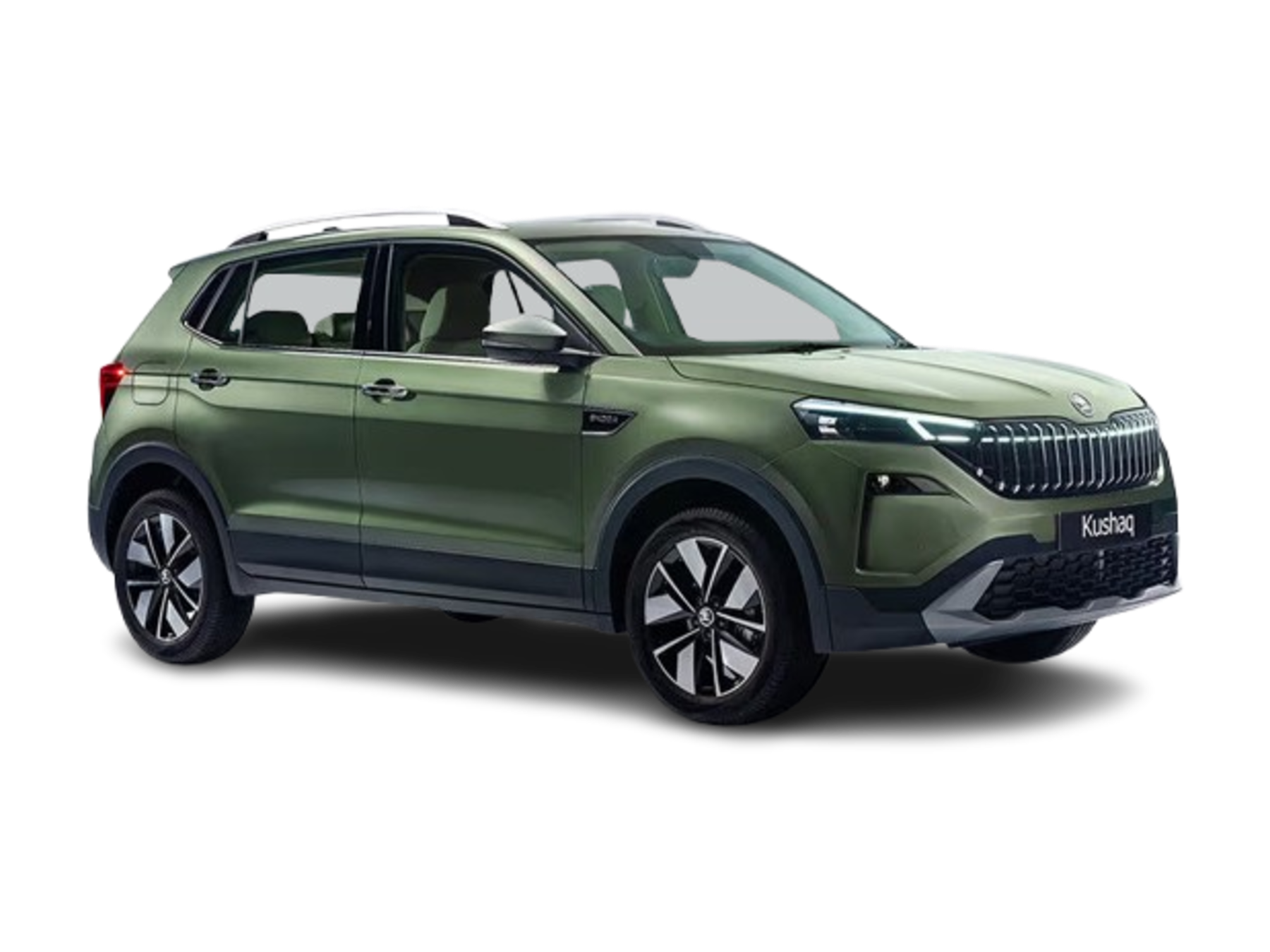

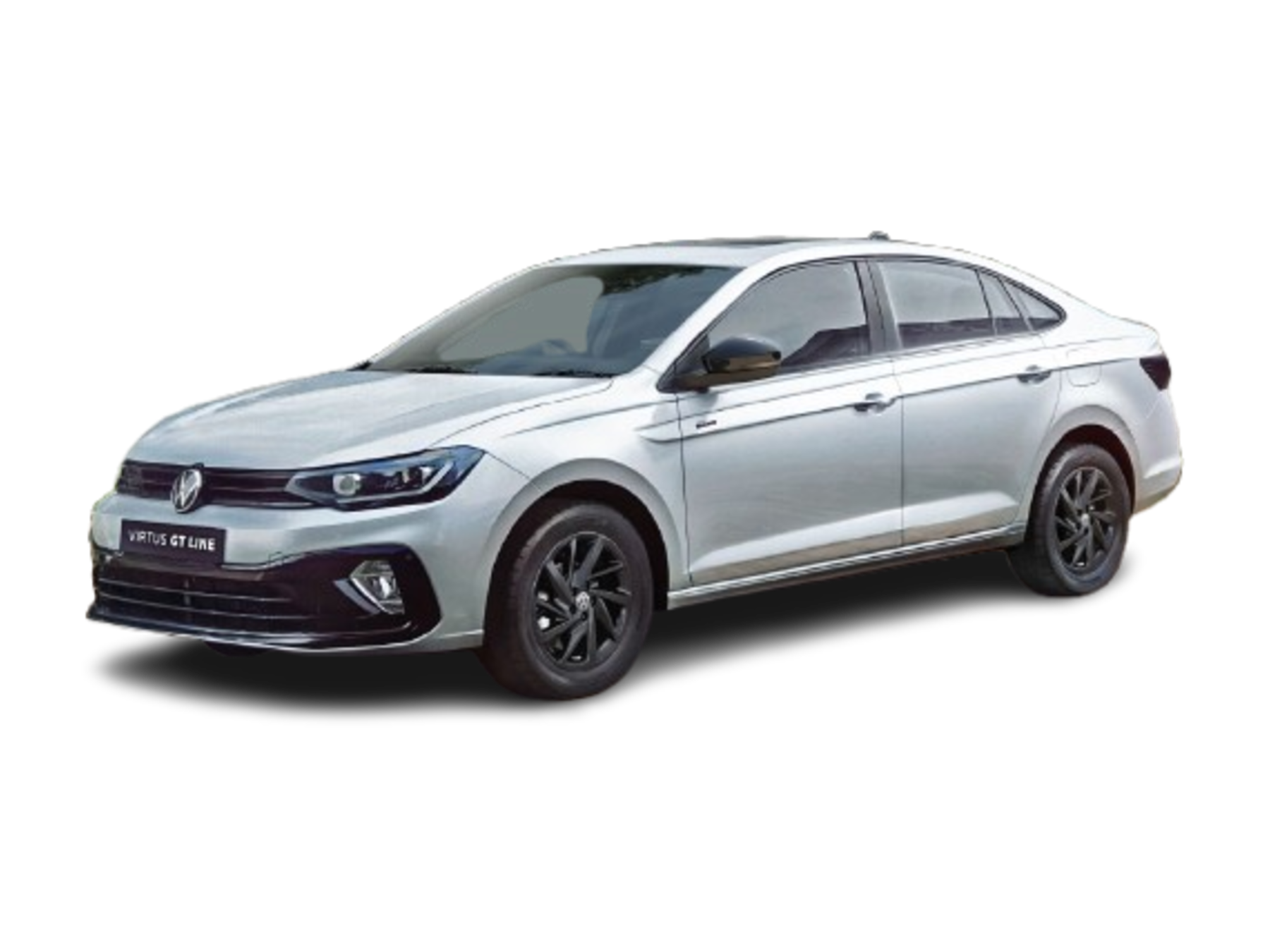

The traditional automatic — Torque Converter AT — uses a fluid coupling (torque converter) between the engine and gearbox. It is the most refined, comfortable and reliable automatic available. This is what most SUVs, luxury cars and family vehicles use. It handles city traffic and highway driving equally well with zero jerk.
AT is the smoothest option after CVT, but unlike CVT it handles performance and towing better. Modern 6-speed and 8-speed torque converter ATs are very fuel-efficient too. If you want a no-compromise automatic experience — especially for a family SUV — Torque Converter AT is the gold standard.
- Extremely smooth in all conditions
- Great for city and highway both
- Very reliable and durable
- Handles towing well
- Best for senior citizens
- Available in larger SUVs
- Higher purchase price
- Slightly lower mileage vs CVT
- Heavier transmission
- Repair can be expensive

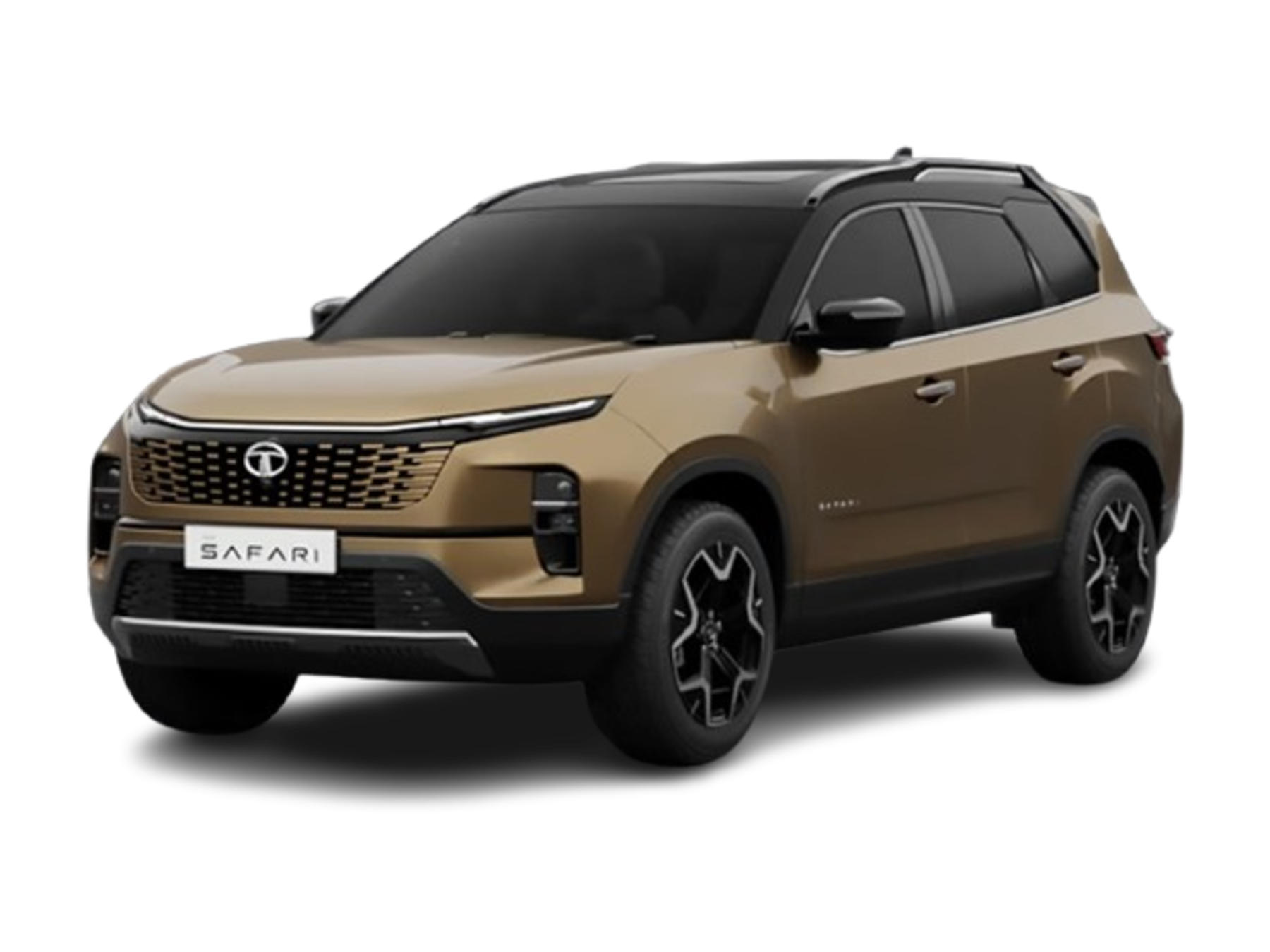

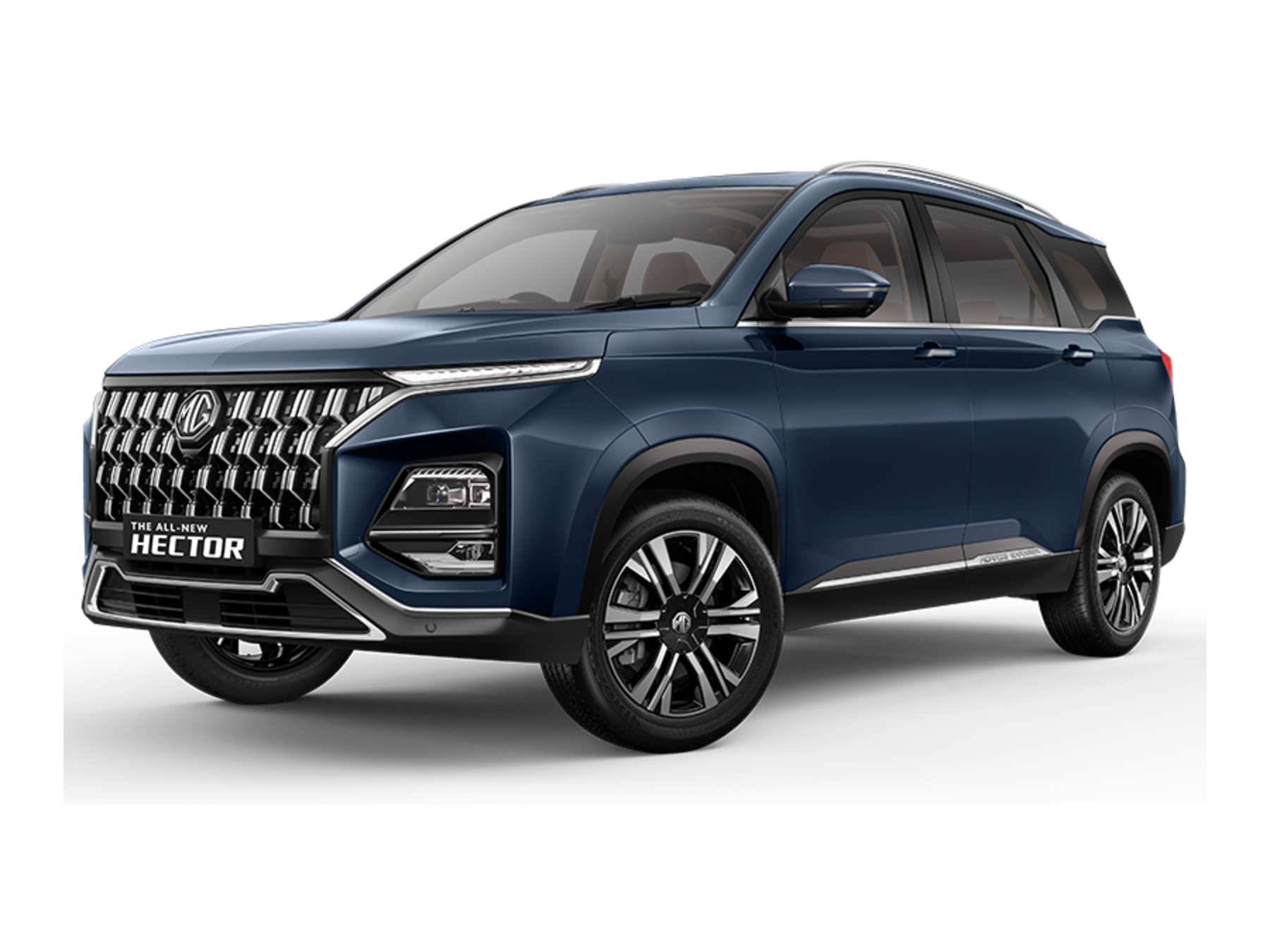

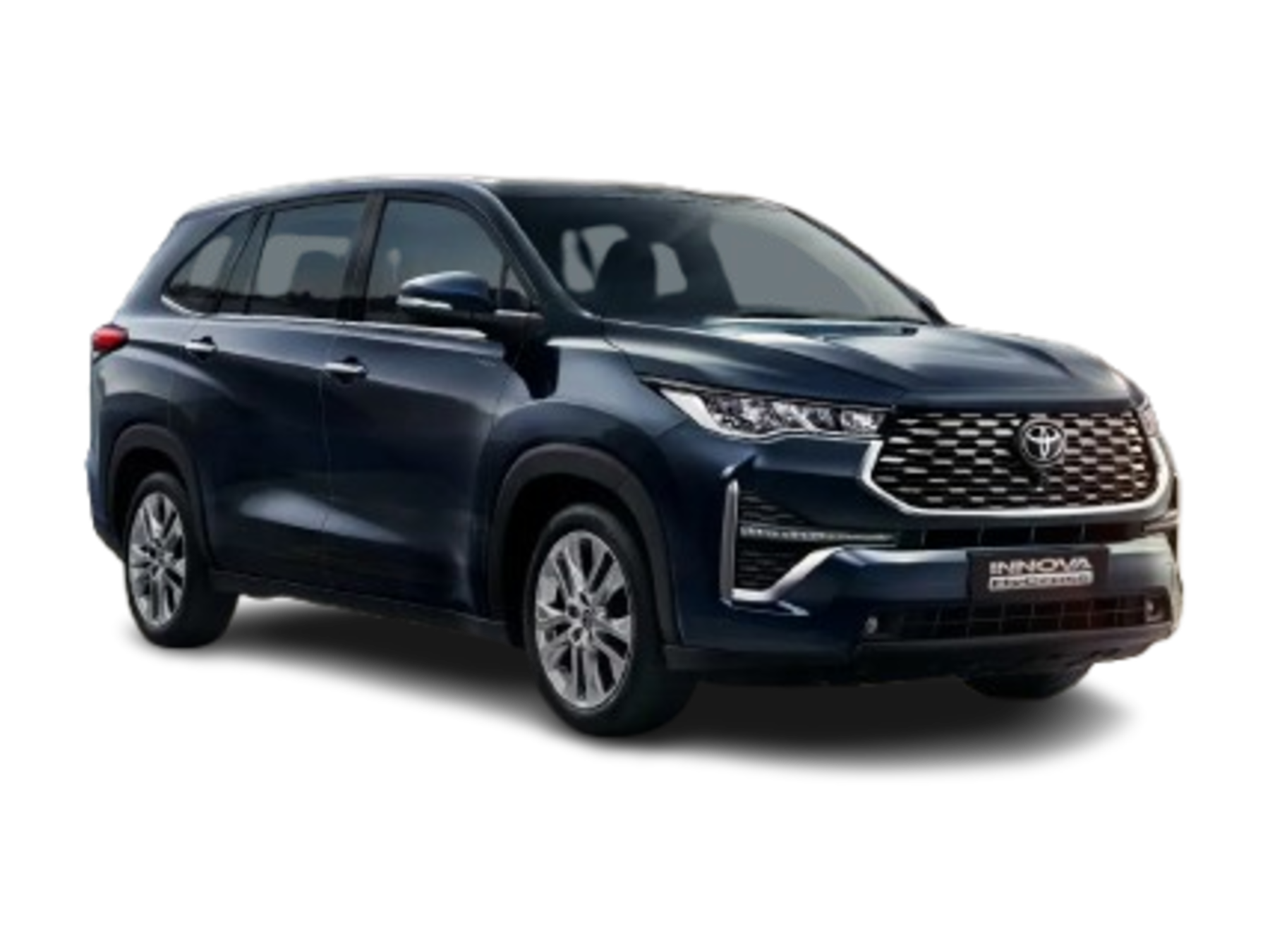

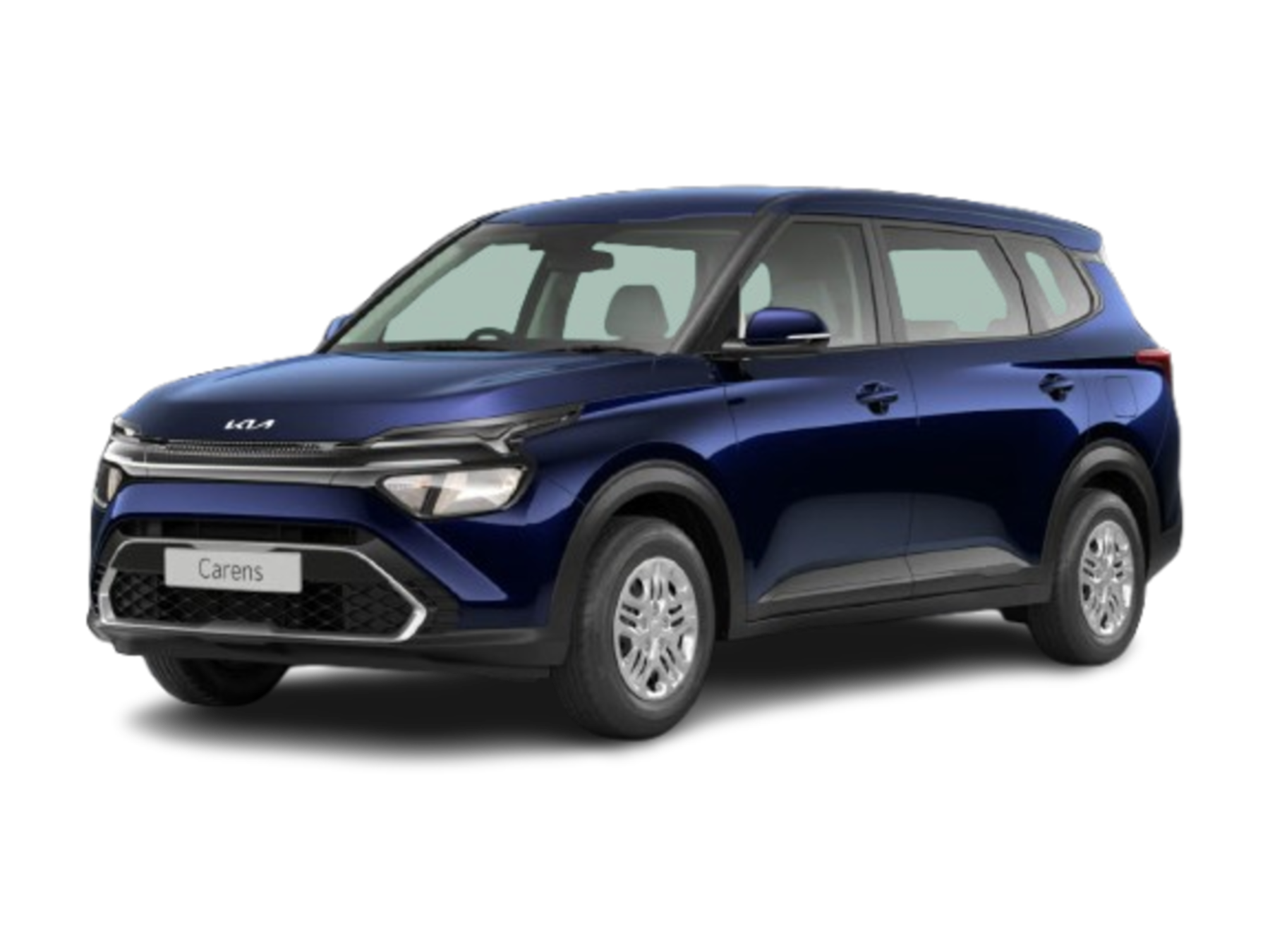
Quick Comparison — All 5 Gearbox Types
| Type | Smoothness | Mileage | Price Premium | City Traffic | Highway | Best For |
|---|---|---|---|---|---|---|
| Manual (MT) | Driver-dependent | Best | None | Tiring | Excellent | Budget / Highway |
| AMT | Jerky | Good | +₹50k–80k | Average | Good | Budget Auto |
| CVT | Smoothest | Excellent | +₹1–1.5L | Excellent | Good | City / Comfort |
| DCT | Sporty | Good | +₹1–2L | Slightly jerky | Excellent | Enthusiasts |
| AT (Torque Converter) | Very Smooth | Average | +₹1.5–2.5L | Excellent | Excellent | Family / SUV |
Frequently Asked Questions
Now Find Your Perfect Car on SahiCar.in
Our smart quiz uses your transmission preference to recommend the best new cars for you in India — free, unbiased and instant.
Take the Free Car Quiz →