Bharat NCAP (BNCAP) launched in 2023 and crash-tests cars sold in India, publishing two separate scores: Adult Occupant Protection and Child Occupant Protection, each rated out of 5 stars. Tests include a frontal offset crash, a side barrier impact and a side pole impact. Crucially, the car tested is a specific variant — usually the base or a mid-spec car — so a 5-star rating applies to that tested configuration, not automatically to every trim.
This is the single most important safety number, because structure is the one thing you cannot add later. Airbags, sensors and cameras all assume the passenger cell holds its shape in a crash. If the shell collapses, nothing else in the car can save you. A 5-star body with six airbags is meaningfully safer than a 2-star body with ten.
- How well the passenger cell survives impact
- How effectively restraints protect occupants
- Independently verified, not manufacturer-claimed
- Tested on Indian-market spec cars
- Nothing about crash avoidance (that's ADAS)
- May not apply to every variant of that model
- Doesn't measure pedestrian safety
- Older cars may be untested rather than unsafe
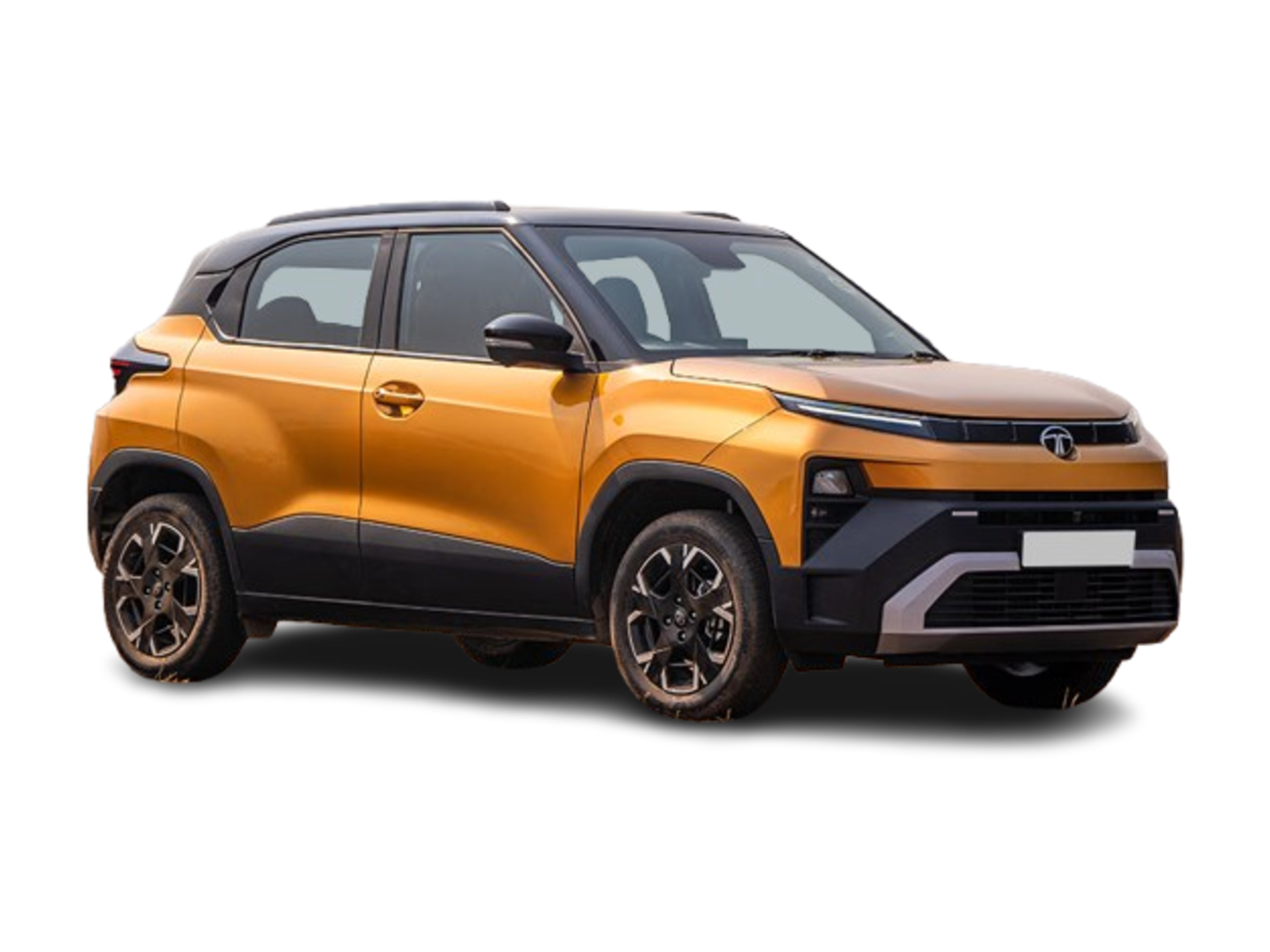
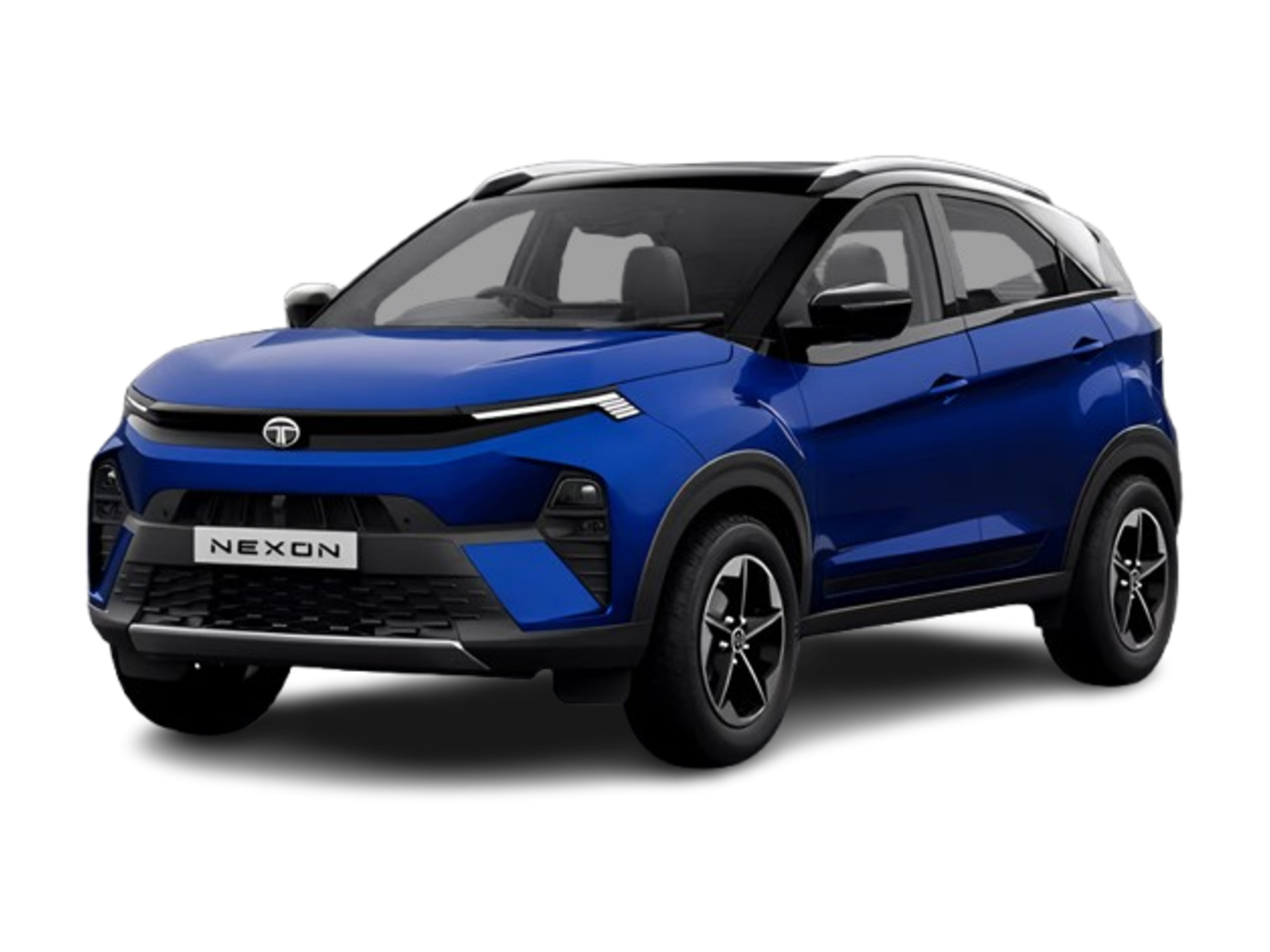
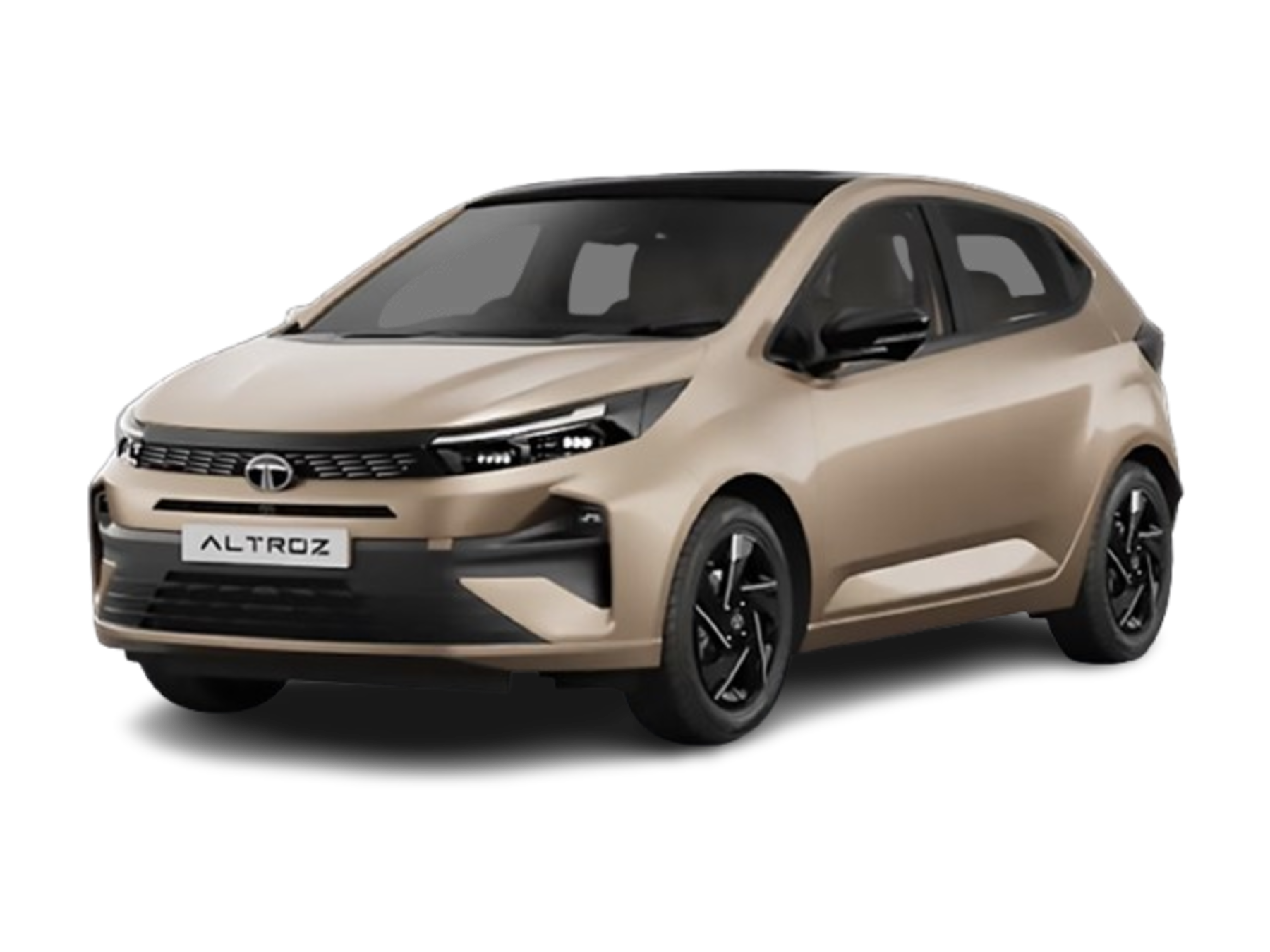
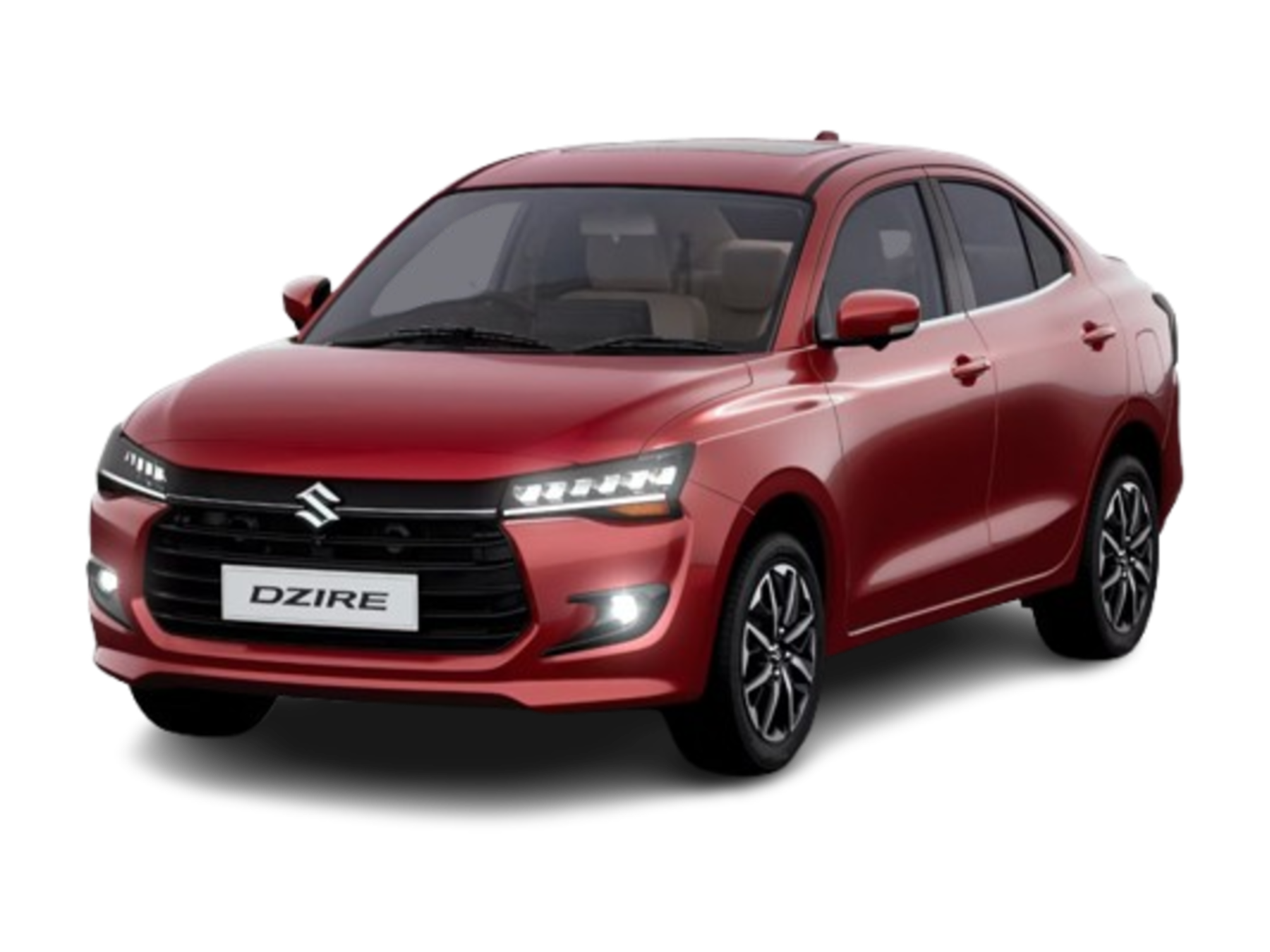
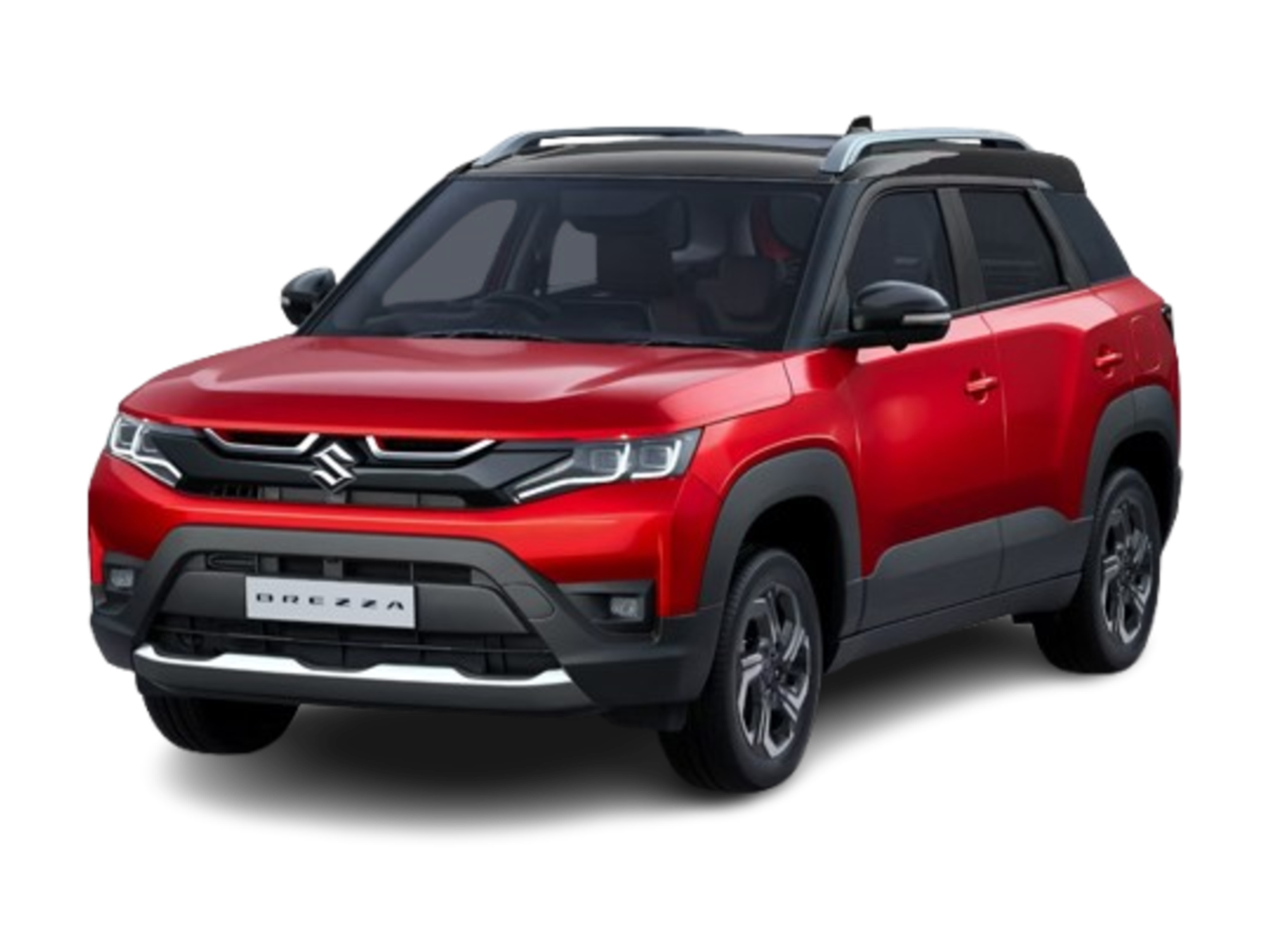
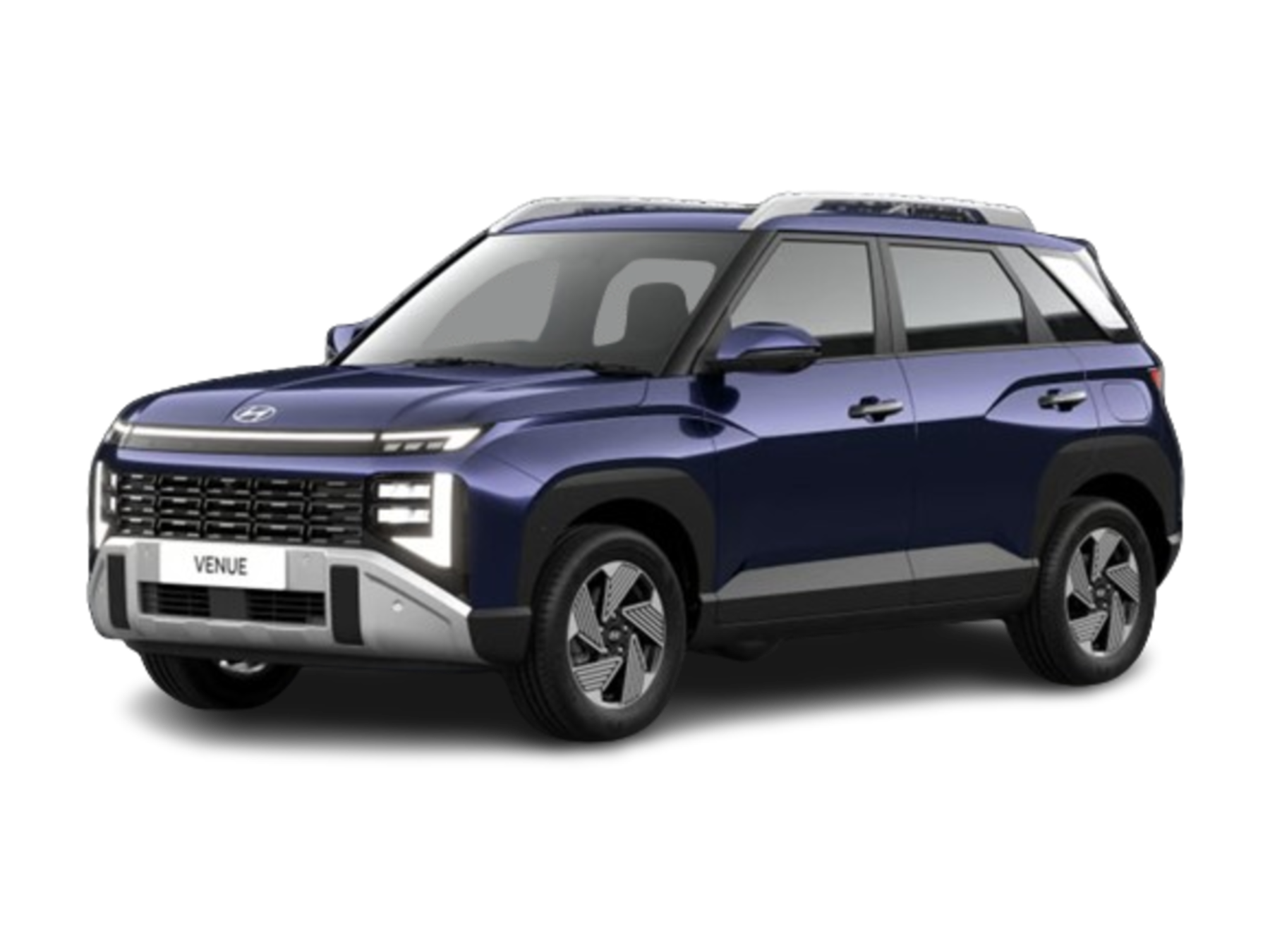
Airbags cushion occupants during impact. Two front airbags are the legal minimum; six (front, side and curtain) is now the practical standard on most new cars. Side and curtain airbags matter disproportionately in India, where side impacts at intersections are common.
ESC (Electronic Stability Control) is arguably the most underrated feature on this list. It detects when the car is starting to skid and brakes individual wheels to pull it back into line. Unlike airbags, which help after a crash begins, ESC helps prevent the crash entirely — particularly during sudden swerves, which is exactly the manoeuvre Indian traffic forces most often.
ISOFIX mounts are standardised anchor points for child seats. If you have young children, this matters more than almost anything else on the spec sheet — a correctly anchored child seat dramatically outperforms a seatbelt alone.
- ESC — prevents crashes, not just survives them
- Six airbags including curtain airbags
- ISOFIX if you carry children
- Three-point seatbelts in all seats including centre rear
- High airbag counts on a weak body structure
- "Safety features" that are really convenience features
- Rear parking sensors marketed as a safety system
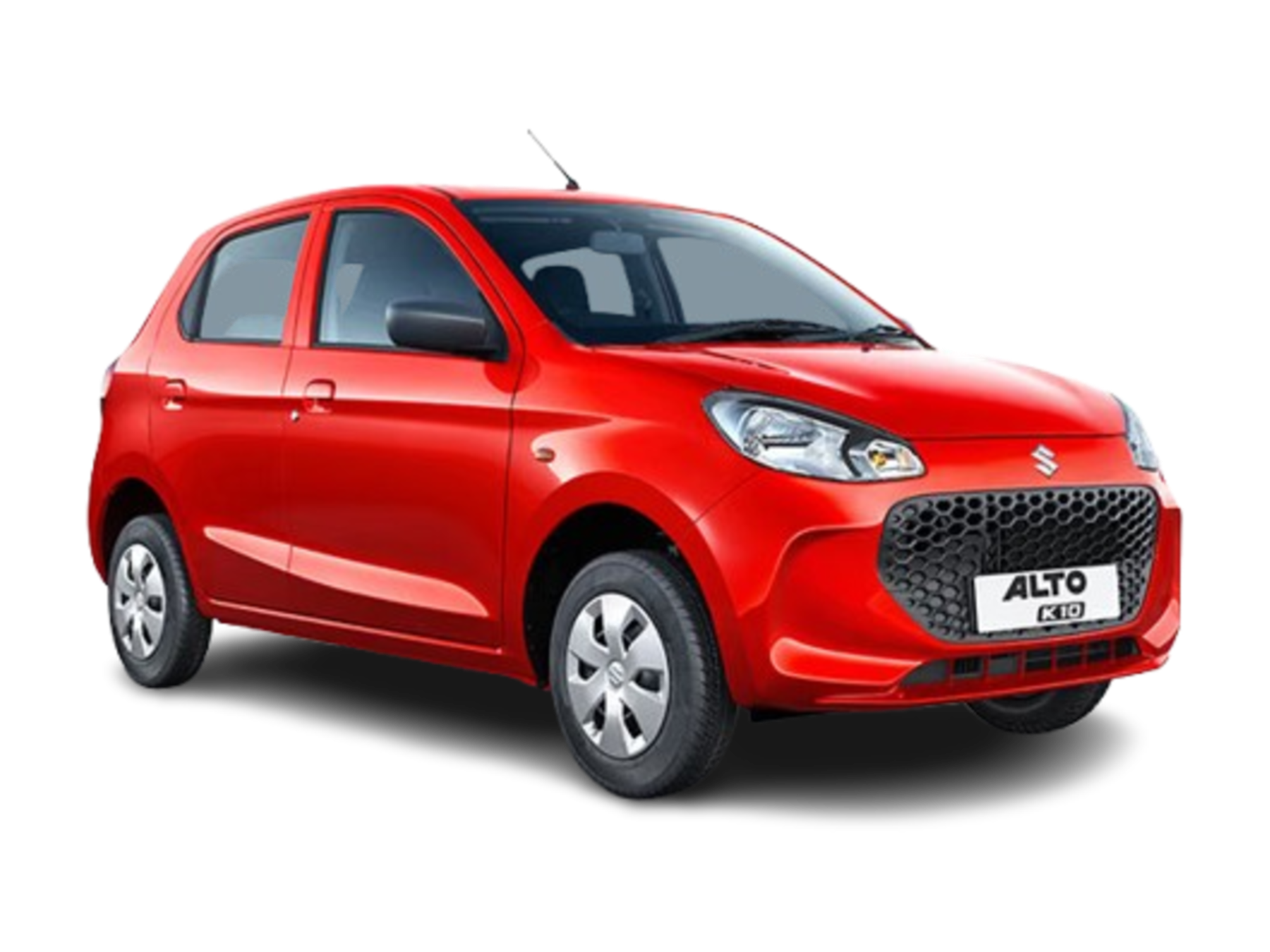
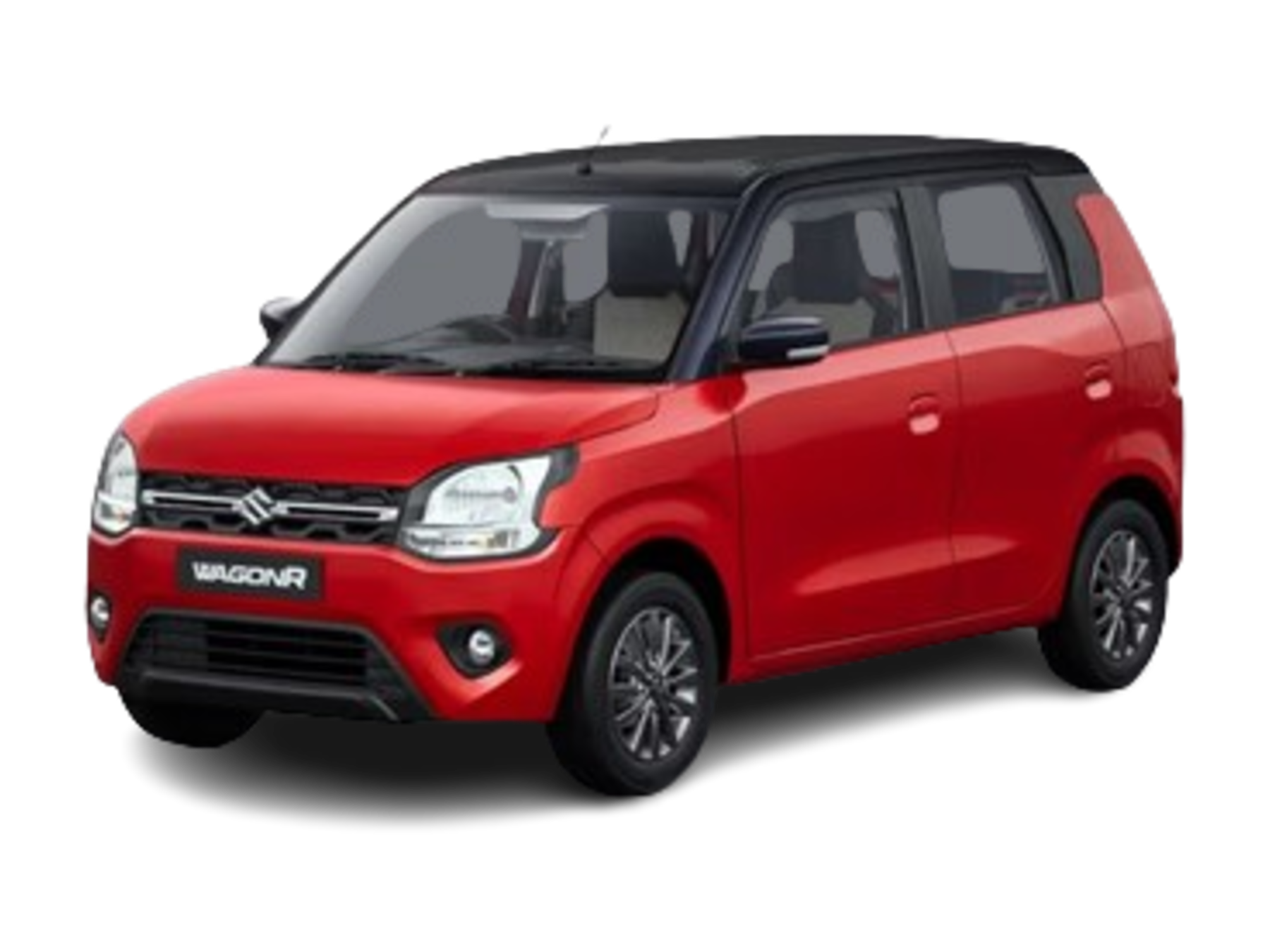
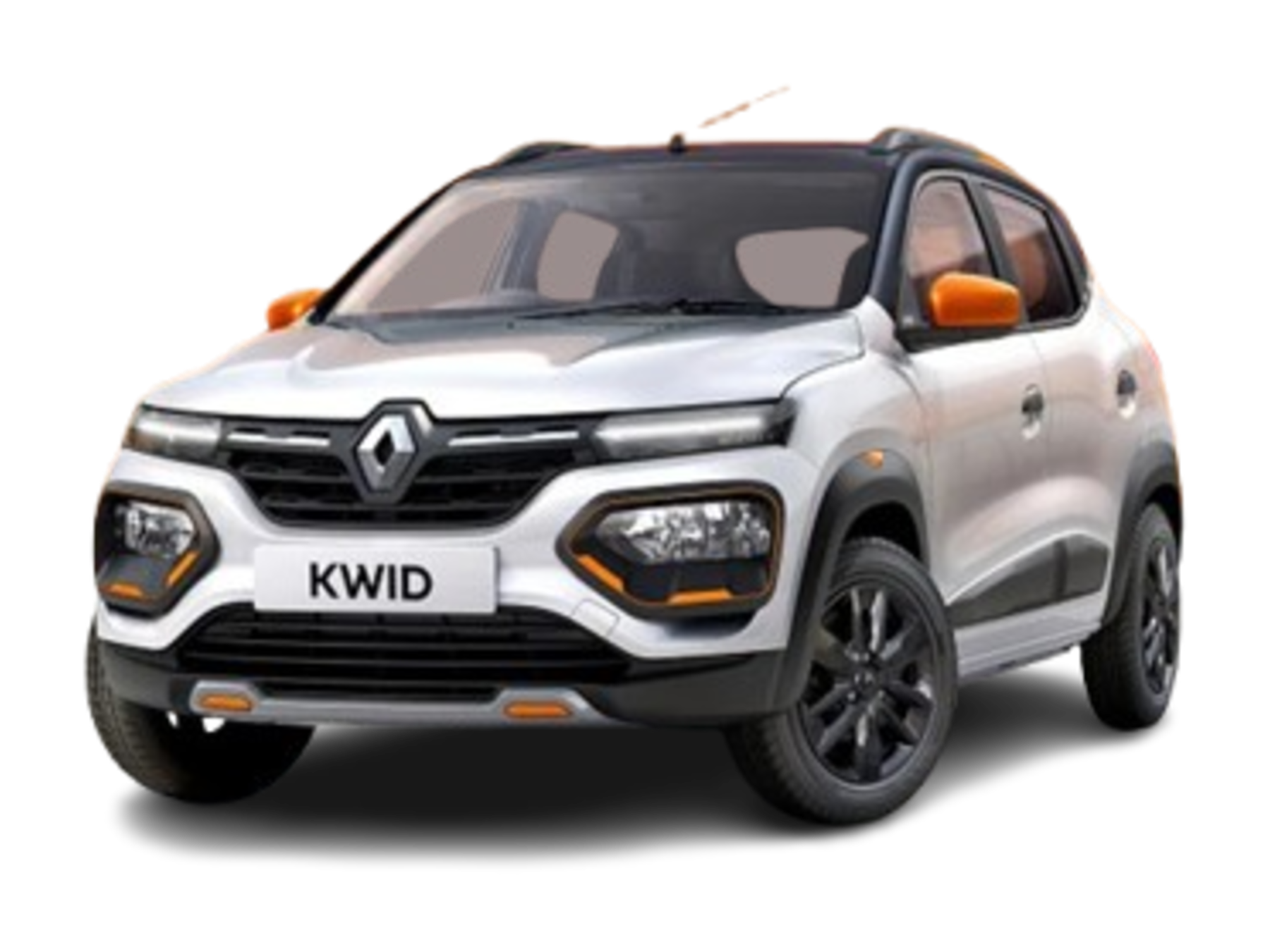
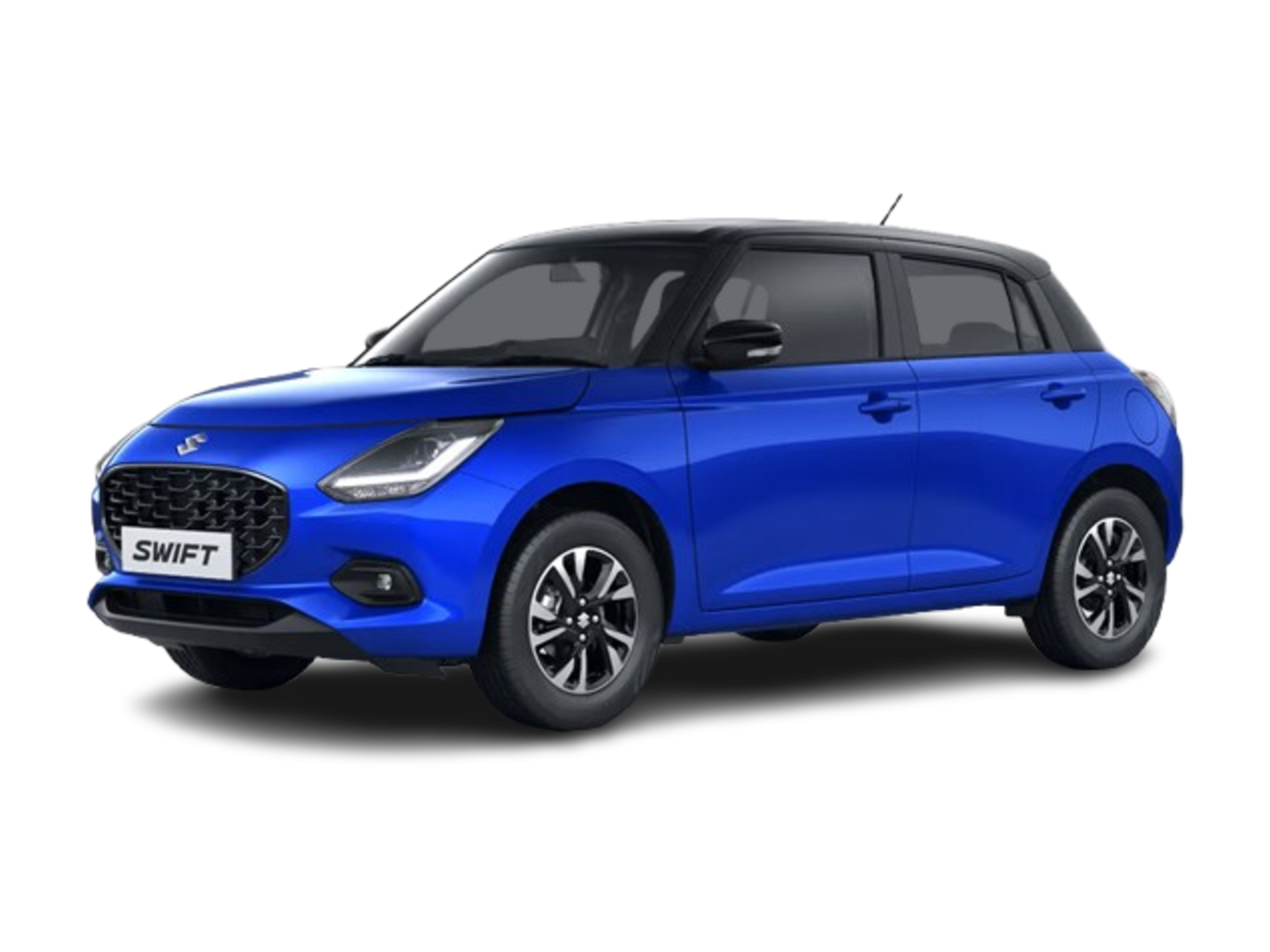
Level 1 ADAS assists with either steering or speed, but never both at once, and only briefly. The most valuable feature in this tier is Autonomous Emergency Braking (AEB) — the car detects an imminent collision and brakes automatically if you don't react in time. In stop-start Indian traffic where attention naturally lapses, this is the ADAS feature with the clearest real-world benefit.
Other common Level 1 features include blind-spot monitoring (a light in the mirror when a vehicle sits in your blind spot — genuinely useful given how often two-wheelers occupy that space in India), rear cross-traffic alert when reversing out of parking, and lane departure warning, which beeps if you drift without indicating.
- AEB can prevent low-speed city collisions outright
- Blind-spot monitoring suits Indian two-wheeler traffic
- Now available under ₹10 lakh
- Works without needing clear lane markings
- Can produce false alerts in dense traffic
- Camera-only systems struggle in heavy rain and fog
- Often reserved for the top variant only

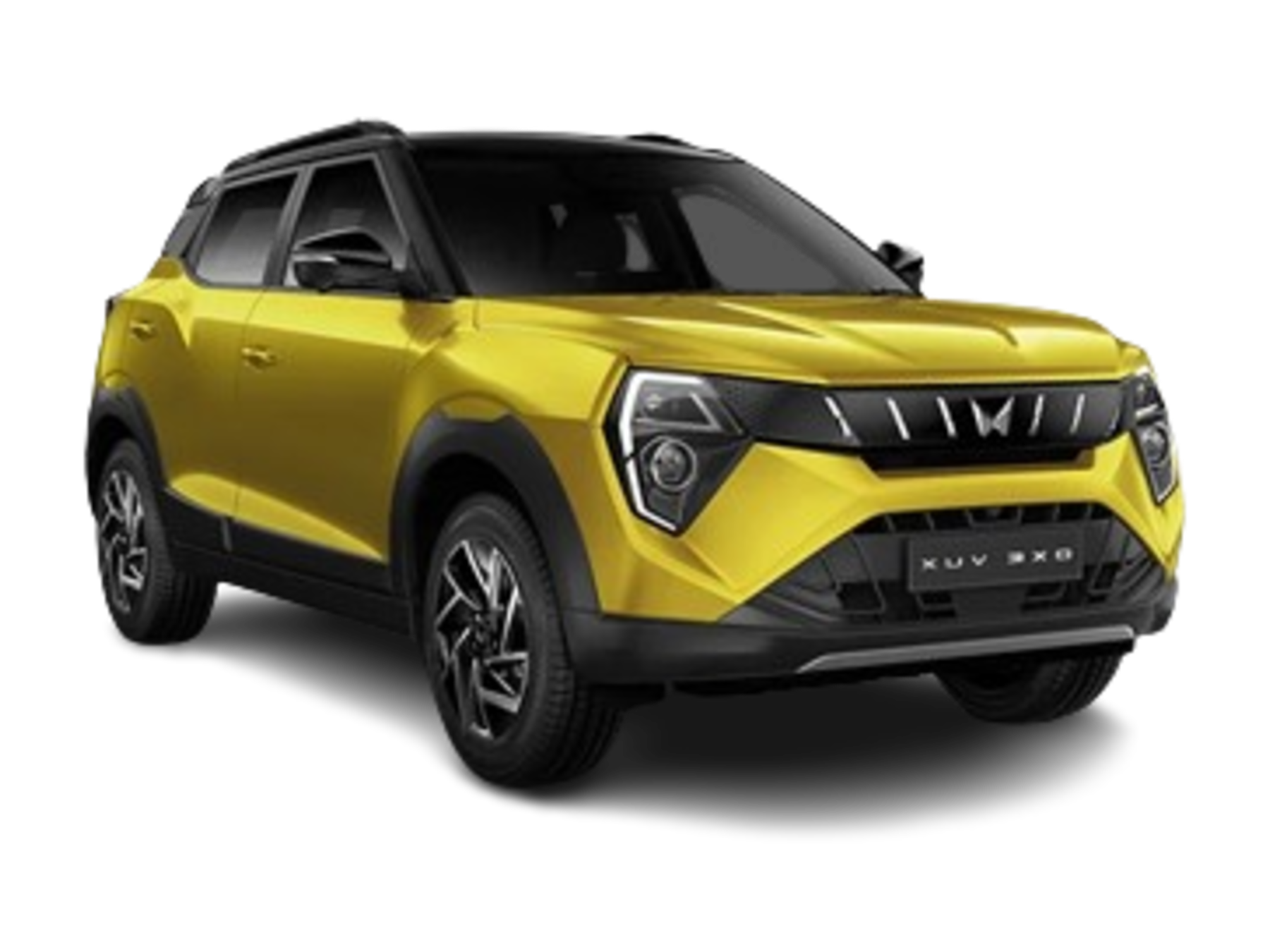



Level 2 ADAS controls steering and speed simultaneously. The core combination is adaptive cruise control (maintains a set gap to the vehicle ahead, slowing and accelerating automatically) plus lane centring (actively steers to keep you mid-lane). On a well-marked expressway this genuinely reduces fatigue on long drives.
It is critical to understand what Level 2 is not. It is not self-driving. You remain legally and practically responsible at all times, and the system expects your hands on the wheel. Systems disengage — often abruptly — when lane markings fade, in heavy rain, or in low sun. Treating Level 2 as autonomy is how people get hurt.
On Indian roads specifically, Level 2 performs unevenly. It shines on newer expressways. In dense city traffic, where vehicles cut in with little gap and lane discipline is loose, adaptive cruise brakes constantly and lane centring fights the driver. Many owners simply switch it off below highway speeds.
- Substantially reduces fatigue on long highway drives
- Maintains a consistent, safe following distance
- Excellent on newer expressways
- Includes all Level 1 features underneath
- Frequently unusable in dense city traffic
- Depends on clear, well-painted lane markings
- Can disengage suddenly in poor weather
- Risk of over-trusting it — it is not autonomy

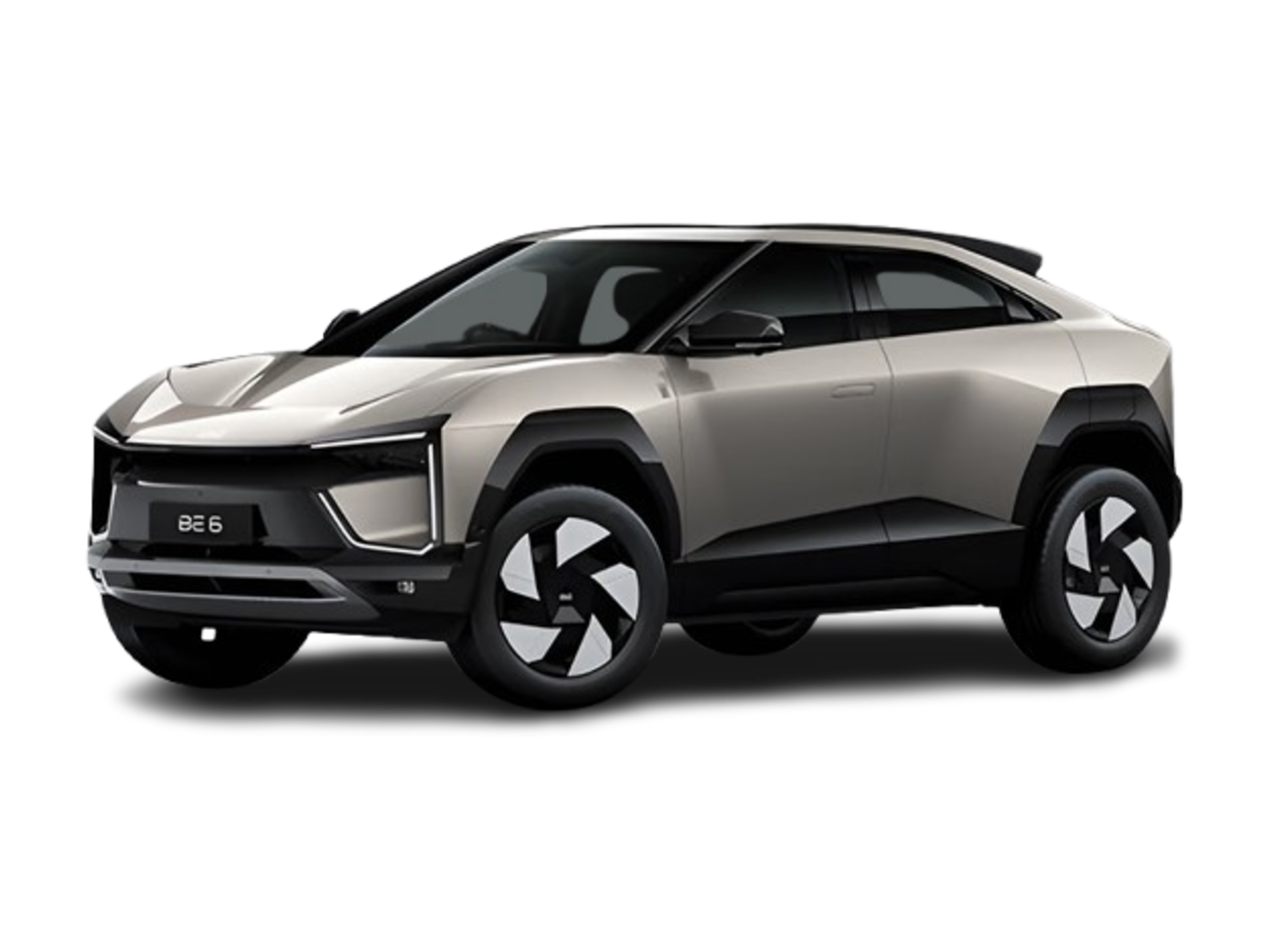
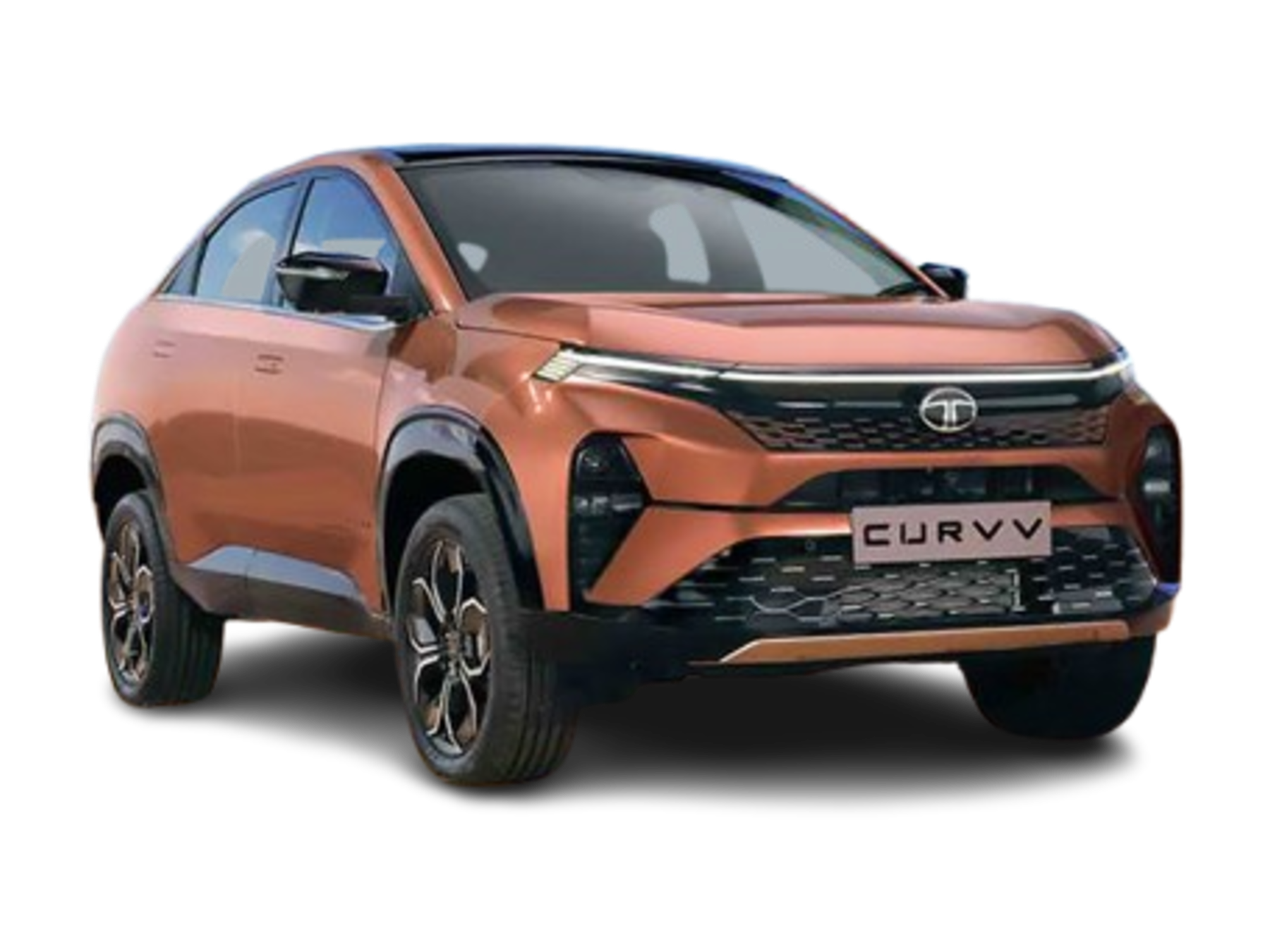
If you're comparing two cars and can't have everything, this is the order we'd genuinely prioritise for typical Indian driving conditions:
1. A strong BNCAP rating (4 or 5 star). Structure is the only layer you can never upgrade later.
2. ESC. Crash prevention beats crash survival, and Indian traffic demands sudden swerves constantly.
3. Six airbags, including curtain airbags. Side impacts at intersections are common here.
4. Autonomous Emergency Braking. The one ADAS feature that pays for itself in city traffic.
5. Blind-spot monitoring. Especially valuable given two-wheeler density.
6. Level 2 ADAS. Genuinely useful — but only if you actually drive highways regularly.
One more thing worth saying plainly: the safest configuration is often not the top variant. Check whether ESC and curtain airbags are present on the mid variant you're actually considering, rather than assuming a model's headline safety rating applies across its whole range. It frequently doesn't.
Quick Comparison — Safety Layers at a Glance
| Layer | What It Does | Value on Indian Roads | Typical From |
|---|---|---|---|
| BNCAP Structure | Survives the crash | Essential | All price points |
| ESC | Prevents skids and rollovers | Essential | Now mandatory |
| 6 Airbags | Cushions impact | Essential | Most new cars |
| AEB (Level 1) | Brakes automatically | High | ~₹10 Lakh |
| Blind-Spot Monitor | Warns of hidden vehicles | High | ~₹12 Lakh |
| Level 2 ADAS | Steering + speed together | Highway only | ~₹14 Lakh |
Frequently Asked Questions
Find a Car That Matches Your Safety Priorities
Our free quiz factors in safety ratings alongside your budget, family size and driving pattern — and tells you honestly where each recommendation compromises.
Take the Free Car Quiz →