
Petrol is the default fuel choice for most Indian car buyers. It offers the smoothest, quietest engine performance and is available at every fuel station across the country. Petrol cars also tend to have a lower purchase price compared to diesel variants of the same model.
The downside is running cost — petrol is currently the most expensive fuel per kilometre in most Indian cities. If you drive a moderate amount each month and prioritise a smooth, refined driving experience over absolute fuel savings, petrol remains an excellent choice.
- Available everywhere in India
- Smoothest, quietest engines
- Lower purchase price than diesel
- Lower maintenance cost than diesel
- Wide range of models available
- Highest running cost per km
- Not ideal for very high monthly usage
- Lower torque than diesel

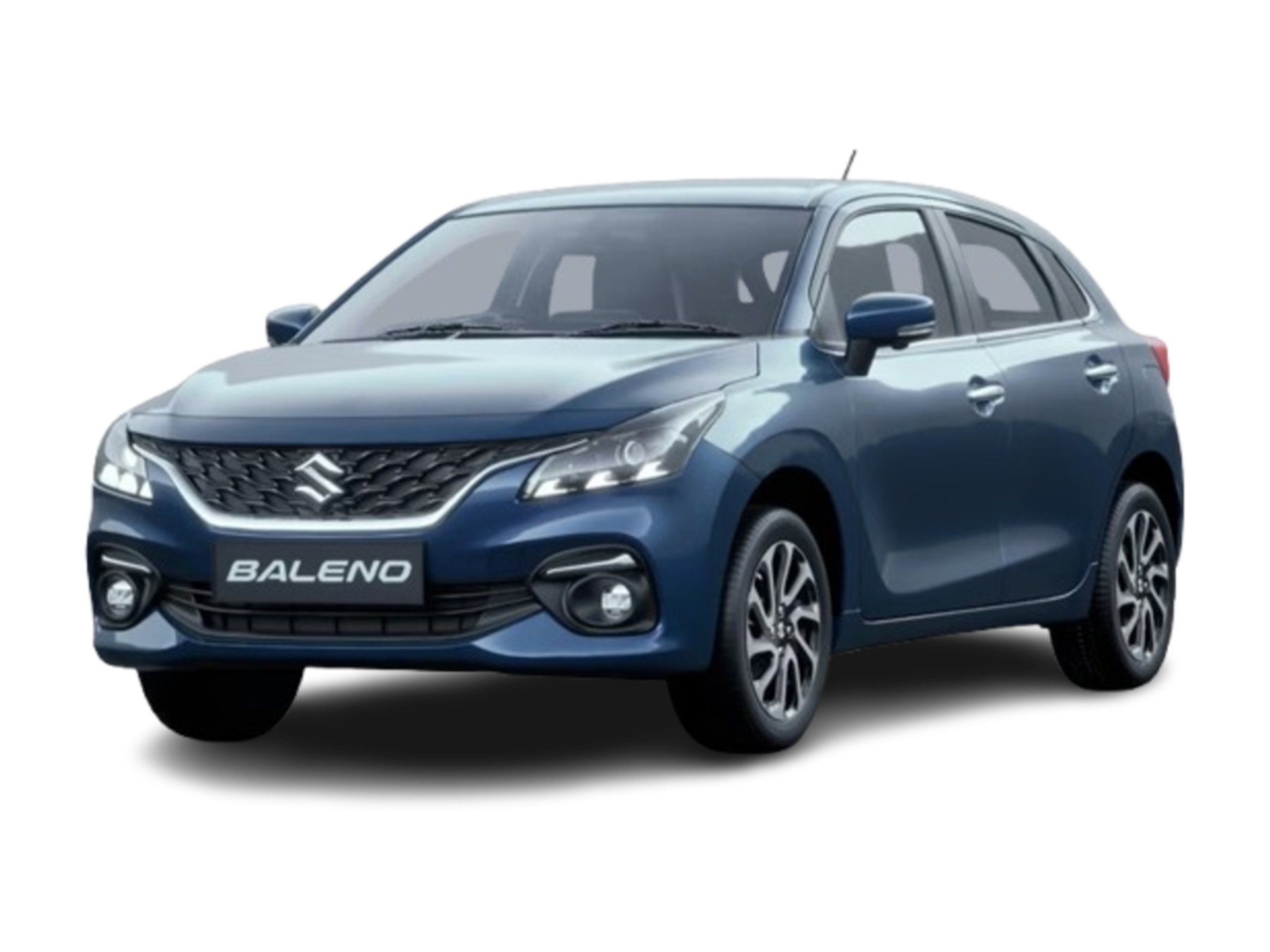

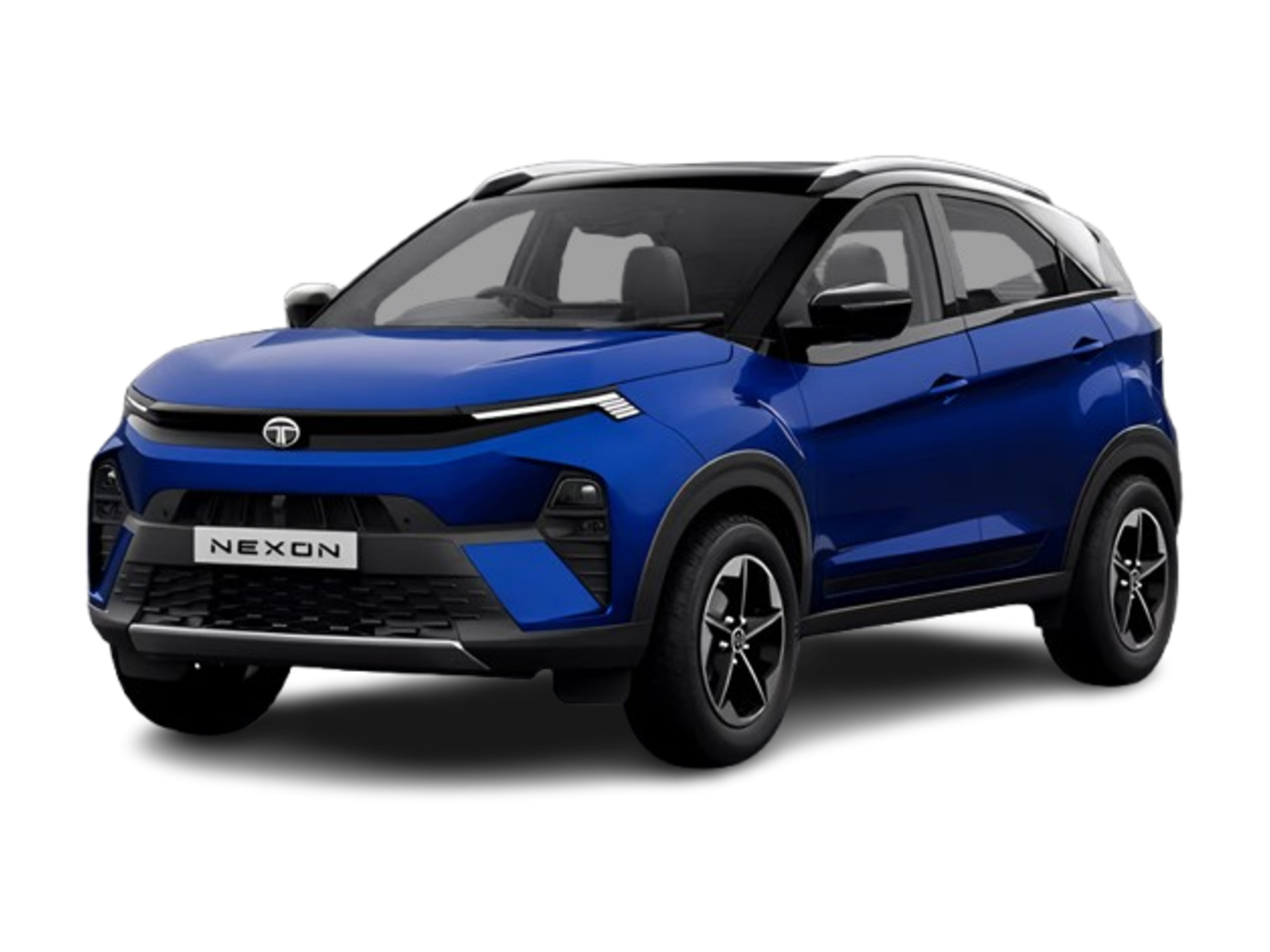


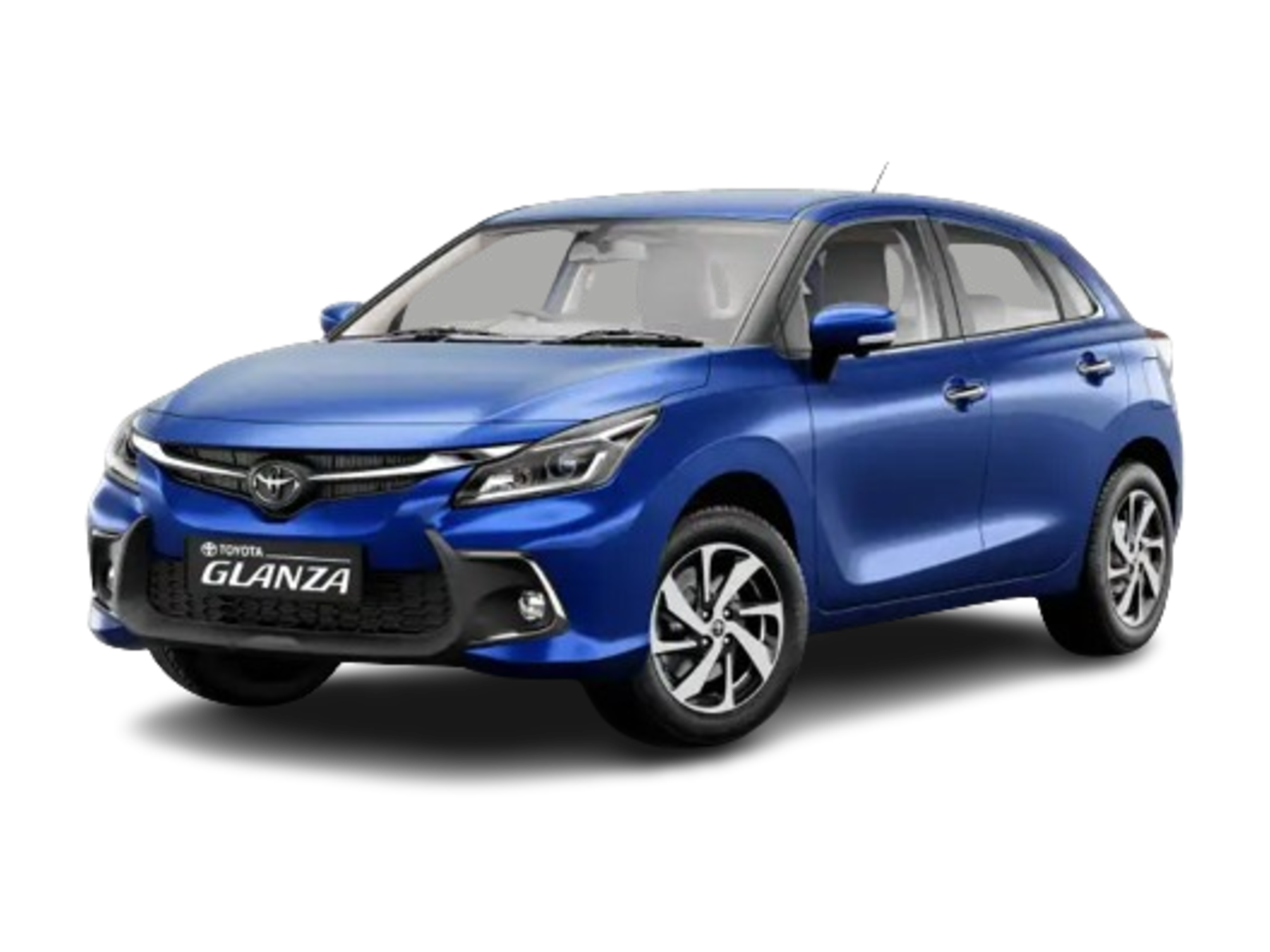

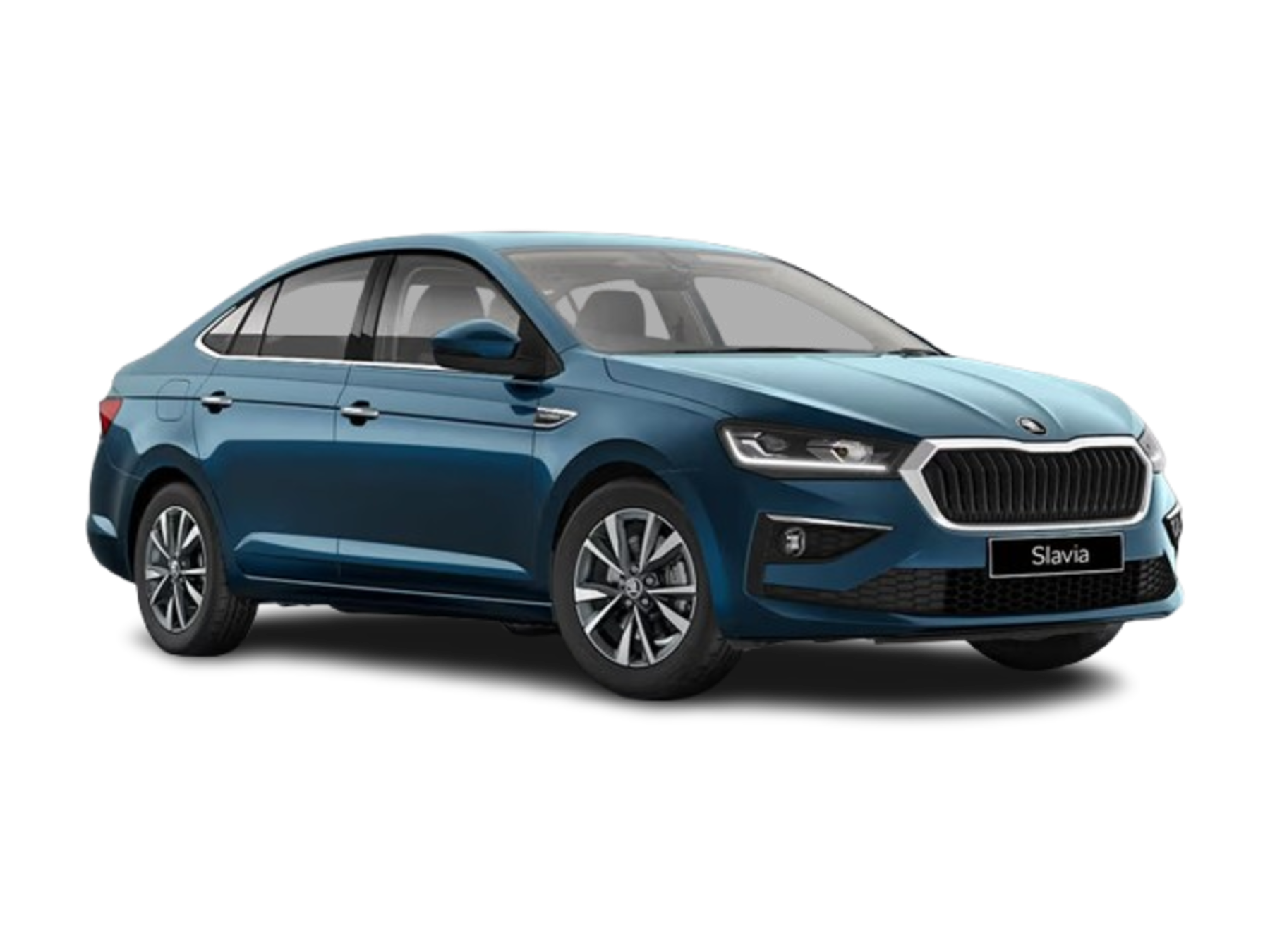

Diesel engines deliver superior fuel efficiency and torque, making them the preferred choice for buyers who drive long distances regularly. Diesel cars perform especially well on highways, with strong pulling power for overtaking and carrying heavier loads.
However, diesel cars come with a higher purchase price and increased maintenance cost compared to petrol variants. They make the most financial sense only if your monthly driving crosses roughly 1500-2000 km, where the fuel savings offset the higher upfront and service costs over time.
- Best fuel efficiency for high usage
- Strong torque and towing capability
- Excellent for highway driving
- Lower fuel price than petrol per litre
- Higher purchase price
- Higher maintenance and service cost
- Noisier engine than petrol
- Not economical for low monthly usage





CNG (Compressed Natural Gas) offers the lowest running cost of any fuel type in India, often costing half as much per kilometre compared to petrol. Maruti Suzuki, Hyundai and Tata all offer factory-fitted CNG kits across many models, which is safer and more reliable than aftermarket conversions.
The main trade-off is reduced boot space, since the CNG cylinder takes up storage area. Performance also dips slightly compared to pure petrol mode, though most factory-fitted CNG cars allow easy switching between petrol and CNG. For daily commuters who want to slash fuel bills, CNG is hard to beat.
- Lowest running cost in India
- Factory-fitted options now widely available
- Cleaner emissions than petrol/diesel
- Can switch back to petrol anytime
- Reduced boot space due to cylinder
- Slightly lower performance in CNG mode
- Fewer filling stations than petrol pumps
- Not available on all car models

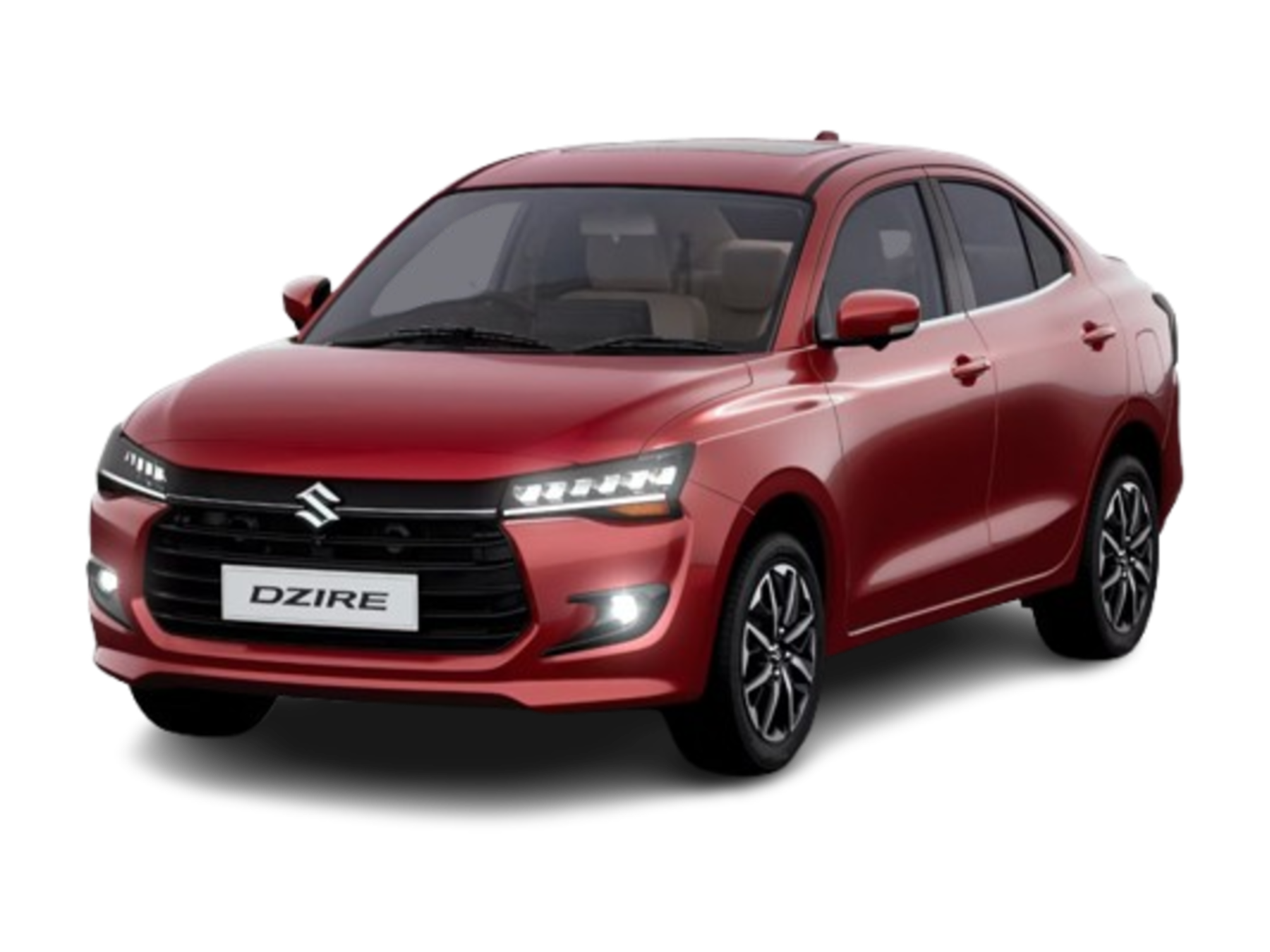
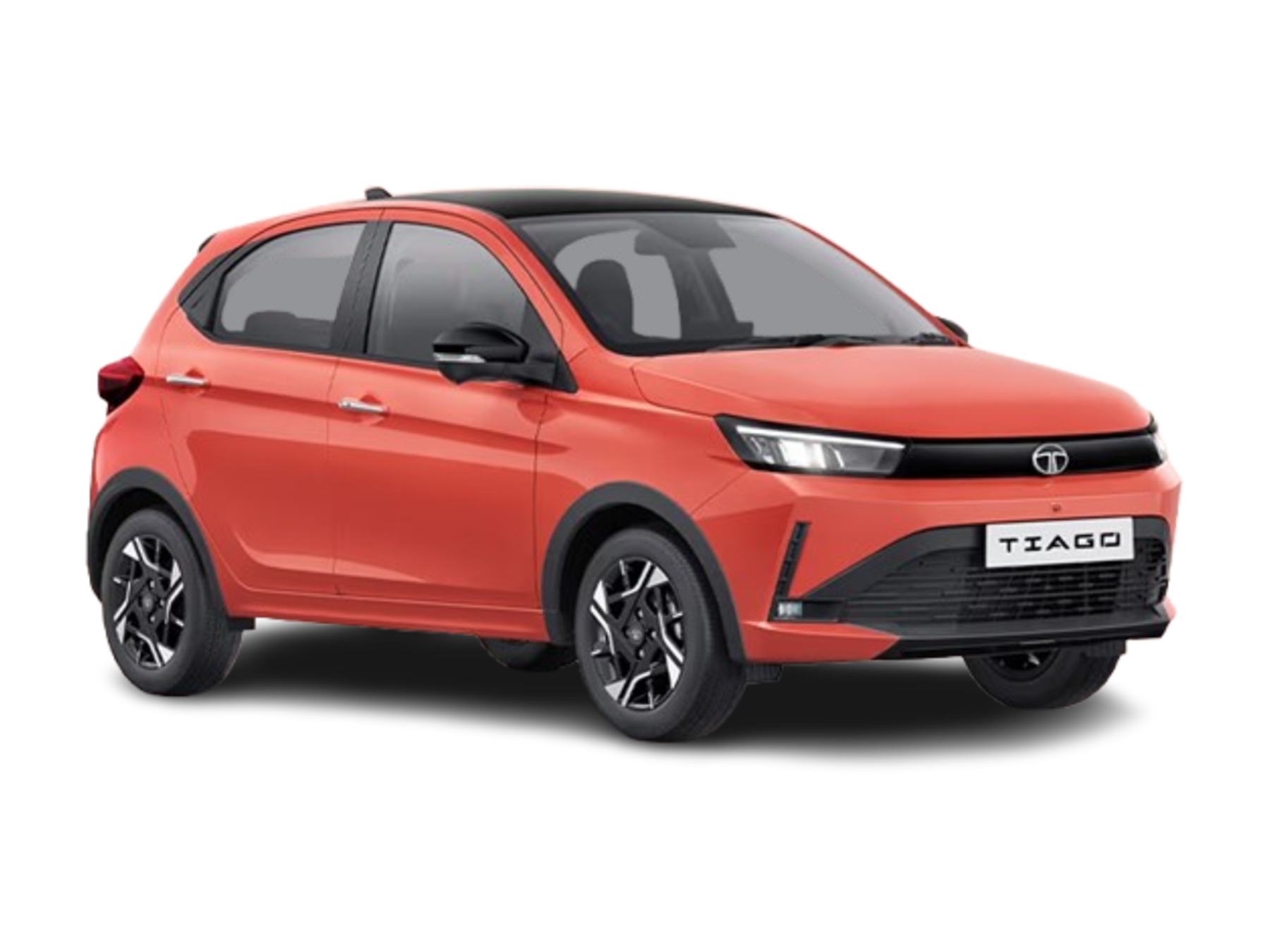

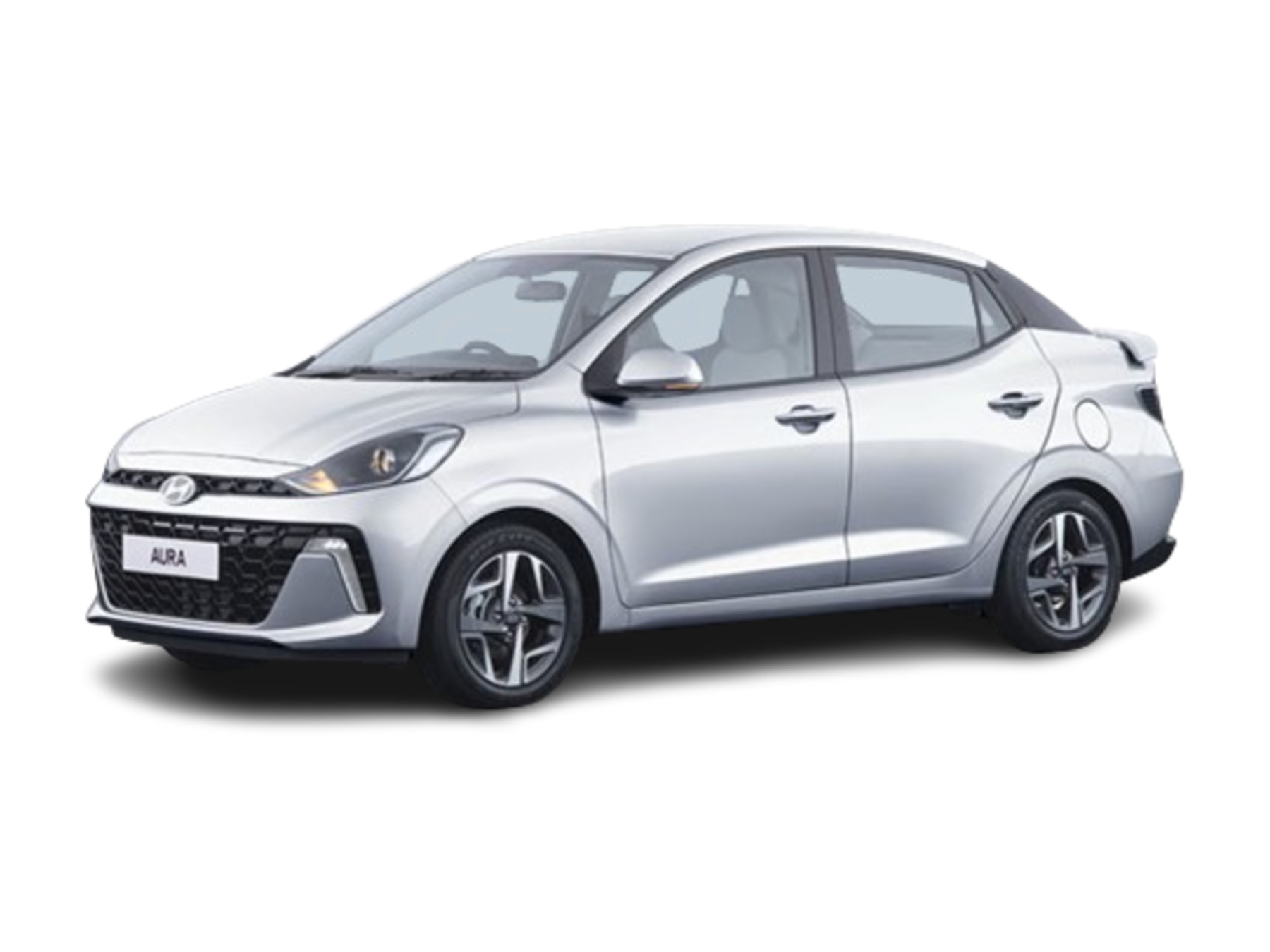


Flex Fuel Vehicles (FFVs) are engineered to run on a blend of petrol and ethanol, ranging from standard petrol up to E20 (20% ethanol) or even E85 in some global markets. India has been pushing ethanol blending as part of its energy security and environmental goals, with E20 fuel becoming more available at pumps across the country.
Flex fuel engines are largely similar to petrol engines but tuned to handle the different combustion properties of ethanol blends. While the technology is promising and government-backed, widespread infrastructure and dedicated flex-fuel-only vehicles are still in early stages in India compared to petrol, diesel and CNG.
- Reduces dependence on crude oil imports
- Lower carbon emissions than pure petrol
- Government-backed with growing support
- Compatible with existing petrol infrastructure
- Limited dedicated flex fuel vehicles in India
- Ethanol-blended fuel not available everywhere yet
- Slightly lower fuel efficiency than pure petrol
- Technology still maturing in Indian market

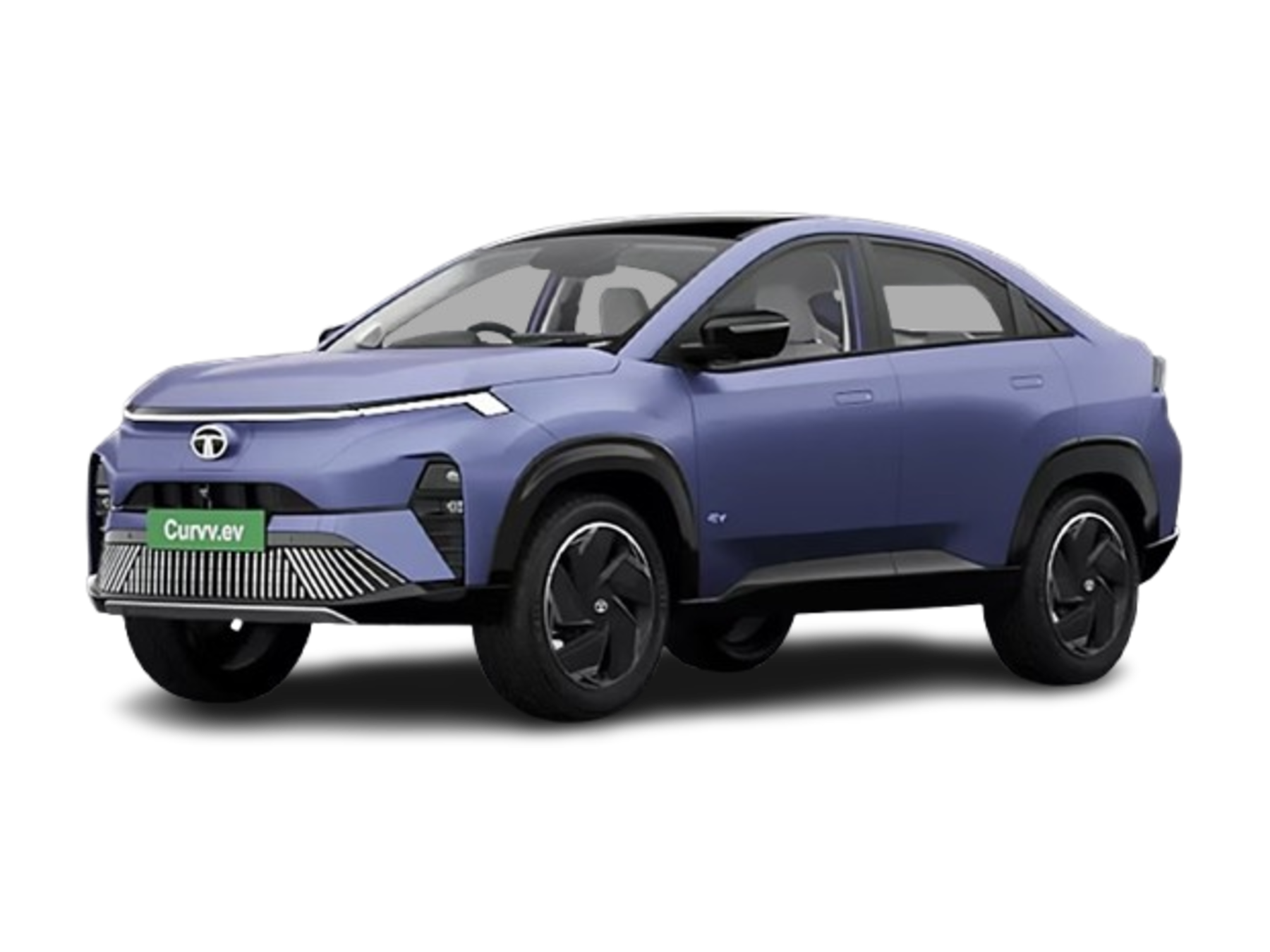
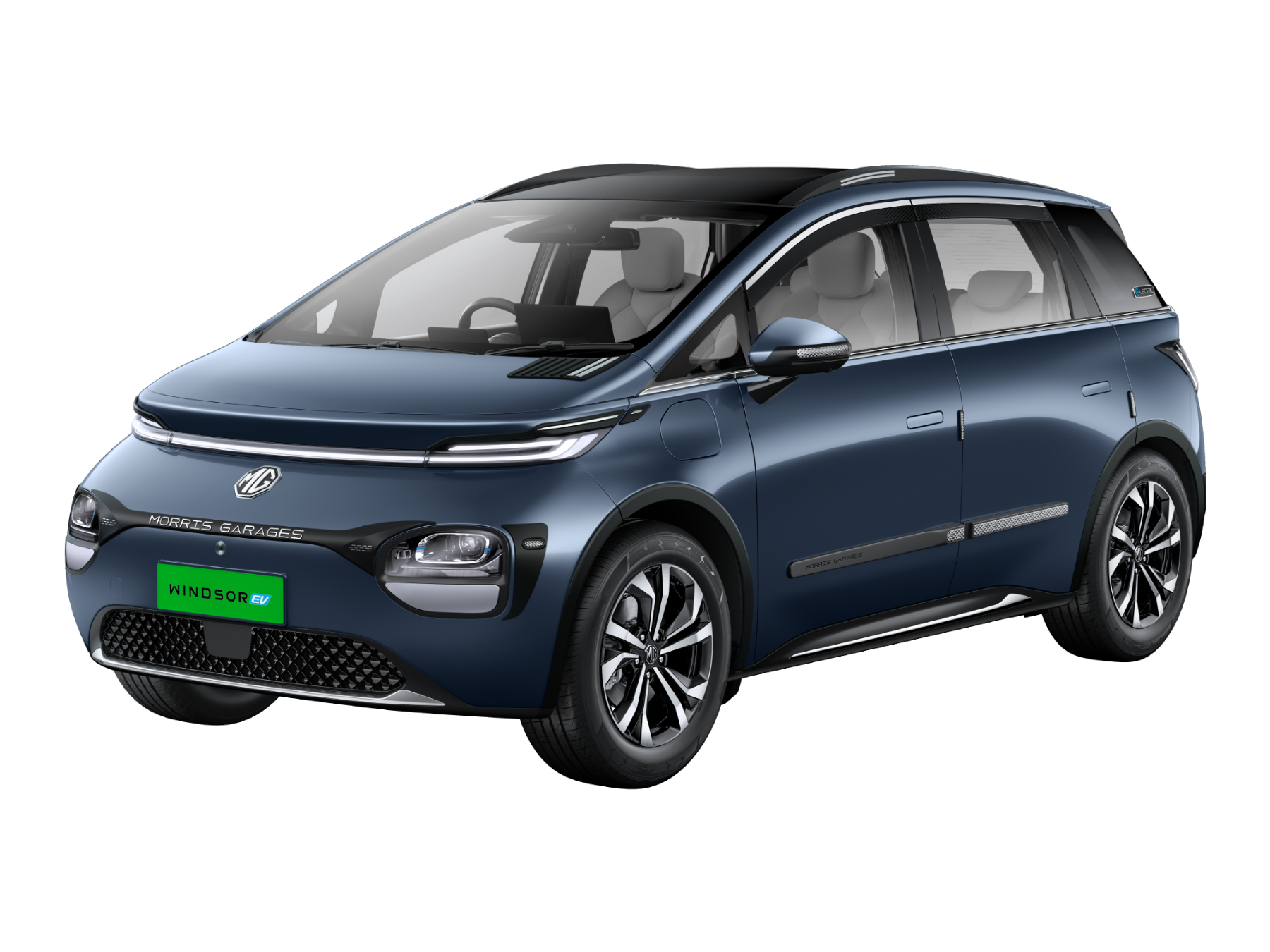
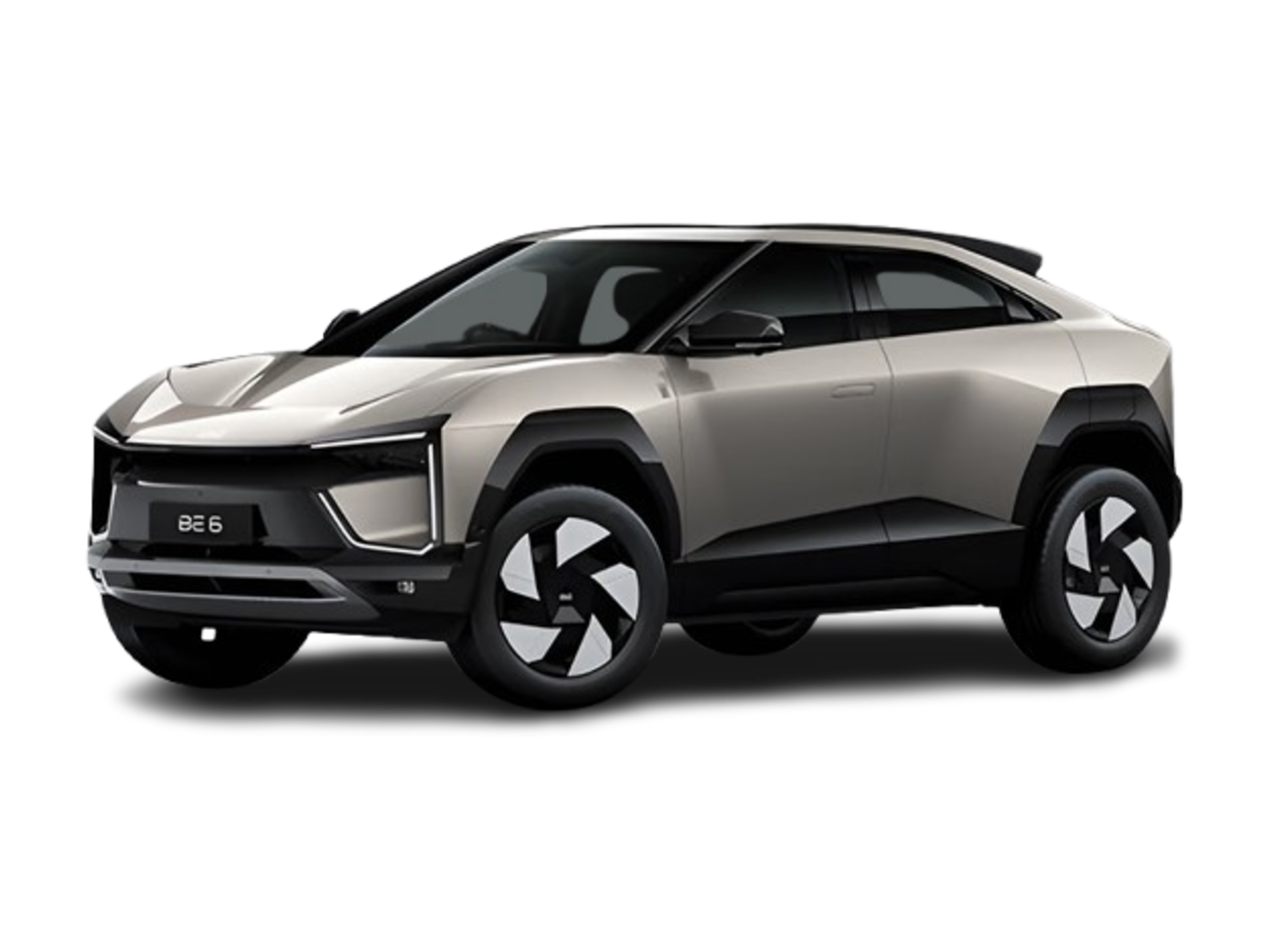
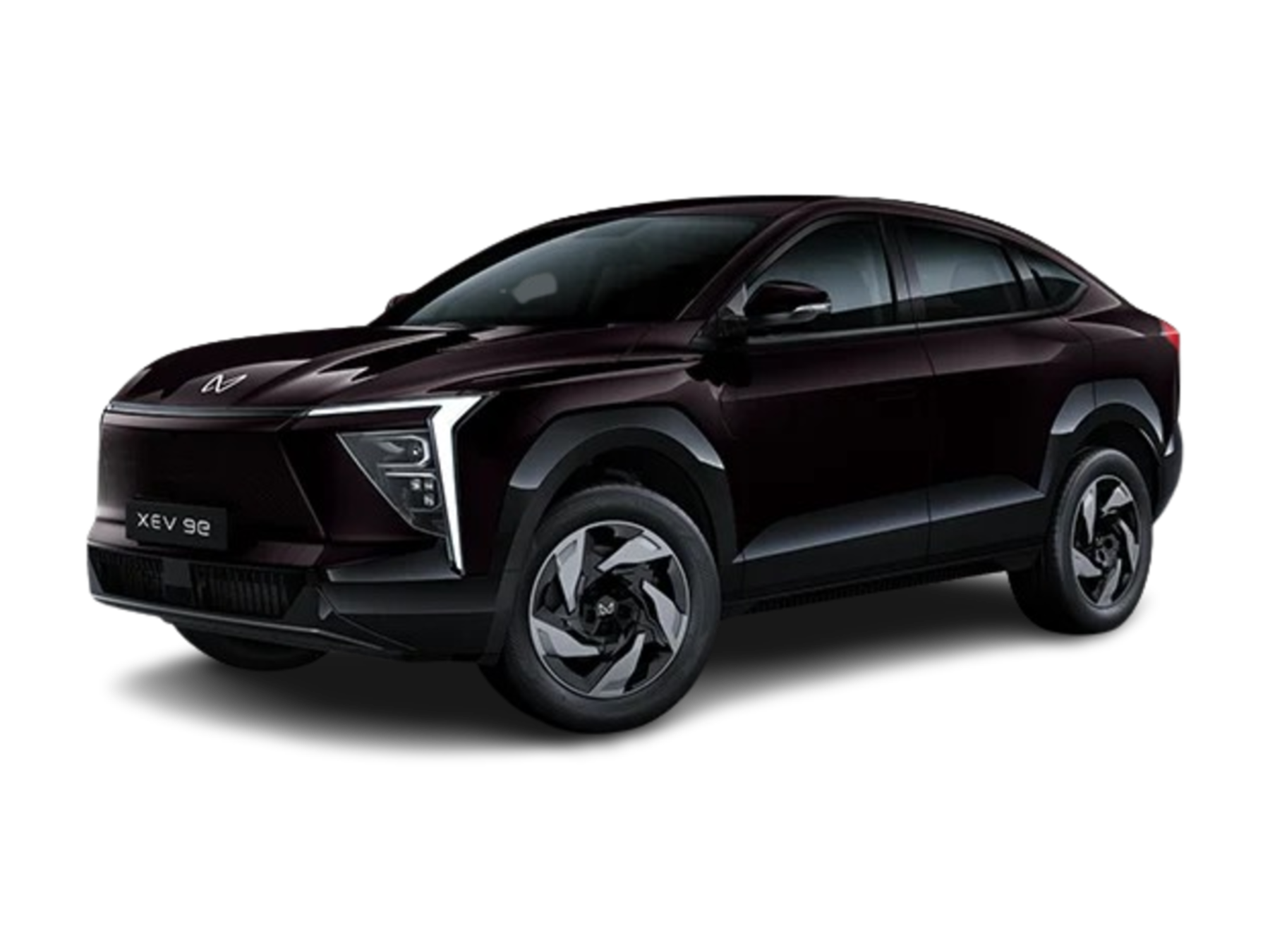
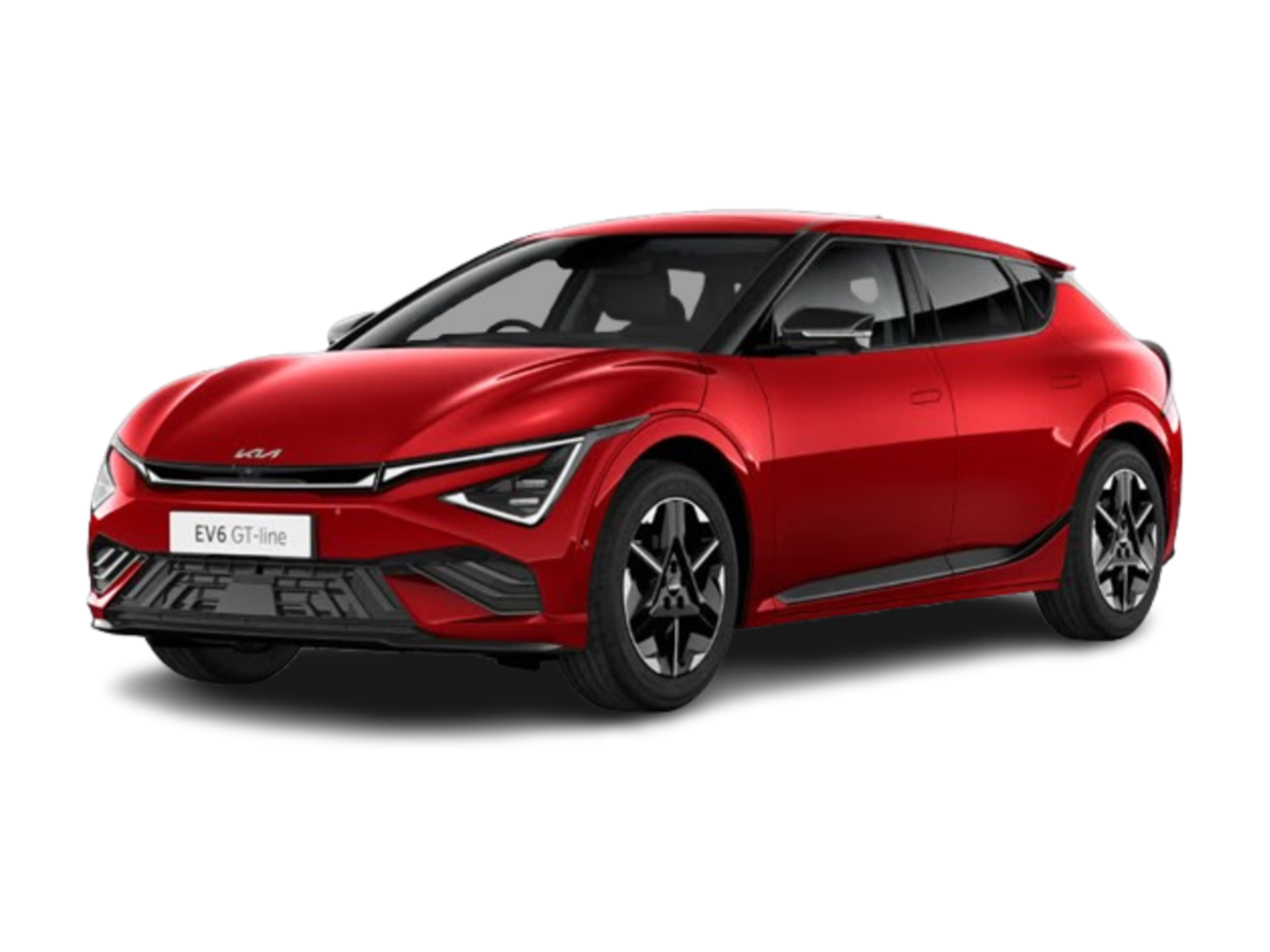
Electric Vehicles run entirely on battery power, eliminating petrol, diesel and CNG altogether. EVs offer the lowest running cost of any fuel type, near-silent operation, and instant torque that makes city driving feel effortless and quick. Maintenance is also significantly lower since EVs have far fewer moving parts than combustion engines.
The biggest consideration is charging — home or office charging access makes EV ownership seamless for daily city use, but long highway trips require planning around charging station availability. Range anxiety is reducing every year as charging infrastructure expands rapidly across Indian highways and cities.
- Lowest running cost of any fuel type
- Lowest maintenance — fewer moving parts
- Instant torque, smooth acceleration
- Zero tailpipe emissions
- Silent, refined driving experience
- Government incentives and tax benefits
- Higher purchase price than petrol equivalent
- Charging infrastructure still expanding
- Range anxiety on long highway trips
- Battery replacement cost is high long-term




Quick Comparison — All 5 Fuel Types
| Fuel Type | Running Cost | Purchase Price | Maintenance | Availability | Best For |
|---|---|---|---|---|---|
| Petrol | High | Lowest | Low | Everywhere | City / Moderate Usage |
| Diesel | Medium | Higher | Medium-High | Everywhere | High Mileage / Highway |
| CNG | Lowest | Low-Medium | Low | Growing | Daily Commuters |
| Flex Fuel | Medium | Similar to Petrol | Low | Limited | Early Adopters |
| Electric (EV) | Lowest | Higher | Lowest | Expanding | City / Home Charging |
Frequently Asked Questions
Now Find Your Perfect Car on SahiCar.in
Our smart quiz uses your fuel preference to recommend the best new cars for you in India — free, unbiased and instant.
Take the Free Car Quiz →