
A naturally aspirated engine draws air in using only natural atmospheric pressure, without any forced induction. This is the traditional engine design that has powered cars for over a century. NA engines deliver power in a smooth, linear and predictable manner — there's no sudden surge or lag, just consistent response whenever you press the accelerator.
Because NA engines have fewer components than turbo engines, they are generally simpler, more reliable over the long term, and cheaper to maintain. There's no turbocharger to fail or service, which means lower repair bills over the life of the car. The trade-off is that NA engines typically need a larger displacement to match the power output of a smaller turbocharged engine, which can mean slightly lower fuel efficiency in some cases.
- Simple, proven, reliable technology
- Lower long-term maintenance cost
- Predictable, linear power delivery
- No turbo lag
- Generally cheaper to repair
- Needs larger engine size for same power
- Can be less fuel efficient than turbo equivalents
- Lower peak power compared to turbocharged engines
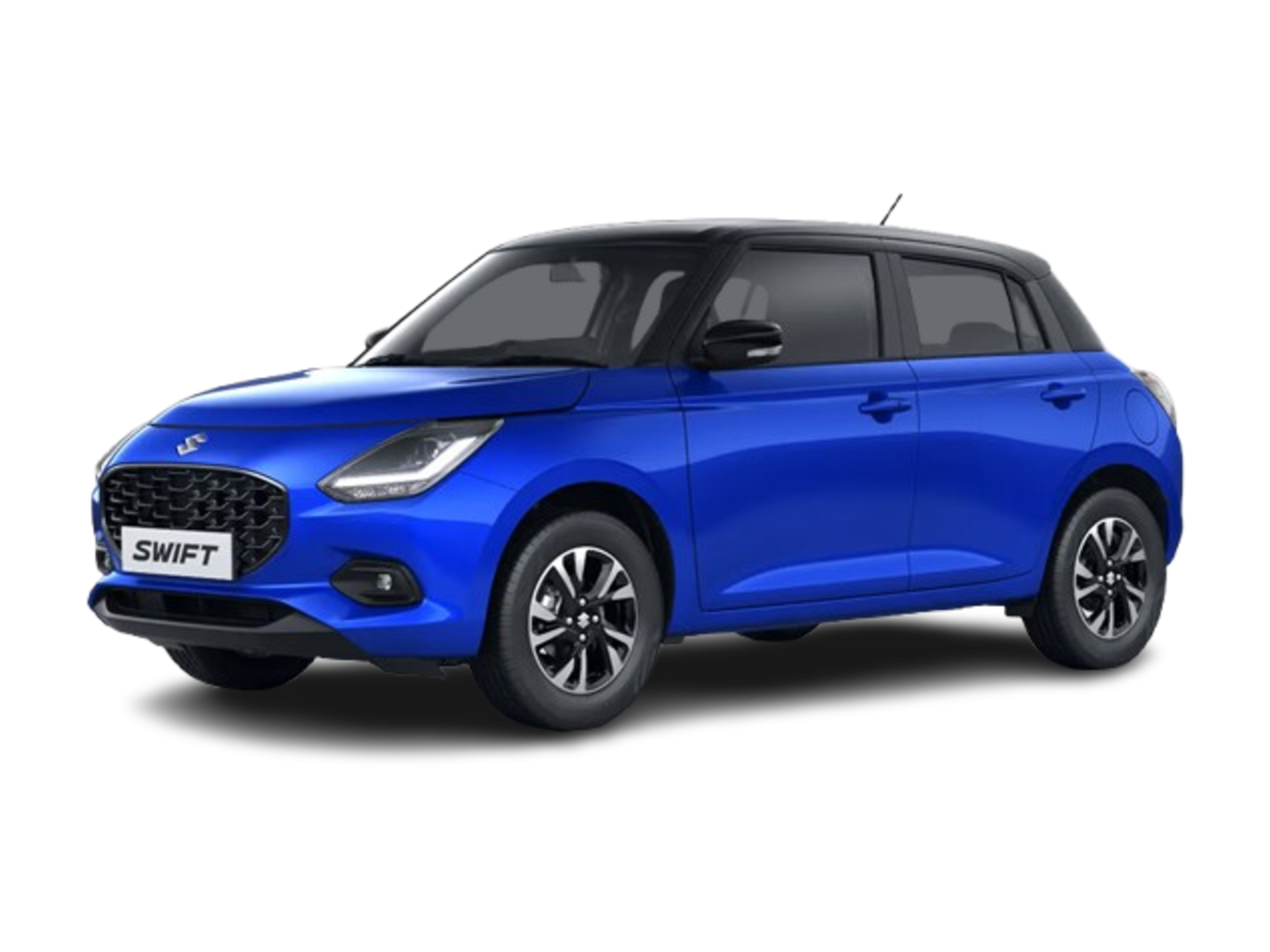
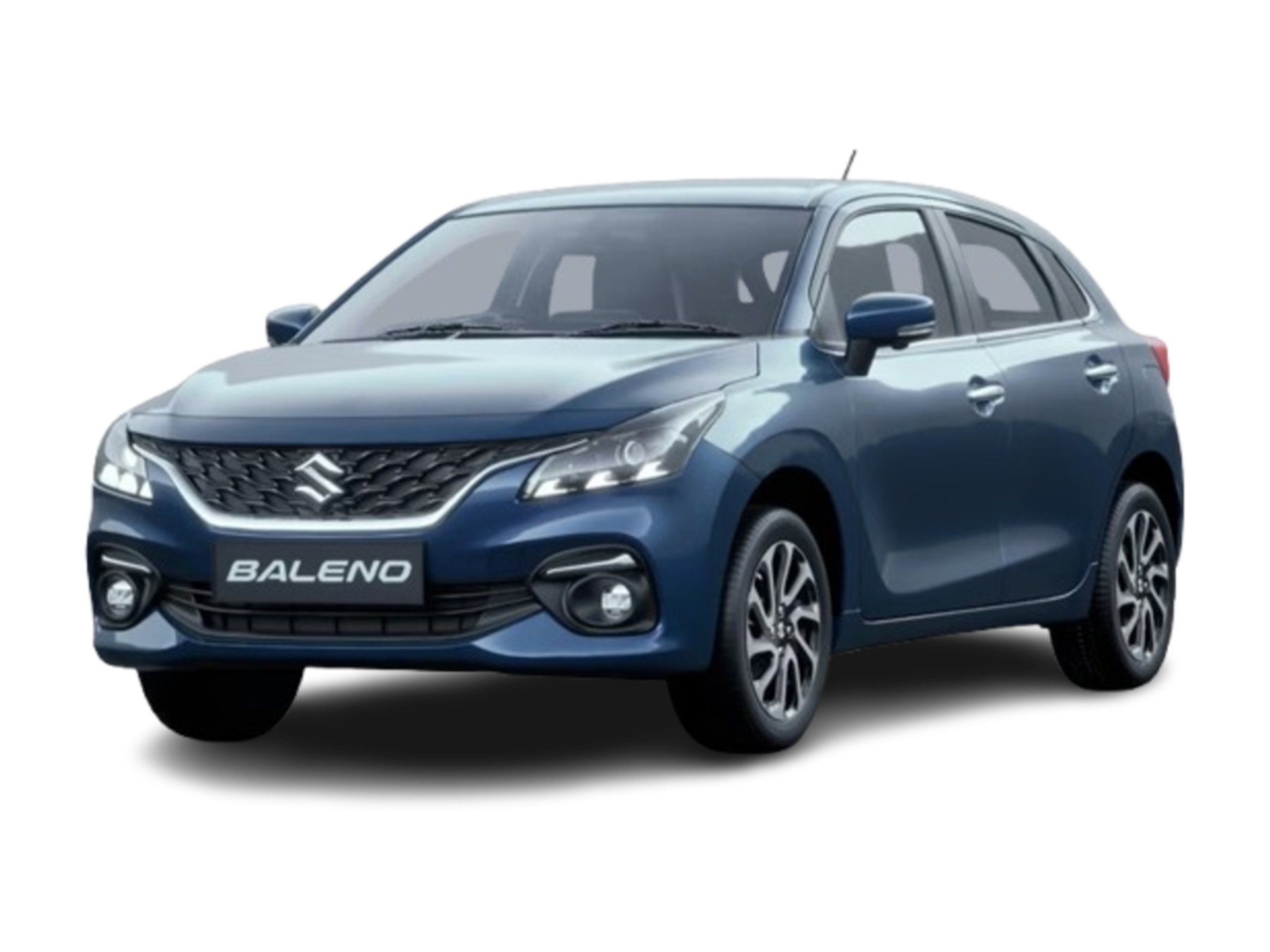
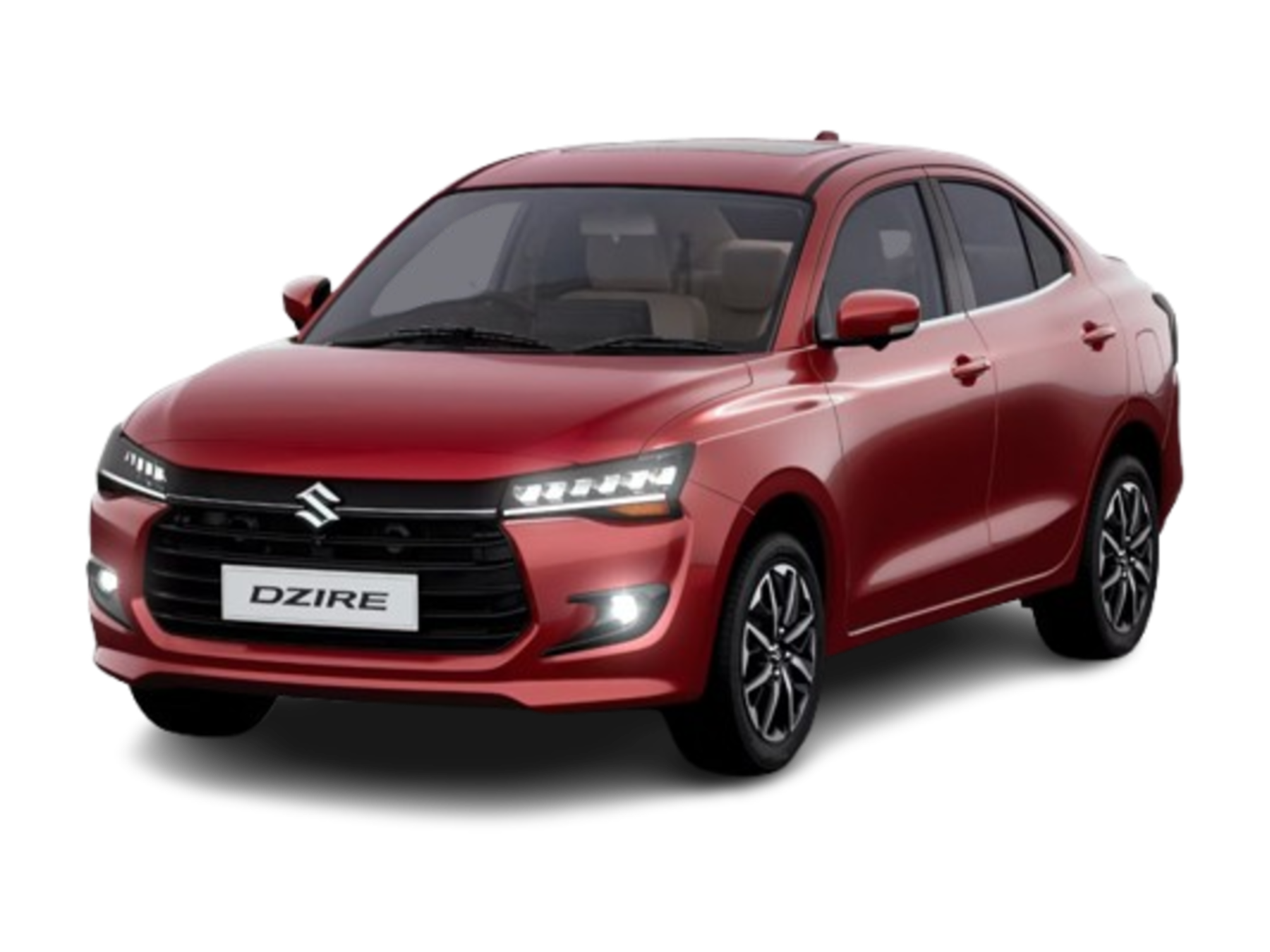


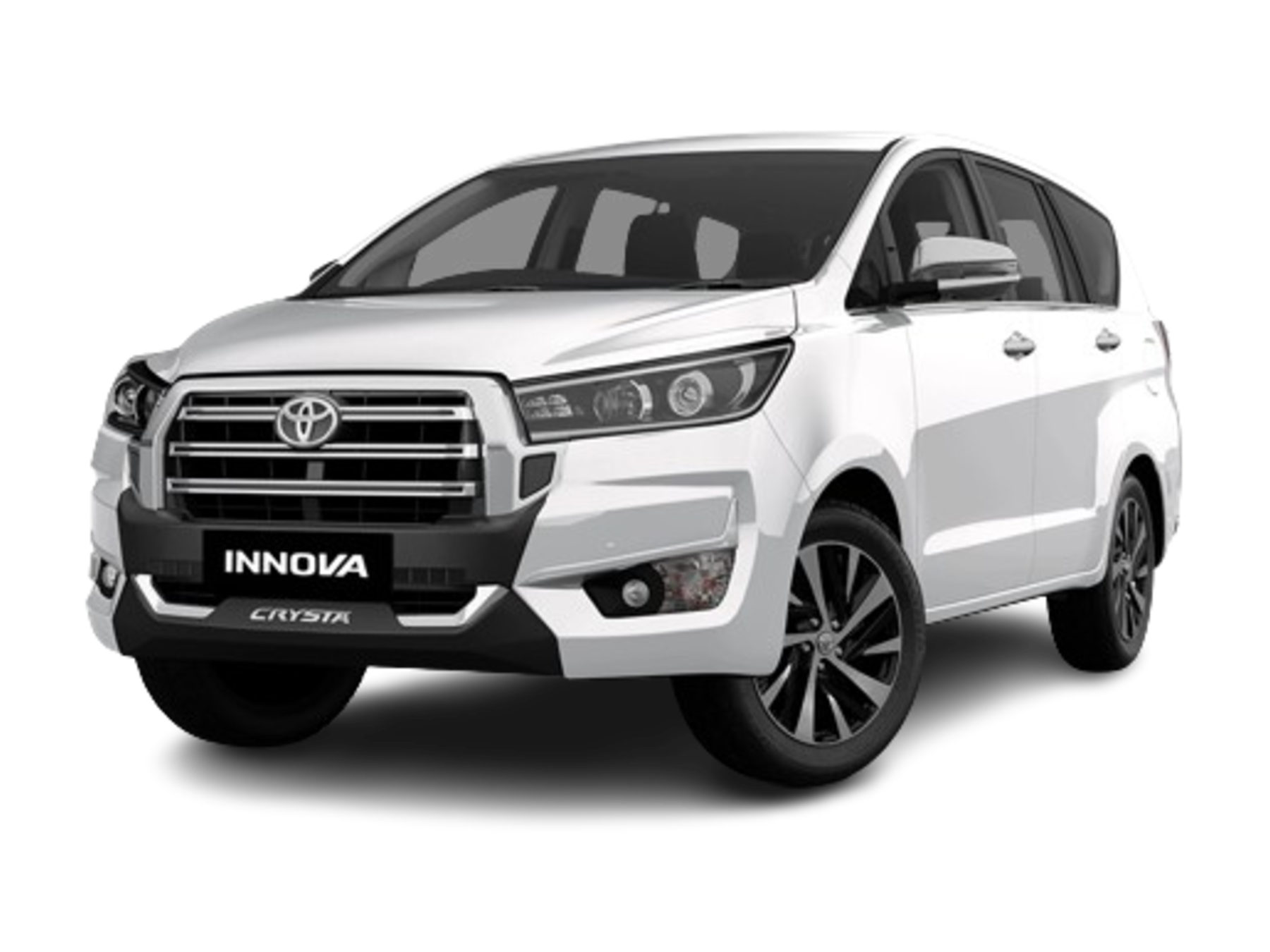

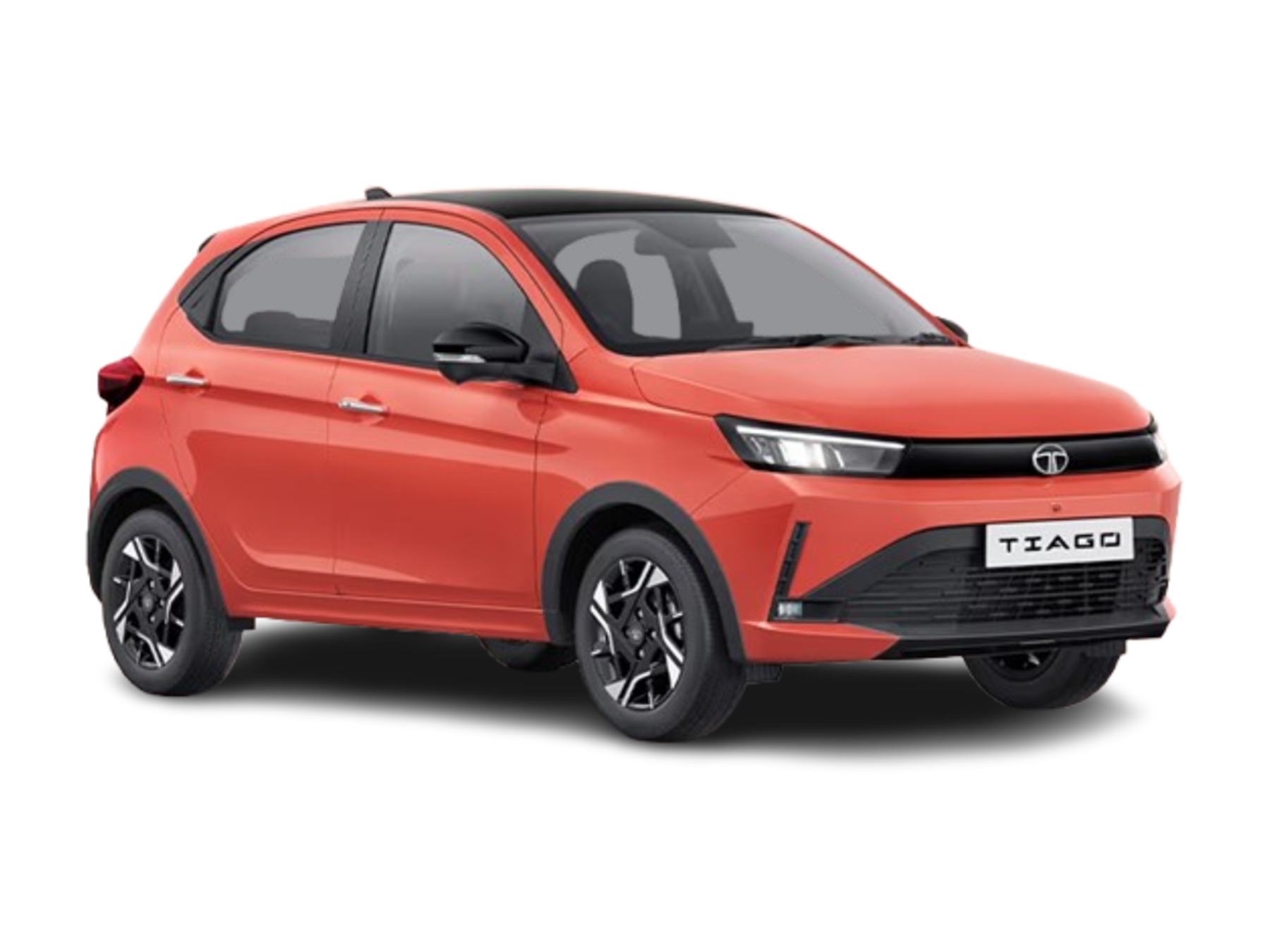
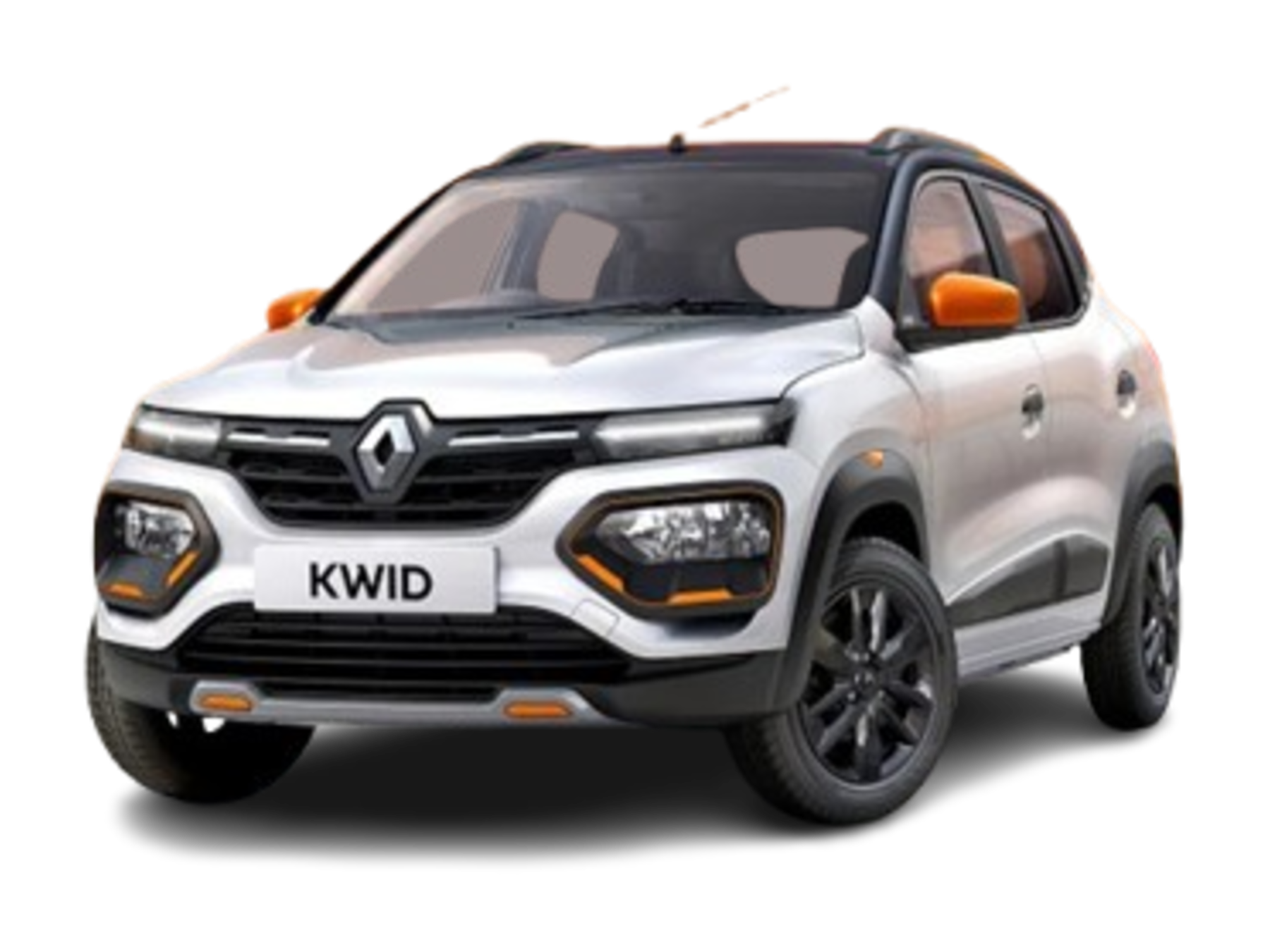

A turbocharged engine uses a turbine, powered by the engine's own exhaust gases, to force extra air into the combustion chamber. This allows a smaller engine to produce significantly more power than its size would normally allow — a practice known as engine downsizing. This is why you'll often see compact 1.0-litre turbo engines producing power similar to a much larger naturally aspirated engine.
Turbo engines have become increasingly popular in India because they offer a sweet spot of strong performance combined with good fuel efficiency, especially during highway cruising. The trade-off is added mechanical complexity — turbochargers require careful maintenance, including using the correct engine oil grade and allowing the engine to cool properly after hard driving. Turbo lag, a slight delay before the boost kicks in, can also be noticeable in stop-go city traffic, though modern turbo engines have minimised this significantly.
- More power from a smaller engine
- Better fuel efficiency potential
- Strong performance for overtaking
- Smaller engine size means lower weight
- Excellent highway performance
- Higher maintenance and repair cost
- Turbo lag in some driving conditions
- More mechanical complexity
- Requires careful servicing schedule


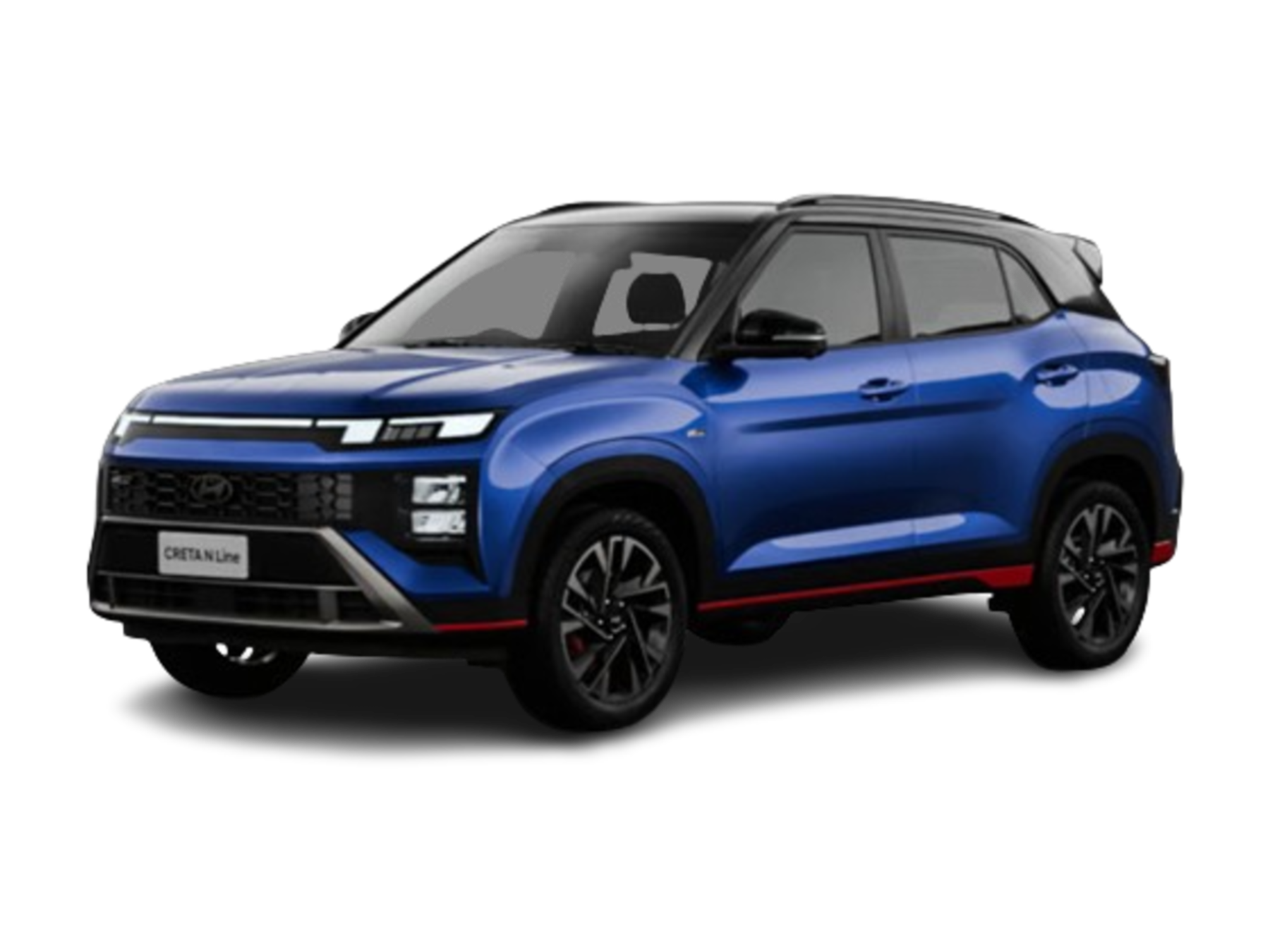
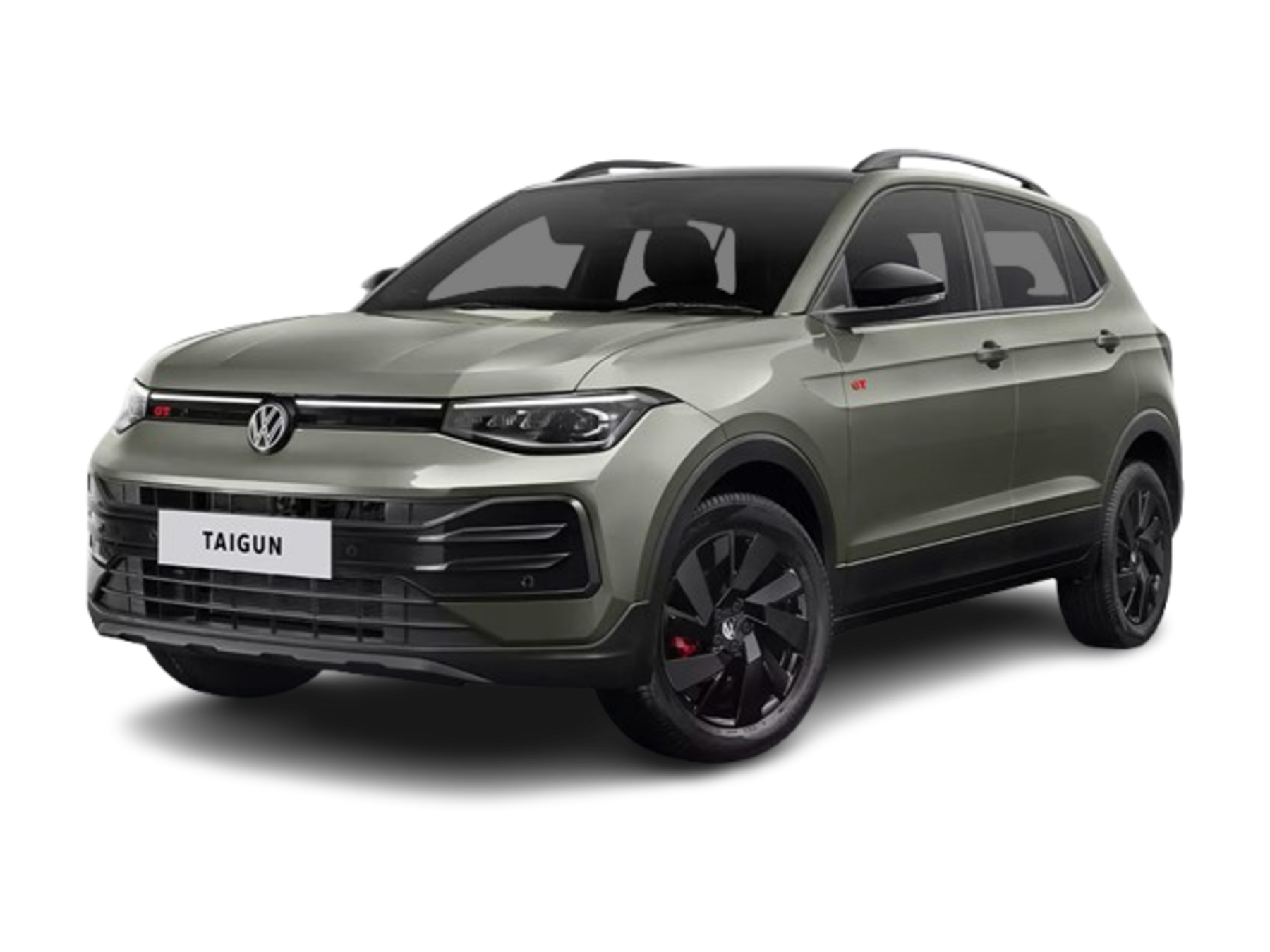
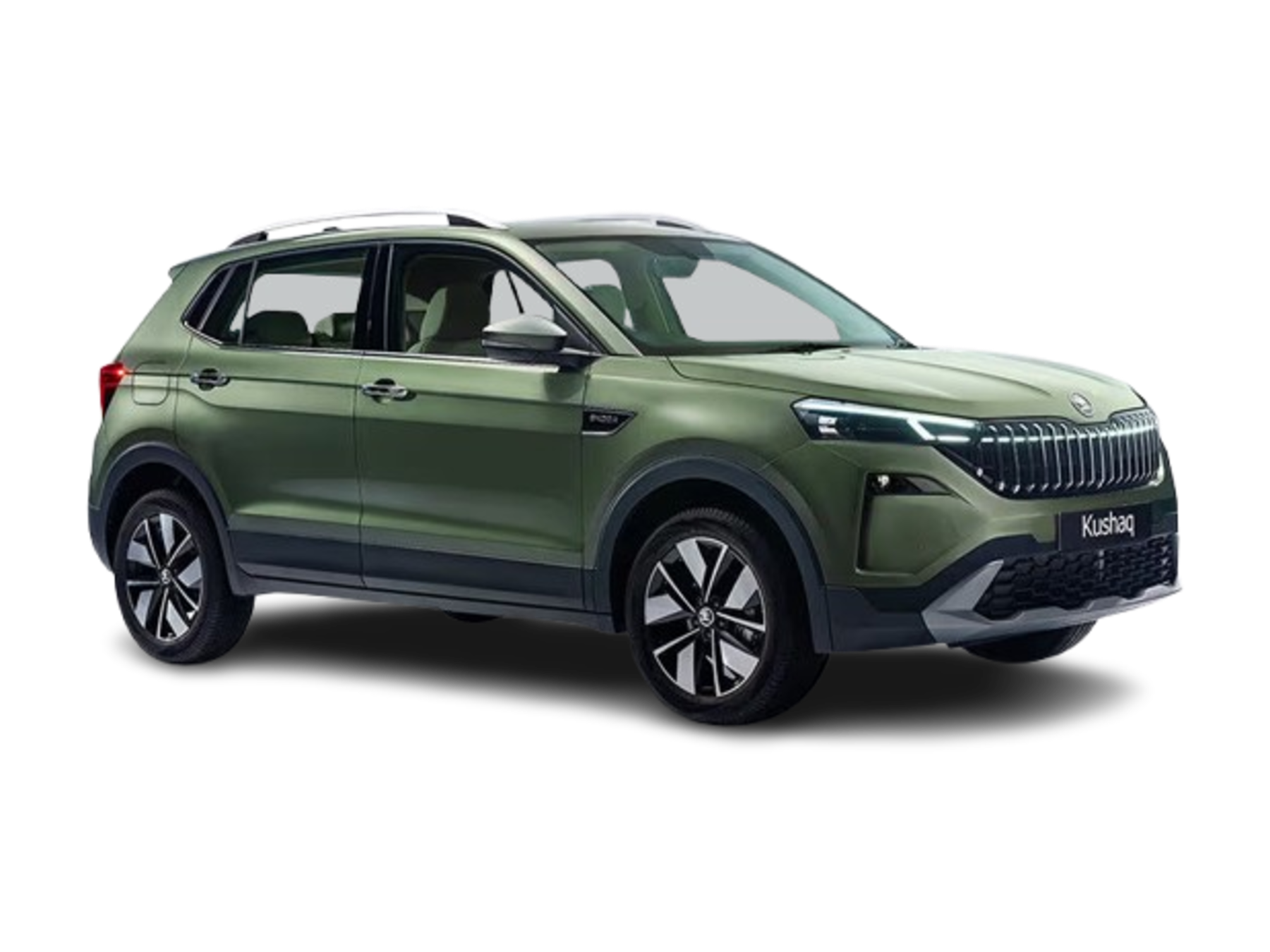
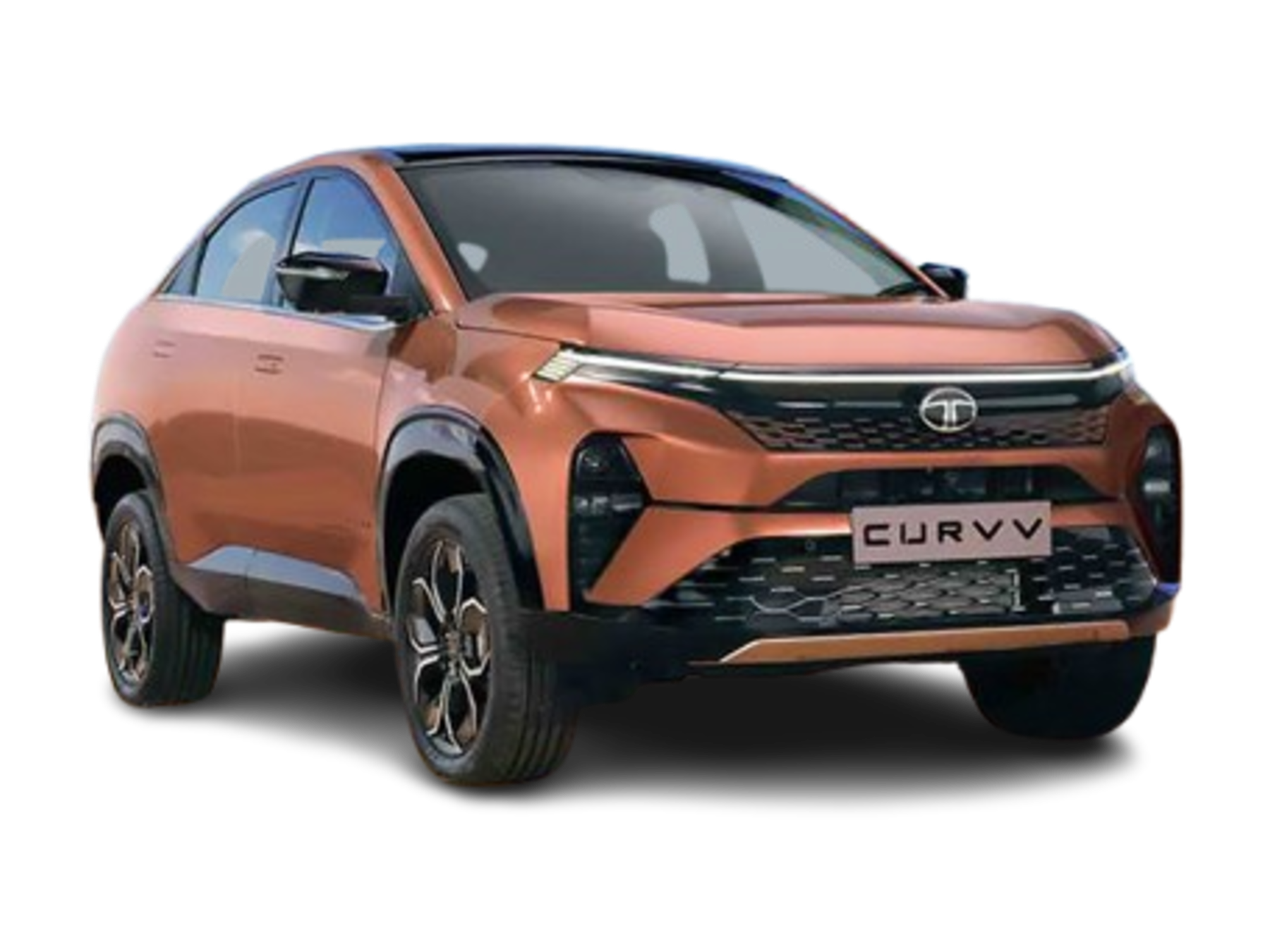
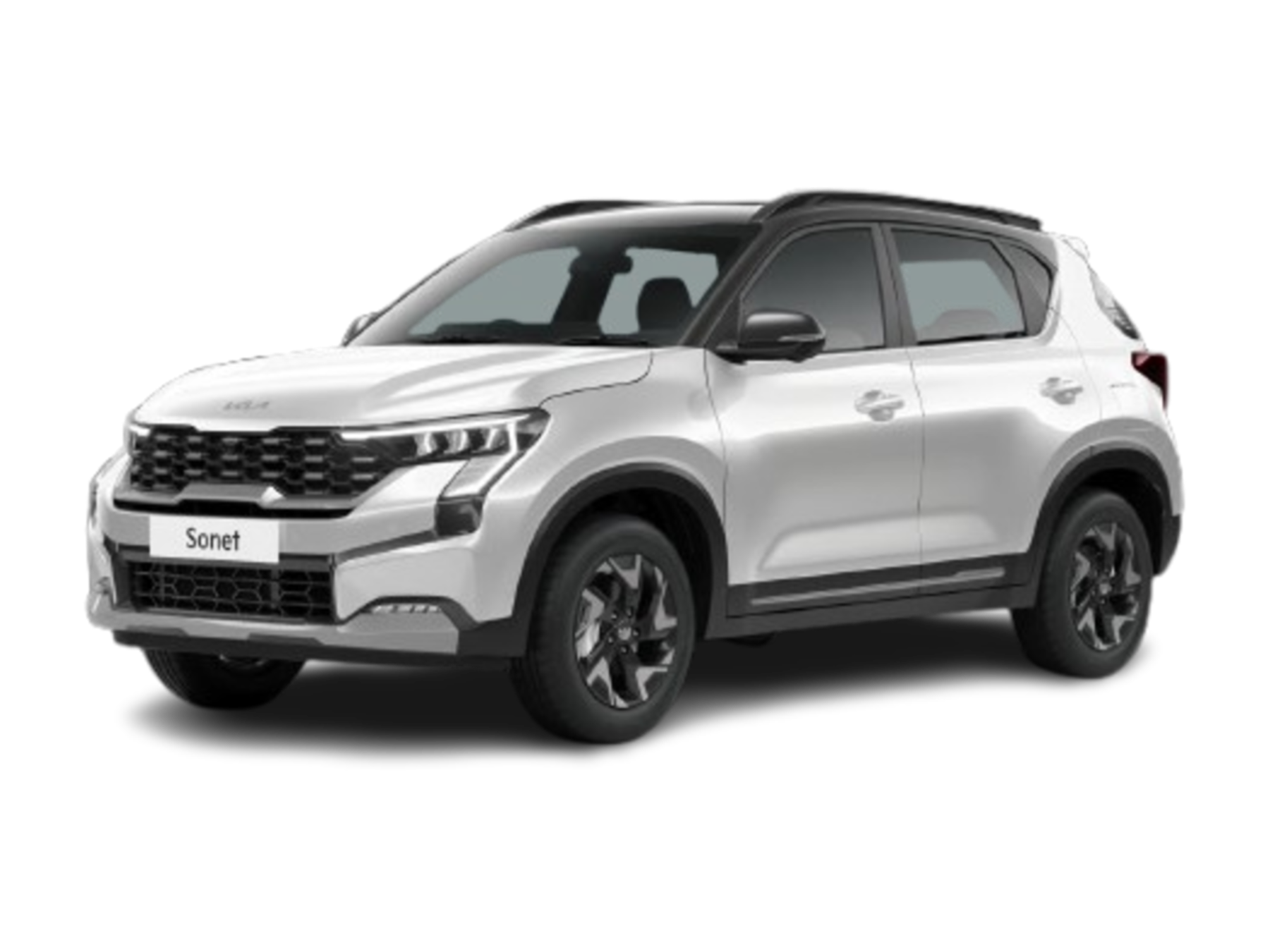


A hybrid engine combines a traditional petrol engine with an electric motor and a small battery pack. The car intelligently switches between, or blends, these two power sources depending on driving conditions — using the electric motor at low speeds and in traffic, and the petrol engine for higher speeds or when extra power is needed. Unlike a full EV, hybrids never need to be plugged in, as the battery charges itself through regenerative braking and the engine.
Hybrids are especially effective in stop-go city traffic, where the electric motor handles most of the work and the petrol engine barely needs to kick in, resulting in outstanding real-world mileage. Strong hybrids, like those from Toyota and Maruti Suzuki, can even drive short distances on electric power alone. The trade-off is a higher upfront purchase price and a more complex powertrain, though long-term fuel savings can offset this over time, especially for high-mileage city drivers.
- Excellent real-world mileage, especially in city traffic
- No need to plug in or charge externally
- Lower emissions than petrol or diesel alone
- Smooth, quiet driving at low speeds
- Reduced fuel costs over time
- Higher purchase price than petrol or turbo equivalents
- More complex system with more components
- Battery replacement cost after many years
- Fewer model options currently in India
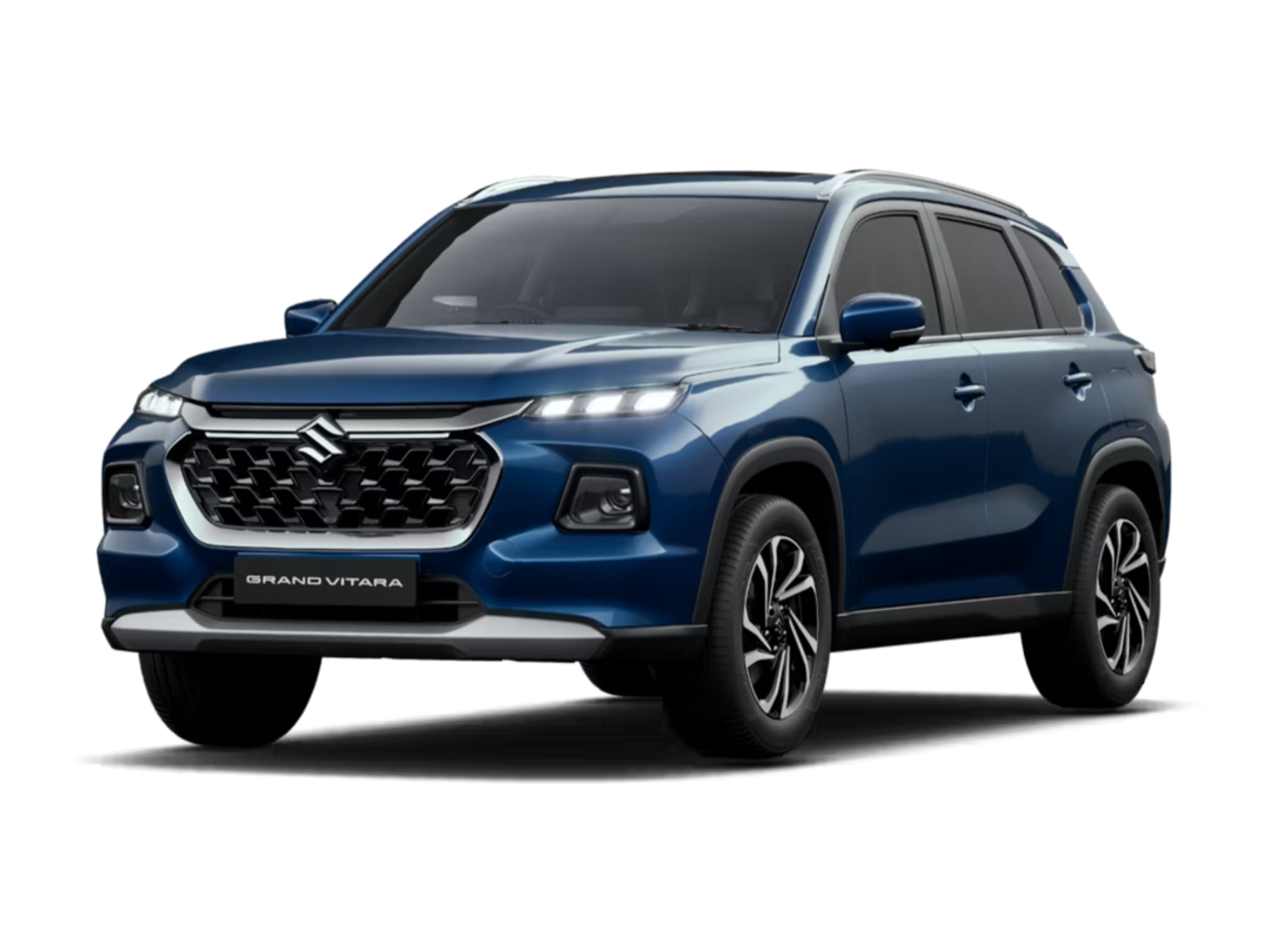

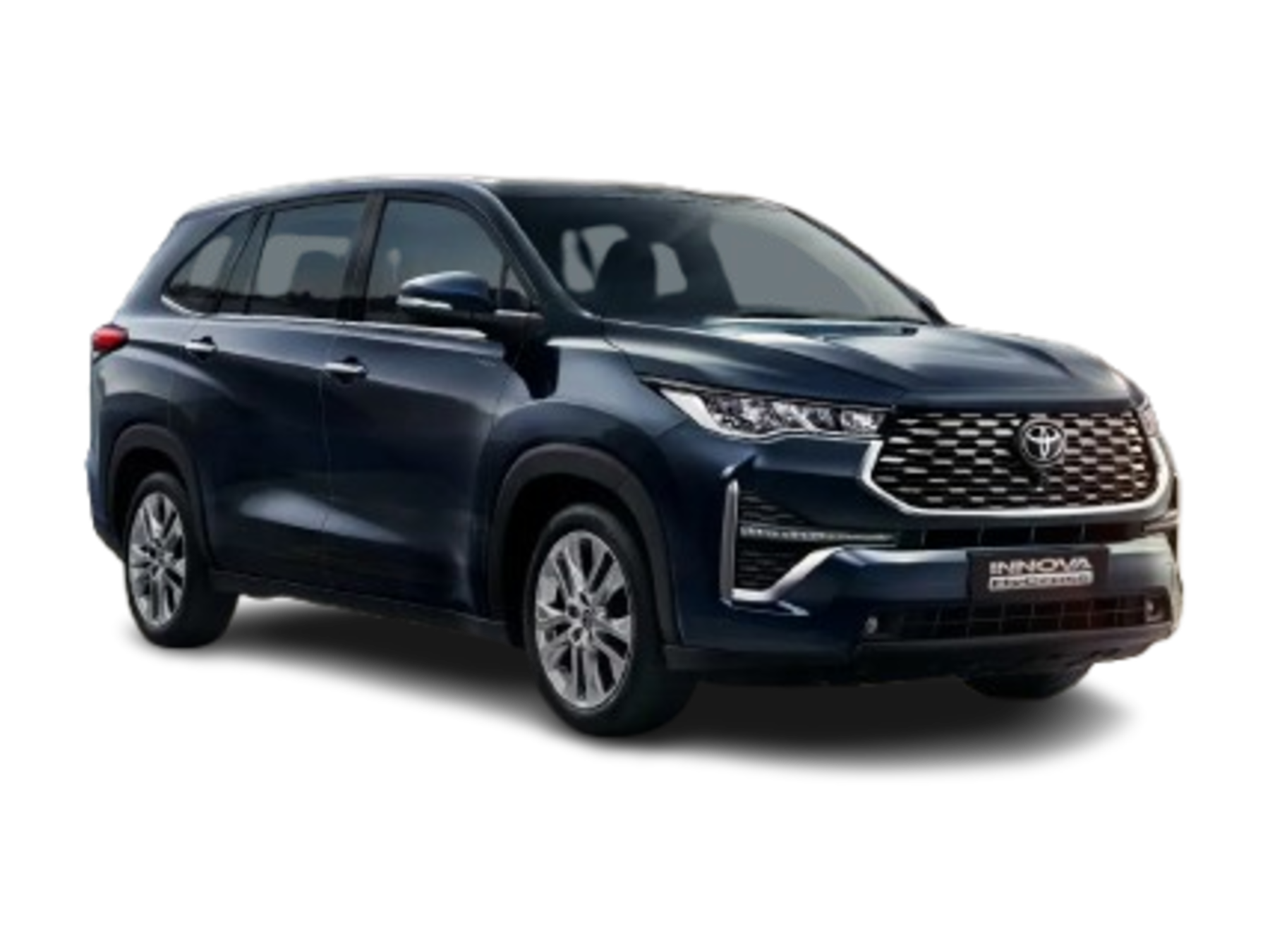
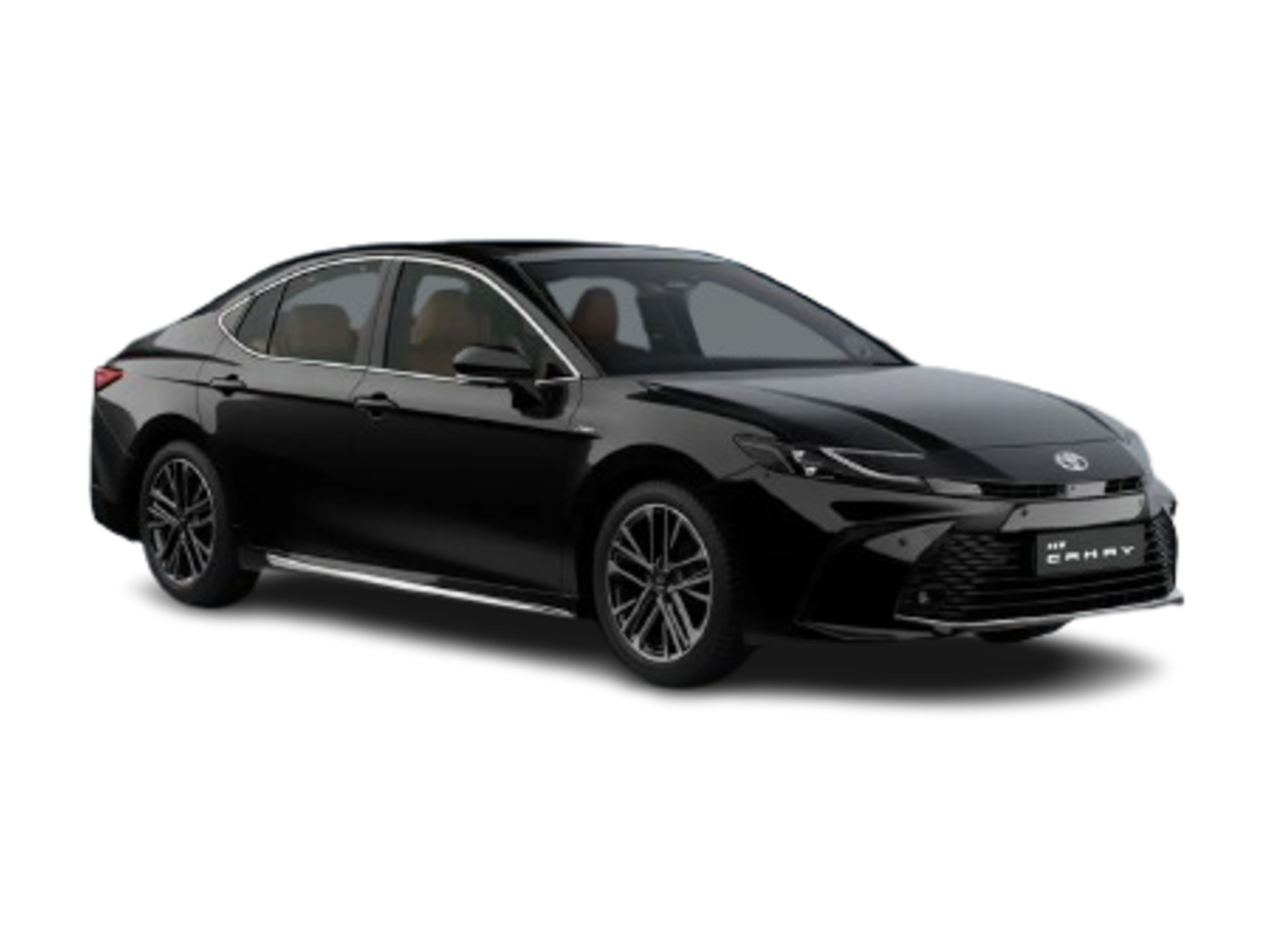
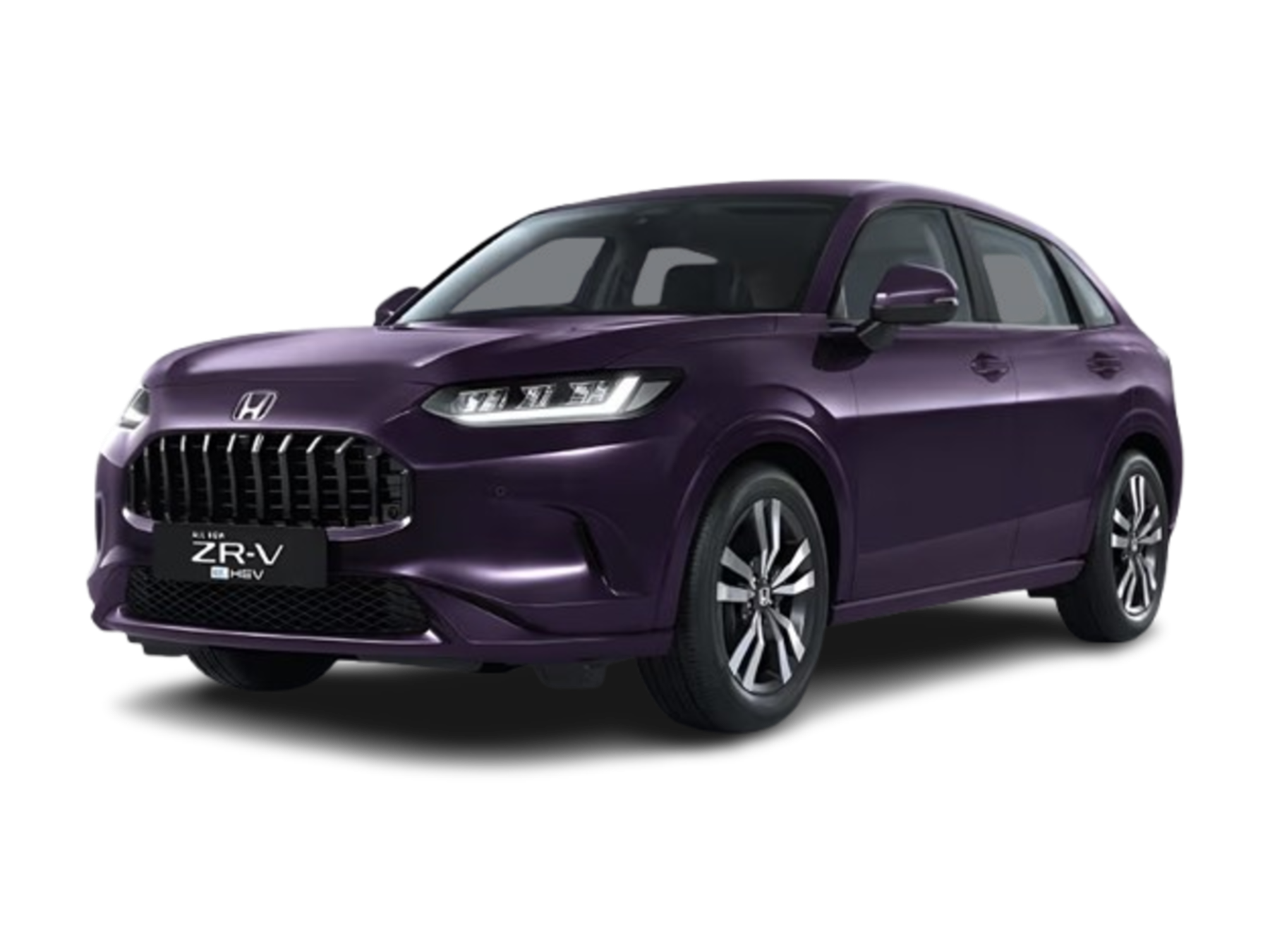
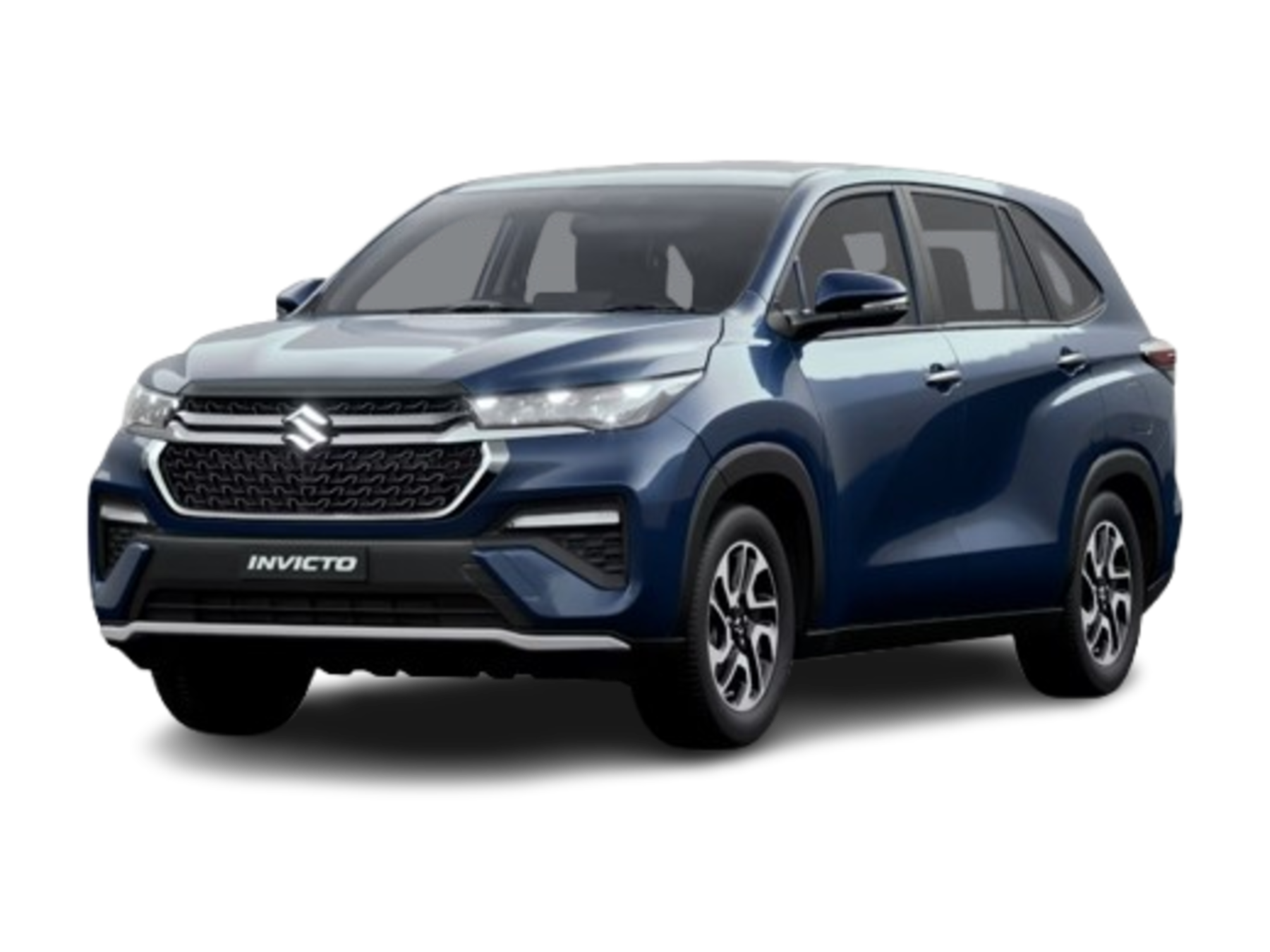

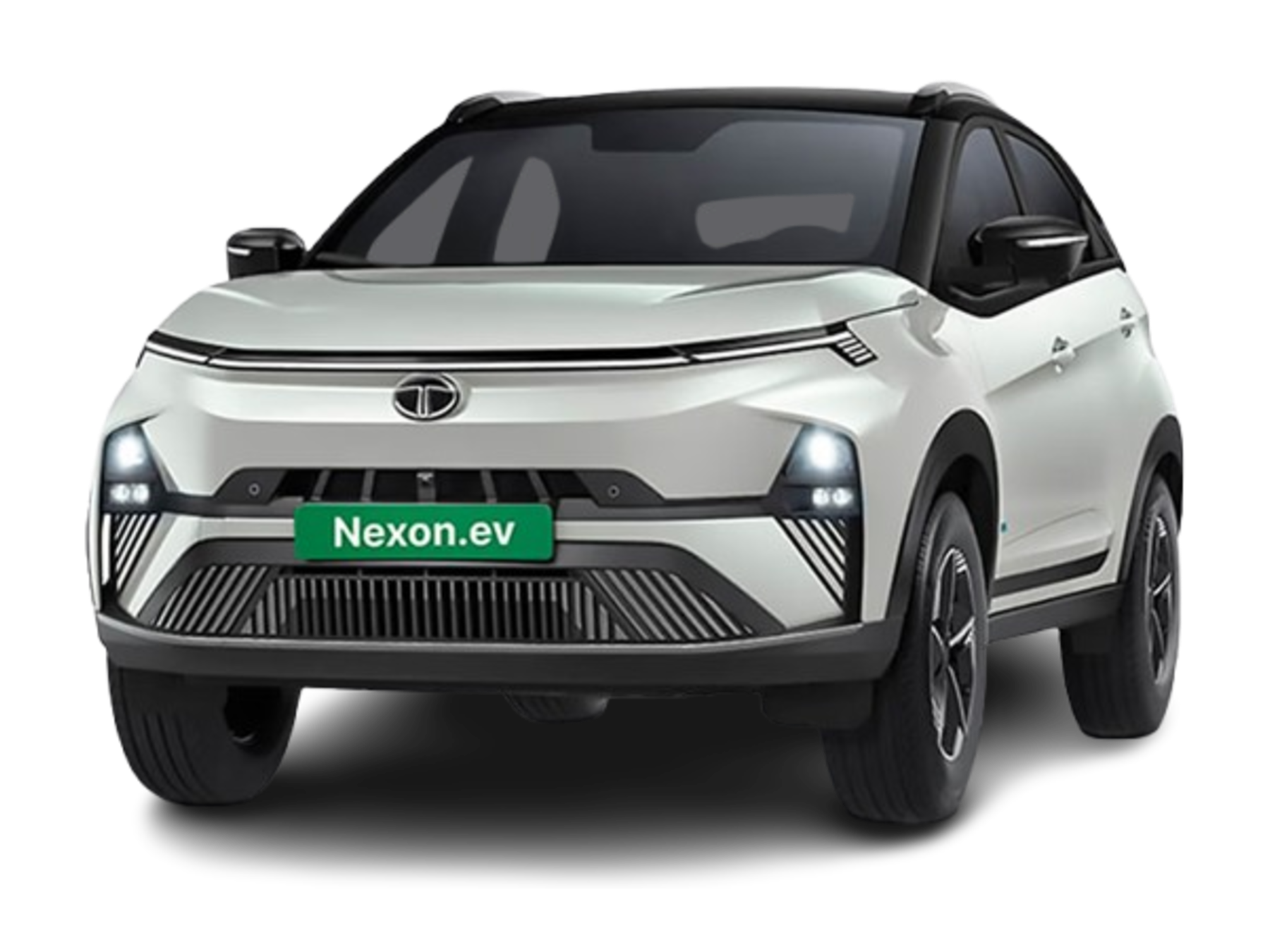
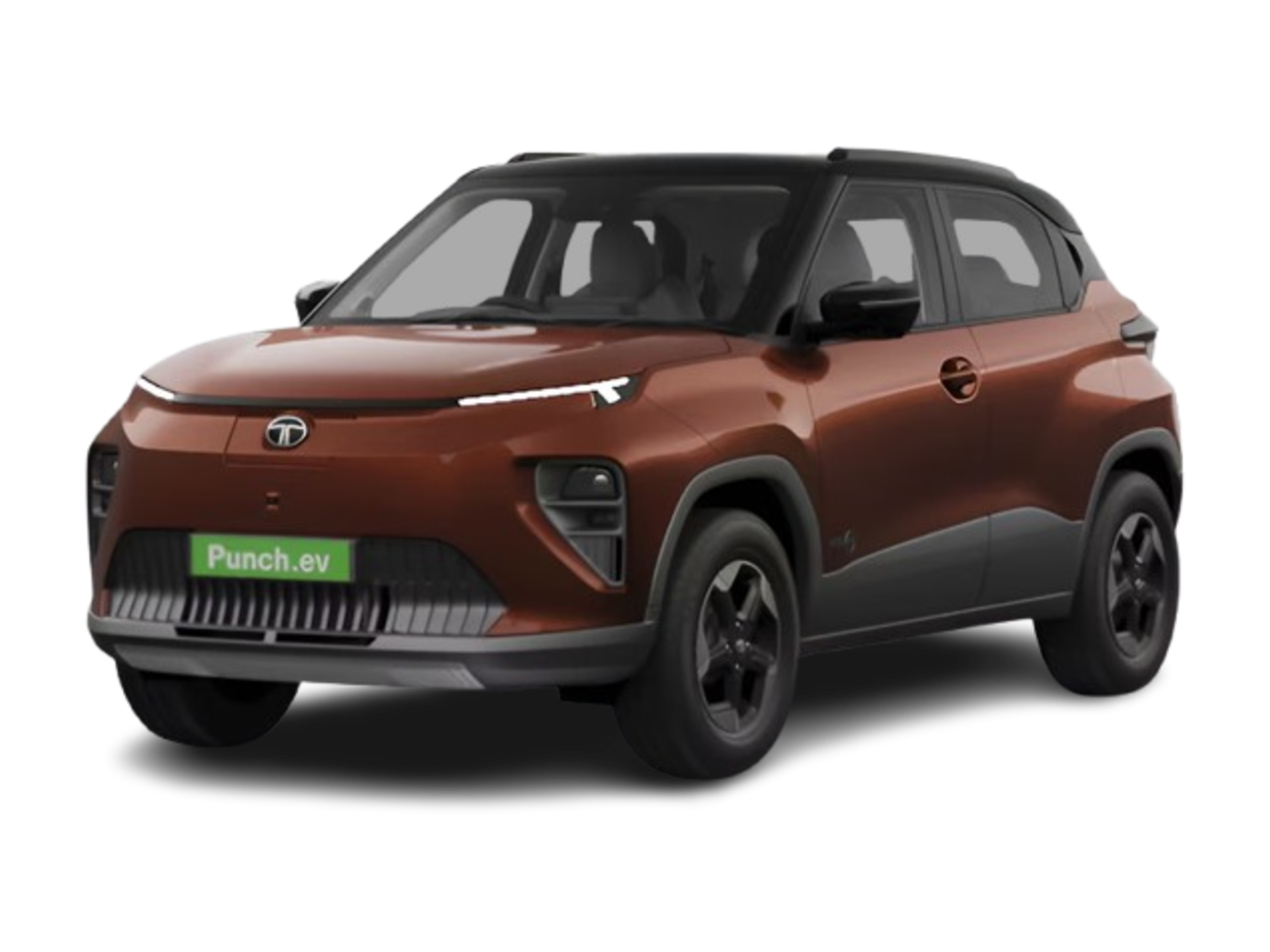
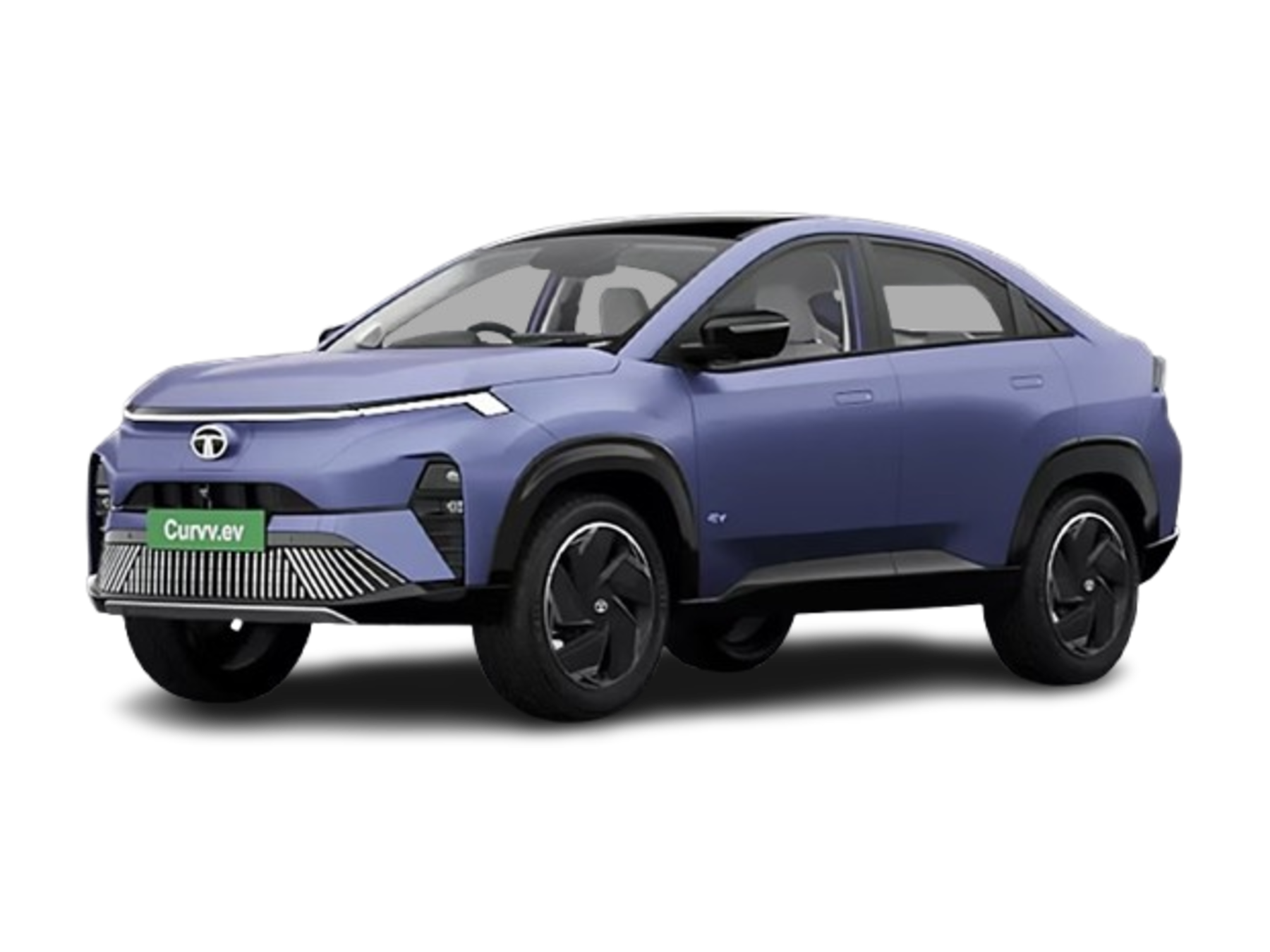
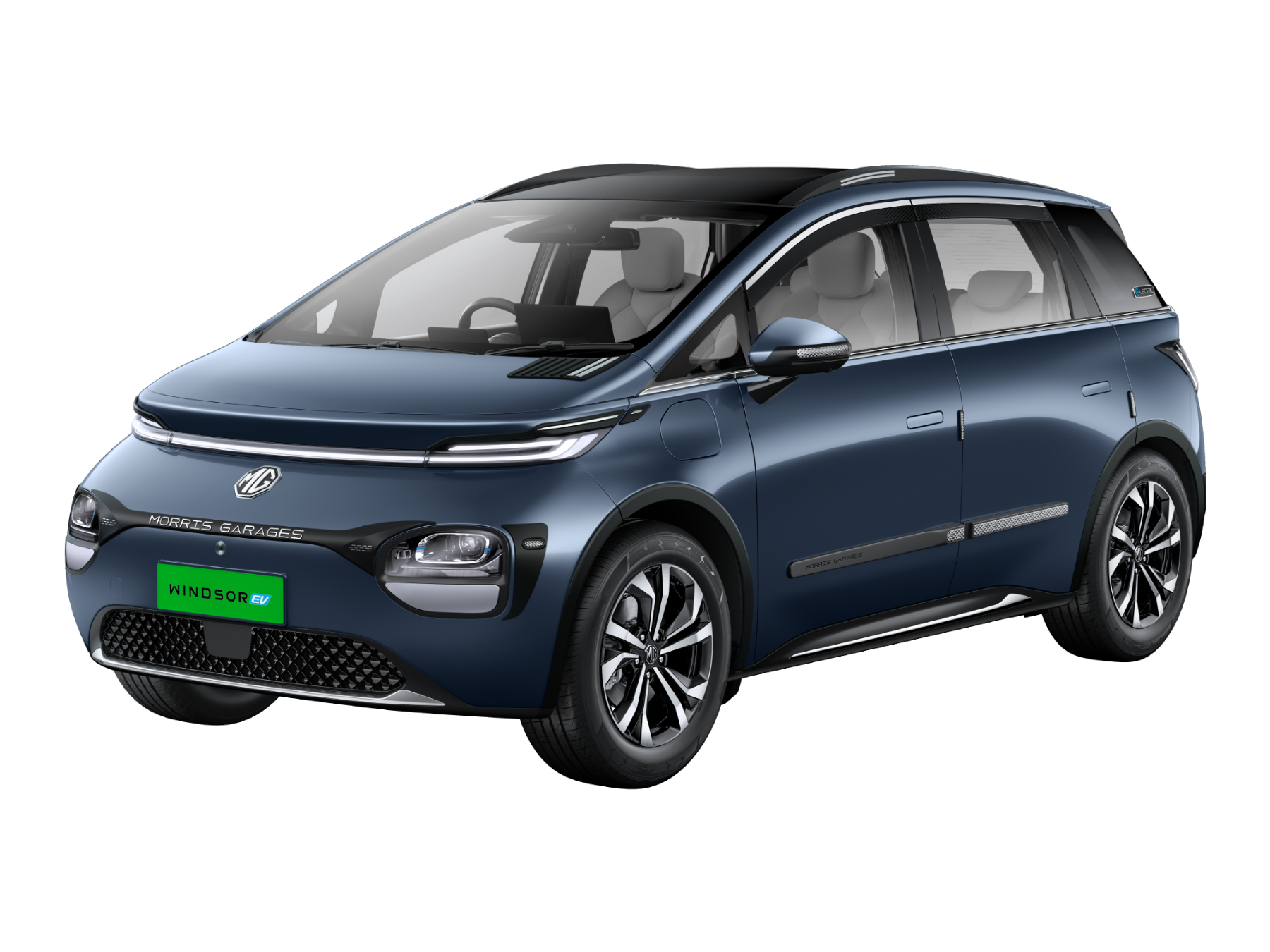
Electric vehicles don't use a traditional engine at all — there's no combustion, no pistons, no exhaust. Instead, an electric motor draws power directly from a battery pack to drive the wheels. This fundamentally different approach means instant torque the moment you press the accelerator, near-silent operation, and a dramatic reduction in moving parts compared to any combustion-based engine, including hybrids.
Because EVs have so few mechanical components — no oil changes, no spark plugs, no exhaust system, no multi-speed gearbox in most cases — long-term maintenance costs are the lowest of any engine type. The trade-off is that EVs depend entirely on charging infrastructure. Daily city driving with home or office charging access makes EV ownership seamless, but long highway trips require planning around charging stations, which are still expanding across India.
- Lowest running cost of any engine type
- Lowest maintenance — far fewer moving parts
- Instant torque, exceptionally smooth acceleration
- Zero tailpipe emissions
- Near-silent driving experience
- Government incentives and tax benefits
- Highest purchase price of all engine types
- Charging infrastructure still expanding
- Range anxiety on long highway trips
- Battery replacement cost is high long-term
- Charging takes longer than refuelling

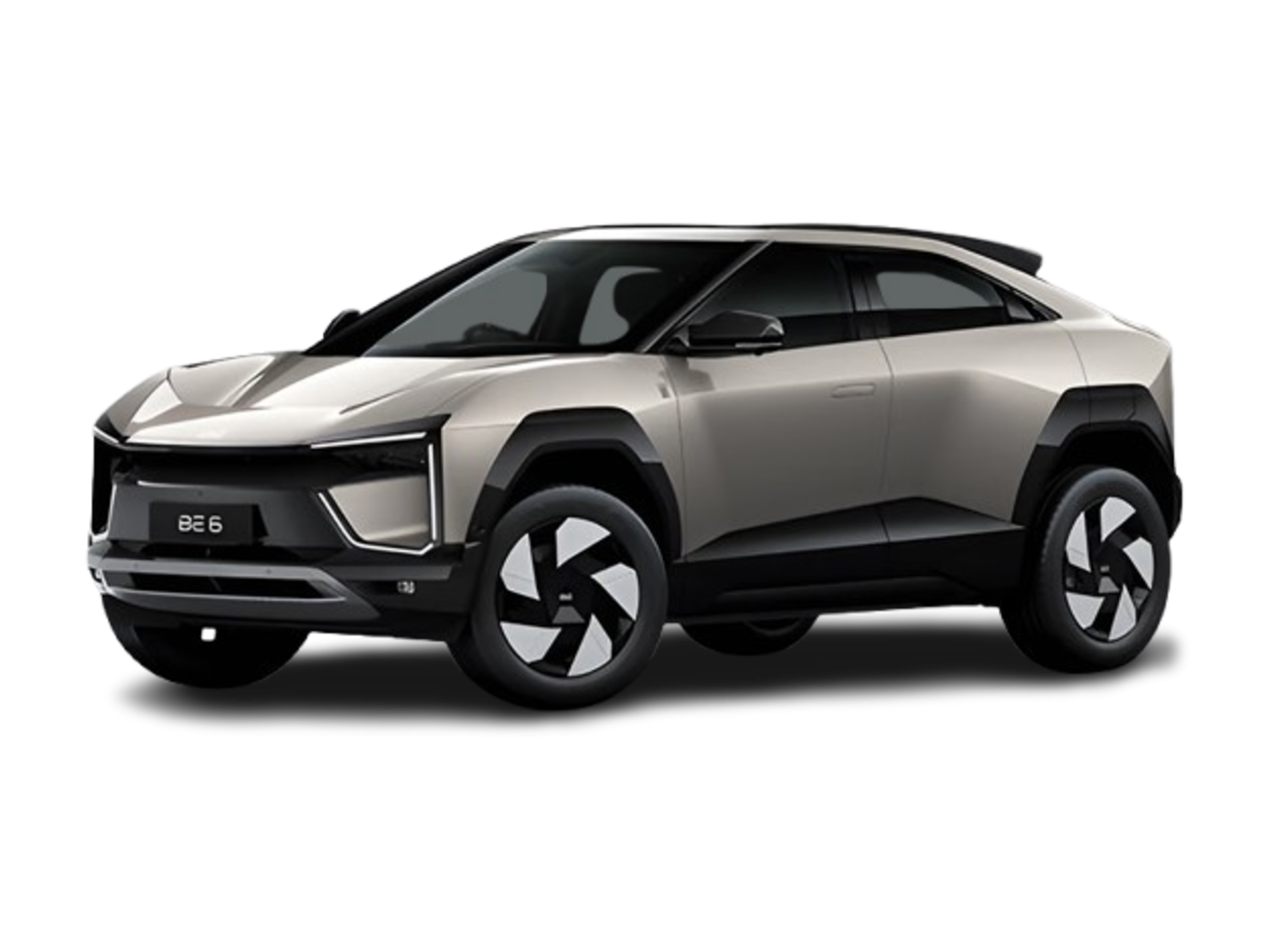
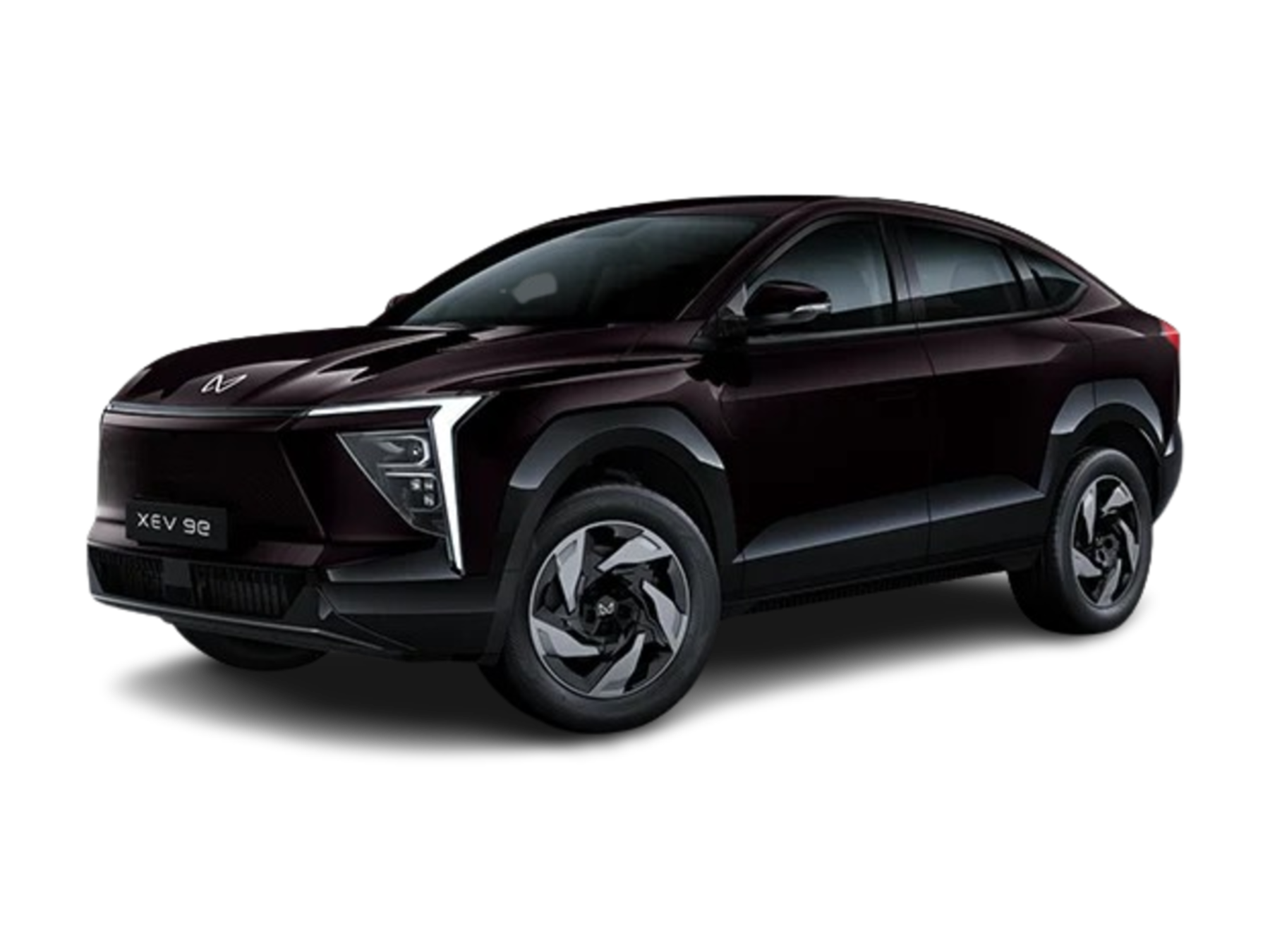
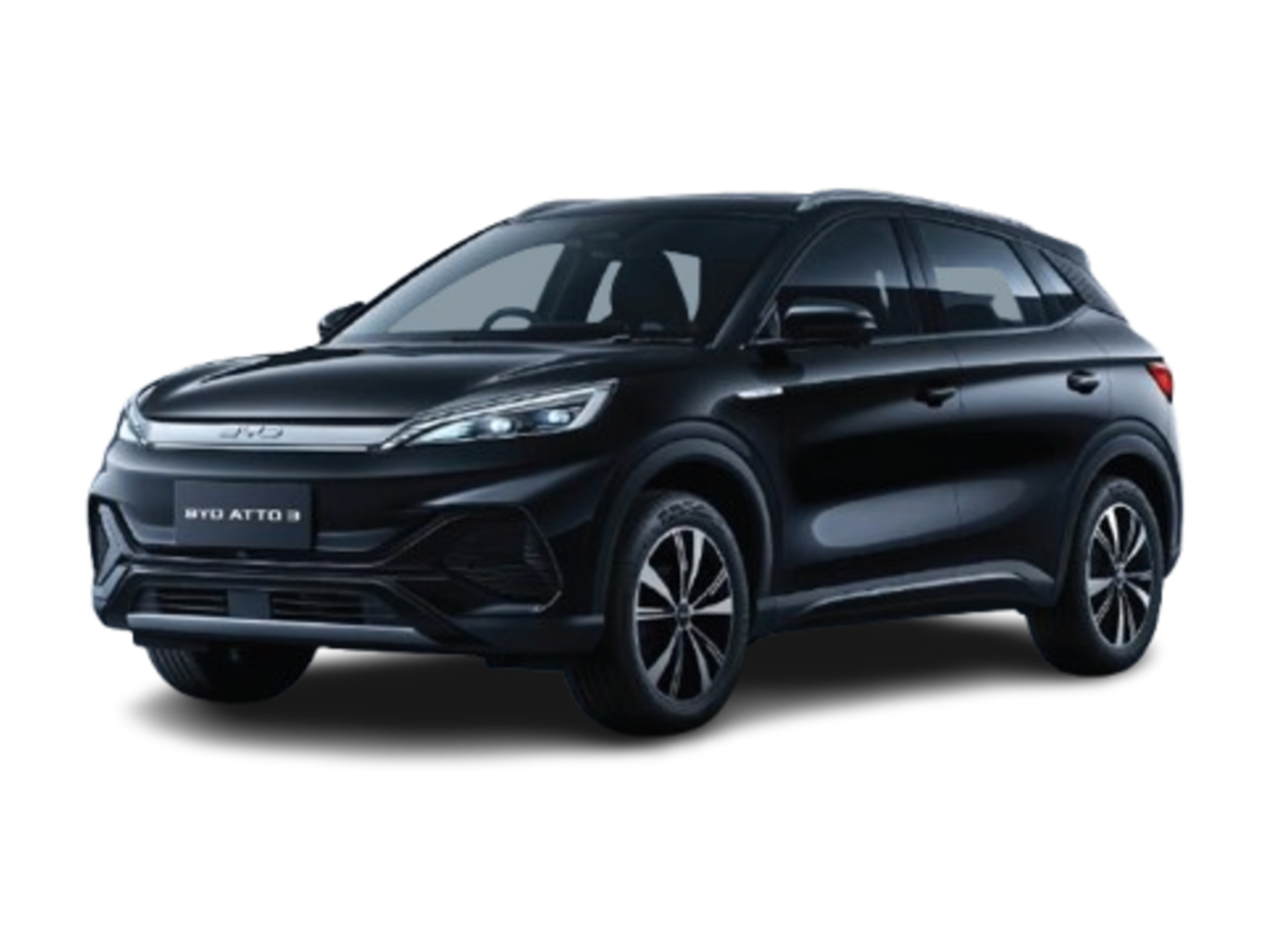
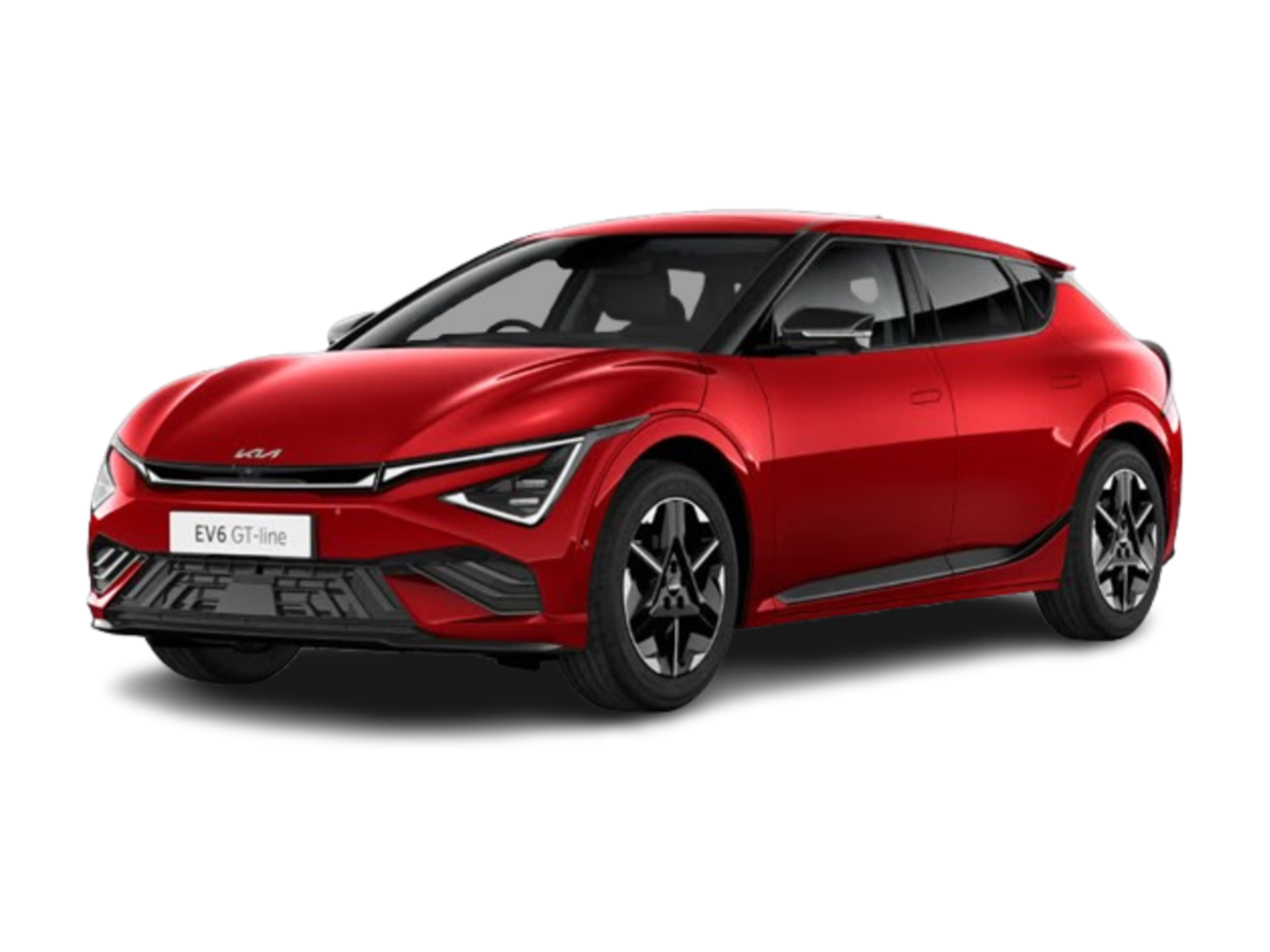
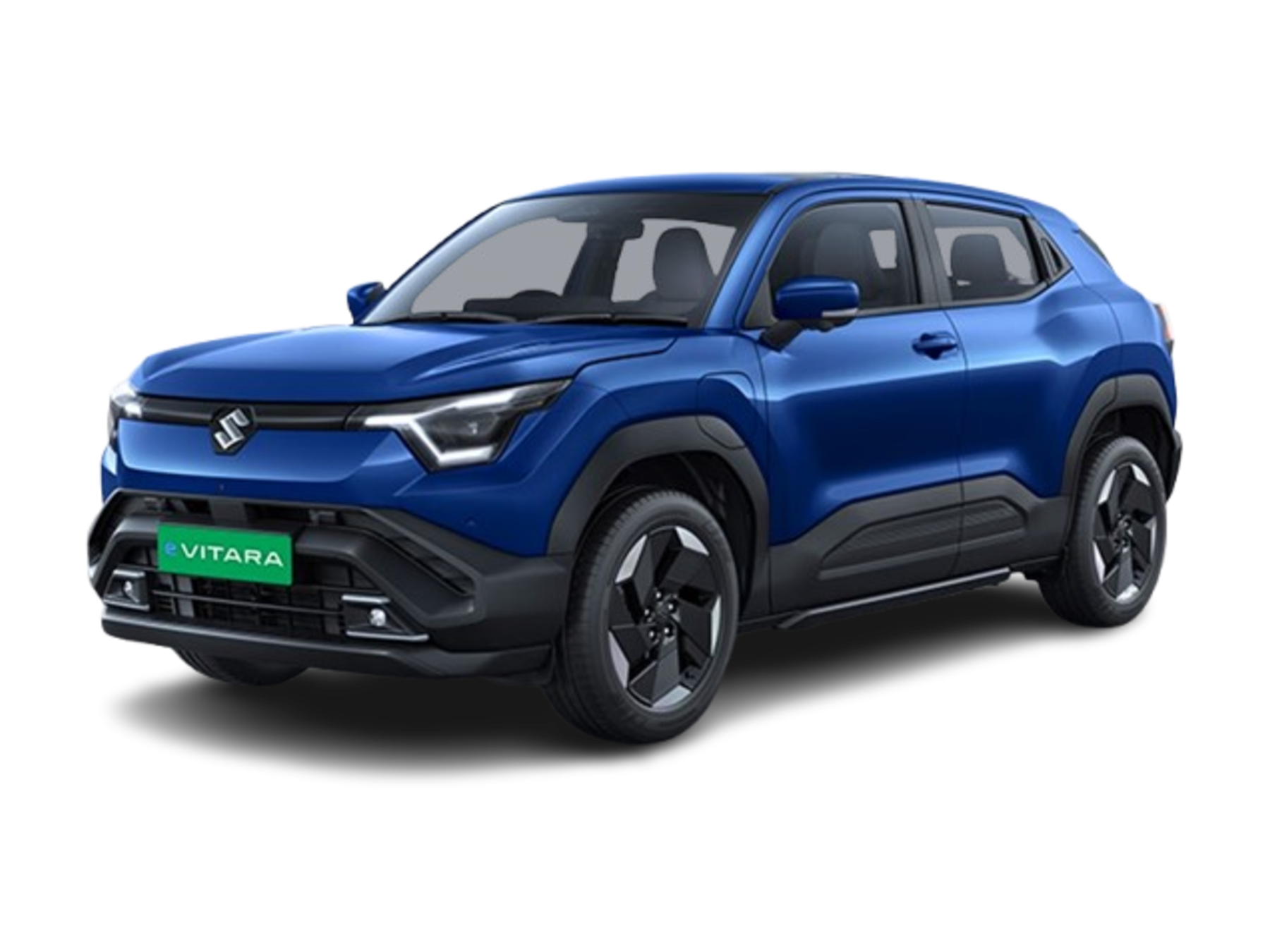
Quick Comparison — NA vs Turbo vs Hybrid vs EV
| Aspect | Naturally Aspirated | Turbocharged | Hybrid | Electric (EV) |
|---|---|---|---|---|
| Power Delivery | Smooth & Predictable | Strong but can have lag | Smooth, instant at low speed | Instant, always |
| Purchase Price | Lowest | Medium | Higher | Highest |
| Running Cost | High | Medium-High | Low | Lowest |
| Maintenance Cost | Lower | Higher | Medium | Lowest |
| Mileage / Efficiency | Good | Better (with engine downsizing) | Excellent, especially in city | Best (no fuel needed) |
| Long-Term Reliability | Excellent | Good, needs careful servicing | Good, complex system | Good, fewer moving parts |
| City Traffic Driving | Smooth, no lag | Slight lag possible | Excellent, runs on electric power | Excellent, silent and instant |
| Highway / Long Trips | Good | Excellent | Good | Needs charging stops |
| Charging Needed | No | No | No (self-charging) | Yes (plug-in required) |
Frequently Asked Questions
Now Find Your Perfect Car on SahiCar.in
Our smart quiz helps you find the best new cars for you in India — free, unbiased and instant.
Take the Free Car Quiz →